Caregivers need greater support to help assist veterans, watchdog finds
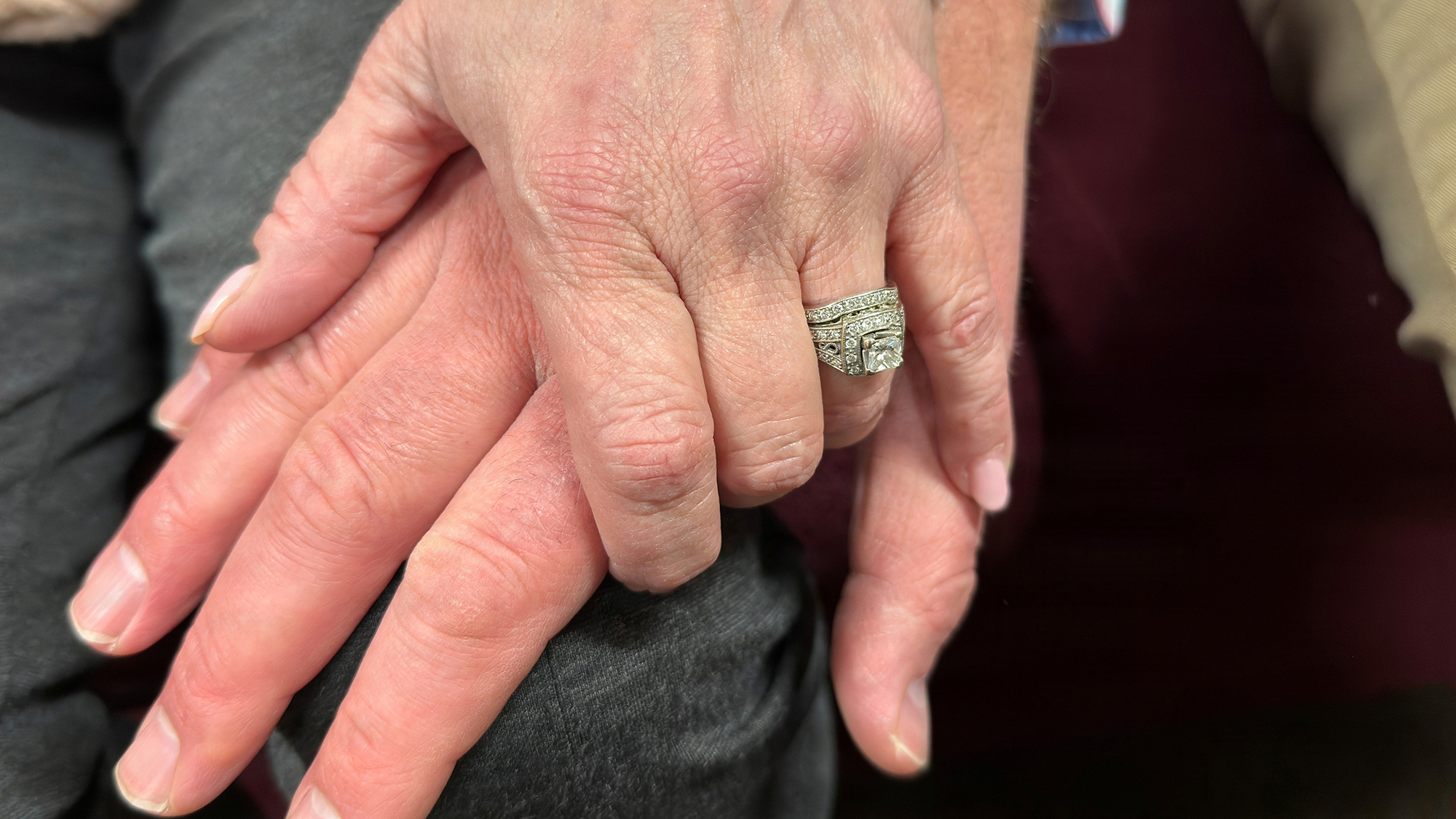
Caregivers of seriously injured veterans often don’t know about the mental health support available to them through the Department of Veterans Affairs, which can put additional strain on them and those they care for, according to a recent federal watchdog report.
The report by the Government Accountability Office, released on Thursday, looked at the Department of Veterans Affairs Caregiver Support Program and found that a large number of people who provide care for veterans — often the spouses or partners of veterans themselves — do it around the clock and struggle with mental health challenges. Several caregivers spoke to the GAO and said that they deal with stress, isolation, difficulty sleeping and face other challenges stemming from their work.
These are caretakers helping veterans dealing with, as the GAO put it, “serious injuries or other impairments.” The overwhelming majority of caregivers are women, and more than two-thirds are the spouses or significant others of veterans.
The report found that caregivers did not know about mental health support that was available to them, or wished that they had learned about it sooner.
Top Stories This Week
Marines on way to Middle East seen using rifles with anti-drone smart scope
How a Navy photographer snapped an iconic Artemis II astronaut photo
Specialist and sergeant win Best Ranger competition for first time in nearly 40 years
The Caregiver Support Program has grown significantly since 2020, with roughly 98,000 caregivers now participating. The VA has tried to share information about the program through resource fairs and community organizations, but caregivers and VA medical center staff reported that caretakers often learned about it informally through friends and family, and not through direct action.
Under the support program, which has both a general and comprehensive component, the VA offers services, such as psychotherapy, to caregivers. Between the 2021 and 2025 fiscal years, the number of caregivers who had at least one mental health treatment through the VA tripled. Alongside its own services, the program offers recommendations to other support programs. In the 2025 fiscal year, roughly a third of caregivers participating in the program’s comprehensive component had a diagnosis for an anxiety-related disorder, and more than a quarter had a depression-related diagnosis. The third-most common diagnosis was post-traumatic stress disorder.
“Given the toll that daily caregiving can take on caregivers’ mental health, ensuring [the Veterans Health Administration] is effectively spreading awareness about the program and the mental health support it offers is essential to ensuring that interested caregivers can participate in the program and receive support,” the authors of the GAO report wrote.
The GAO found that the VA does have four goals for assessing the program’s outreach, including growth of enrollees, but other efforts, such as advertising the program and services offered to caregivers, don’t have clear quantitative targets or time frames.
The accountability agency recommended that the VA take steps to get more quantitative measurements of how the Caregiver Support Program is assisting veteran caretakers, and that the department set clearer goals for how it is helping caretakers’ mental health.