Hegseth says flu vaccines are now optional across the active duty and reserve force
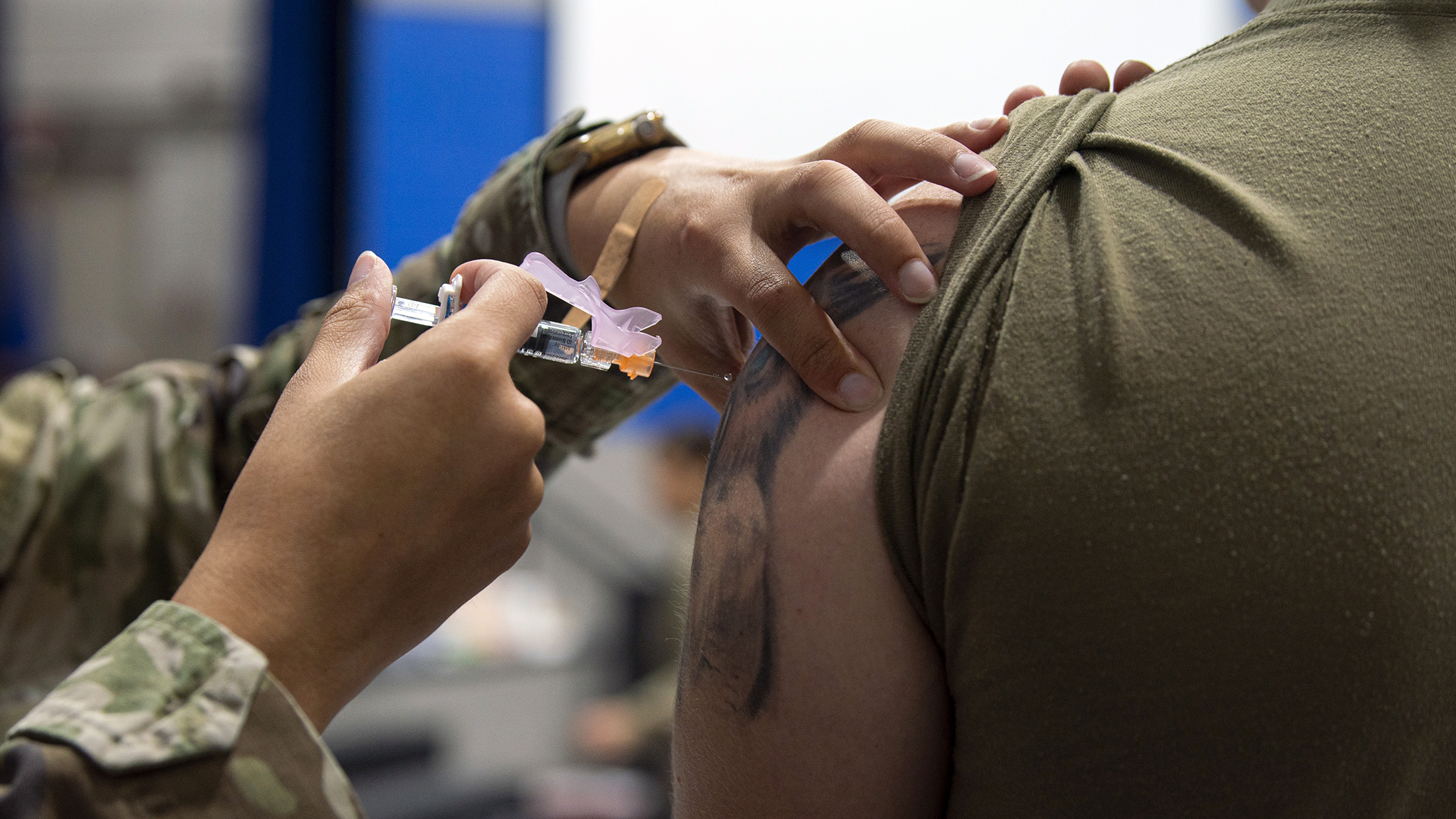
Flu vaccines are no longer mandatory for service members, Defense Secretary Pete Hegseth said Tuesday morning, framing the new policy as part of his bid to “discard any absurd, overreaching mandates that only weaken our war fighting capabilities.”
The new policy curbs a seven-decade mandate that has, since World War II, sought to limit the spread of influenza among troops who often live in tight quarters with limited hygiene. It also builds on Hegseth’s tenure overseeing a Pentagon that has often sought to redress grievances among some service members over previous vaccination mandates, particularly with regard to COVID-19.
The new policy was laid out in a memo for senior Pentagon leadership and the combatant commands, dated to Monday, that was widely shared across popular military forums and social media accounts hours before Hegseth announced the new policy on X.
The memo says the annual influenza vaccine is voluntary for all active duty and reserve service members, as well as civilian personnel. The services can submit requests for exceptions to the new policy over the next 15 days to Under Secretary of Defense for Personnel and Readiness Anthony Tata.
“The notion that a flu vaccine must be mandatory for every service member, everywhere, in every circumstance, at all times, is just overly broad and not rational,” Hegseth said in a video address. “Our new policy is simple: If you — an American warrior entrusted to defend this nation — believe that the flu vaccine is in your best interest, then you are free to take it. You should. But we will not force you because your body, your faith and your convictions are not negotiable.”
Pentagon spokesman Joshua Wick declined to comment further about the policy change.
The new policy would update DoD Instruction 6205.02, which covers the Department of Defense Immunization Program.
Top Stories This Week
Marines on way to Middle East seen using rifles with anti-drone smart scope
How a Navy photographer snapped an iconic Artemis II astronaut photo
Navy moves to emphasize technical job skills in enlisted promotions
The instruction previously required active component troops to receive the annual seasonal influenza immunization or obtain a medical or administrative exemption. Reserve component troops activated for 30 consecutive days or more were also required to receive the seasonal influenza immunization or obtain an exemption. Defense Department civilian employees were highly encouraged to receive the annual seasonal influenza vaccine, the instruction stated.
The DoD last updated its Immunization Program policy in June 2025 to allow for more exemptions, a modification that came as the Trump administration proposed other controversial adjustments to vaccination guidance across the government. At the time, Deputy Secretary of Defense Steve Feinberg wrote in a memo that the exemptions would “conserve” department resources “by requiring seasonal influenza vaccination for service members only when doing so most directly contributes to readiness.”
The armed forces have dealt with influenza outbreaks in the past. During World War I, the pandemic of 1918 ripped through cramped naval vessels and sprawling troop camps, killing more than 26,000 service members.
The U.S. Army Surgeon General later helped in the research that developed the first influenza vaccines in the lead-up to World War II. The first influenza vaccine mandate for troops arrived in 1945, just as the war ended. The mandate was withdrawn in 1949 amid concerns over its efficacy before being reinstated in the early 1950s.
In announcing the policy to make the influenza vaccine optional, Hegseth likened the change to other efforts from his department to preserve service members’ “medical autonomy” by reinstating personnel who were separated for refusing the COVID-19 vaccine. More than 8,400 troops were discharged for refusing the shot after it became mandatory in August 2021 and quickly emerged as a cultural flashpoint in the military and civilian world.
UPDATE: 4.21.2026; This article was updated after publication with additional information about the history of the Defense Department’s policies on the influenza vaccine.