Right to repair: Why the US military can’t fix much of its own equipment
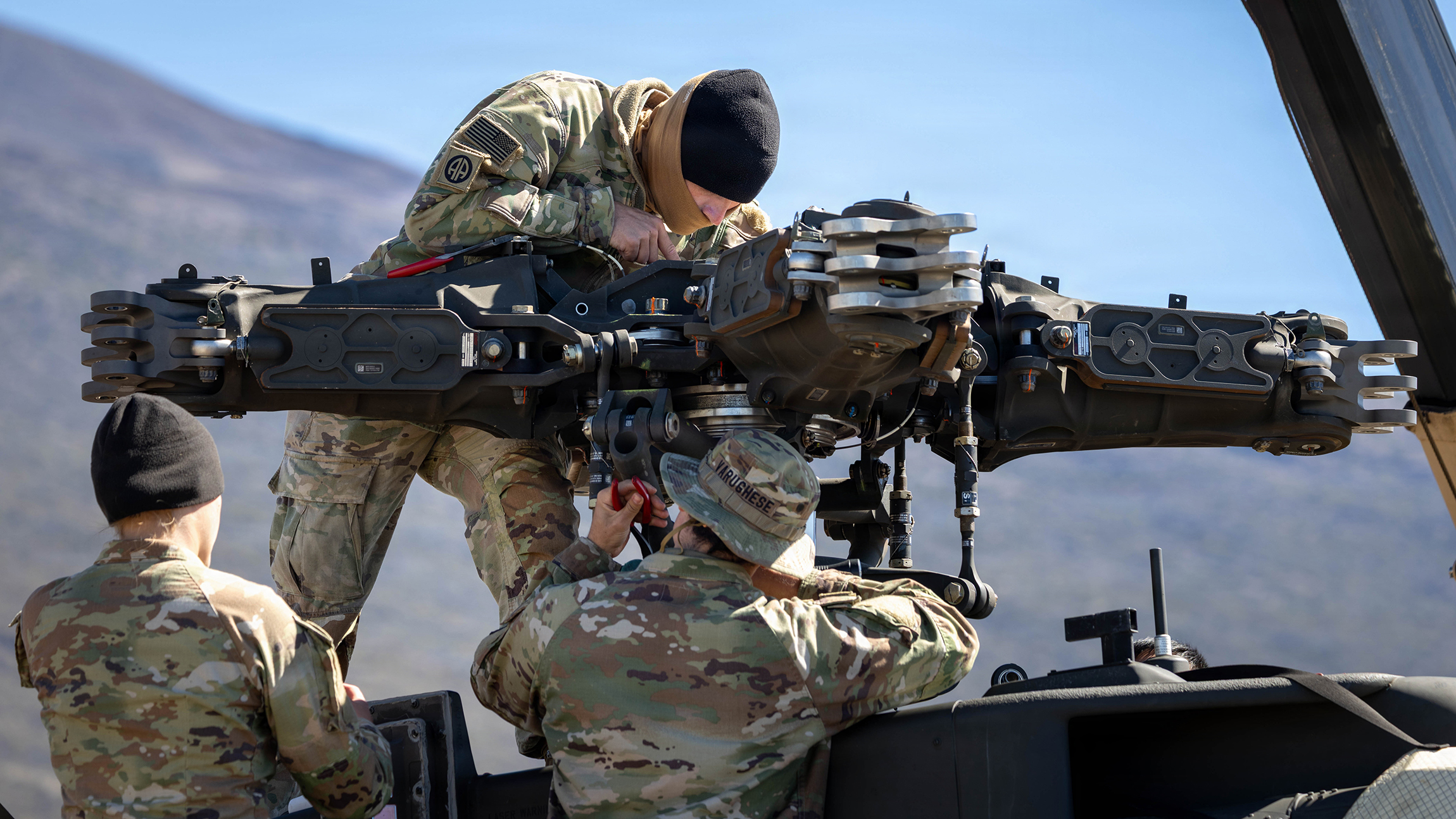
The U.S. military often can’t fix parts of jets, ships, infantry fighting vehicles, and other equipment because they are not allowed to under the contracts the Pentagon signs with manufacturers. Instead, only the manufacturer can fix the equipment, which is a problem in a combat zone or out on a far-flung training exercise.
That means fighter jets worth tens of millions of taxpayer dollars wind up grounded for months on a deployment. The Navy pays millions to fly contractors out to sea and make repairs that sailors aboard those very ships could make themselves. “Right to repair” is the catch-all term for the effort to give service members more authority to fix the equipment they rely on, but a bipartisan effort in Congress to do that fell short last year.
Pay to play?
Technical data is at the heart of “right to repair.” Troops use technical data to diagnose and fix a broken part, or to make a replacement using a 3-D printer, Computer Numerical Control (CNC) machine, or similar device. But military equipment manufacturers tend to guard that data, saying it falls under the intellectual property they invested in developing.
Up until the early 1990s, the Pentagon routinely bought complete technical data packages that let troops and military civilians repair equipment or bid the work out to other contractors at competitive prices.
Top Stories This Week
Pentagon looks for vendors to supply pre-made bunkers within 30 days
Army approves combat patches for soldiers in Iran war zone
By Patty Nieberg, Nicholas Slayton
Army ‘pauses’ plan to close more than 20 base museums
That began to change during President Bill Clinton’s administration, which encouraged the defense industry to consolidate, shrinking from 51 aerospace and defense prime contractors in the early 1990s to just five today.
Analysts say fewer companies mean less competition, so the Pentagon has less bargaining power over things like intellectual property. Government watchdogs say the Pentagon also struggles to forecast and negotiate its intellectual property needs, which leaves troops short-handed when equipment breaks.
‘It felt ridiculous’
The F-35 is one example of the ripple effects of these policies. Air Force, Navy, and Marine Corps maintainers said the lack of technical data prevents them from making routine repairs to many F-35 components, according to a 2023 Government Accountability Office report.
Maintainers “had grown frustrated at not being able to make simple repairs to aircraft components that they have historically made on other fighter aircraft fleets,” the watchdog wrote. “F-35 maintainers at one location told us that they have access to so little technical information on the aircraft that they do not fully understand the aircraft or how to troubleshoot common problems. As a result, the maintainers frequently rely on contractor personnel for assistance in maintenance tasks they would be otherwise qualified to complete.”
Another example is the Littoral Combat Ship. According to a 2023 ProPublica investigation, the Navy had to delay missions for weeks and spend millions of dollars to send contractors to sea to make simple fixes like changing fuses on a crane.
“I would hesitate to say we ever did a mission,” one naval surface warfare officer told ProPublica. “An average week would consist of 90 to 100 hours in port doing, honestly, nothing. It felt ridiculous. Many times we were there just because we had to be there.”
Safeguarding innovation
Defense industry associations argue that “right to repair” threatens their intellectual property, which discourages investment in the research and development necessary to keep the U.S. military on the technological cutting-edge. But a Pentagon study released in 2023 casts doubt on that argument.
The Pentagon directly funds billions of dollars of research every year. And when defense contractors spend their own money on research that benefits the government, the contractor can claim it as a reimbursable cost. In fact, due to the nature of government contracts, defense companies often make more money when they spend more money on research, the study said.
The government’s reimbursement of defense-related research and development is far more generous than it is in the commercial world, the study said, which is an effective way to encourage contractors to pursue research that benefits the military.
Congressional standstill
Last year, “Right to repair” provisions enjoyed bipartisan support from both chambers of Congress, the highest ranks of the military and from officials within President Donald Trump’s administration at the Pentagon and the White House. But none of the provisions made it into the final defense authorization bill.
Sens. Elizabeth Warren (D-Mass.) and Tim Sheehy (R-Montana) seemed to blame the omission on the defense industry’s sway on Capitol Hill, but they vowed to “keep fighting” for future right-to-repair laws. Learn more about right-to-repair by watching our latest YouTube video here.