Telehealth connects Veteran to more than just care

Air Force Veteran learns that a video screen is not a barrier to building relationships
Ronald Miller lives more than 30 miles away from his nearest VA medical center, so it’s not surprising that telehealth has given him easier access to care and new opportunities to improve his health. But telehealth has also given the 82-year-old Air Force Veteran something he hadn’t expected: camaraderie and rapport that have extended beyond his video visits.
The biggest source of relationship building has been Miller’s weekly group therapy sessions. He uses VA Video Connect, VA’s secure videoconferencing app, to meet with other Veterans and a group counselor through Northport VA Medical Center’s TeleMental Health program. Veterans in the group benefit not only from the counselor’s guidance and insights but also from the time they spend talking to each other.
“You’ve got a common background. Especially as you get older, it’s still that bonding of being a Veteran,” Miller said. “We get together, we learn things, and we take those things into our regular life outside of VA.
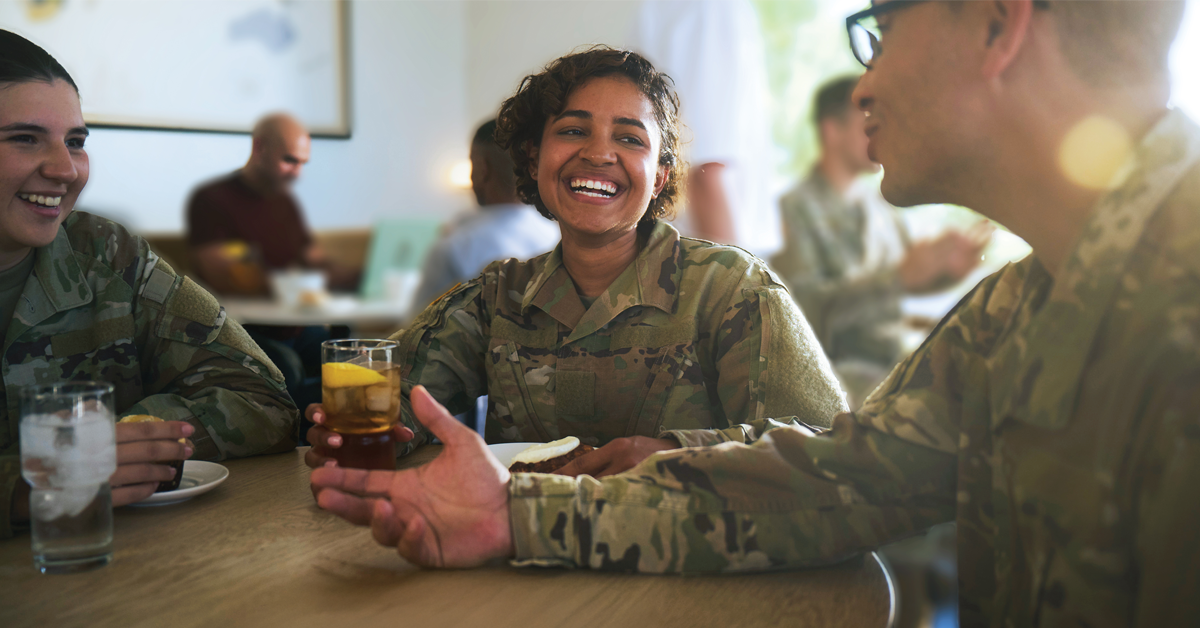
“The camaraderie that has developed over the last year and a half or so has been amazing. It’s given me a new avenue to meet new friends and to get insight into my fellow Veterans and what they’ve gone through.”
The bond grew so strong that one Veteran started organizing lunches on Long Island for group members. Now it’s a regular occurrence. “We get together and we talk about things,” Miller said. “Meeting like this is so easy. We have the lunches all over the island.”
Creating connections
The sense of connection isn’t limited to his therapy group. Miller said he also feels it when participating in VA’s virtual chair yoga and in the Remote Patient Monitoring − Home Telehealth (RPM – HT) program.
Although the primary benefits of chair yoga come from movement, stretching and relaxation, the 10 Veterans in his VA Video Connect sessions also chat. “We’ll say ‘Hi, how are you doing, how’ve you been, I missed you last week.’ And we remember each other; that’s kind of nice,” Miller said.
Miller’s at-home blood pressure monitoring also provides a personal touch.
Every night, Miller takes a reading with the device VA staff trained him to use, then calls in his results. As with all Veterans participating in RPM – HT, Miller was assigned a care coordinator to monitor his health, one who makes sure he receives the care he needs and then advises him on ways to manage his chronic conditions. When Miller’s blood pressure gets high, the coordinator calls to check on him and offer help.
“It makes me feel cared for,” Miller said. “I’m not just a number. I’m an individual.”
Healthier living
Miller reported that using VA telehealth in so many ways has been easy and helpful to him.
“I’m putting them all together and getting good results,” he said. “These are opportunities, all of them, just for me to relax a little bit, to stay in shape mentally and physically.”
Miller, who lives with his wife, often ventures out to volunteer and exercise, including at his gym. Sometimes he even gets together with gym buddies for lunch. But he says it’s not quite the same as his lunches with other Veterans.
“We don’t have the commonality that VA gives me through the telehealth program,” he added.
If you’re a Veteran, learn more about VA Telehealth Services and remote patient monitoring, and ask your VA care team about VA virtual care resources available to you.