VA Research Wrap Up: New results on Technology Transfer, blast exposure and telehealth

VA’s Office of Research and Development recently published three News Briefs highlighting VA’s Technology Transfer Program winning awards, the effects of blast exposure and tele-emergency care.
VA wins two Technology Transfer awards
VA’s Technology Transfer Program (TTP) is scheduled to be recognized at the Federal Laboratory Consortium for Technology Transfer (FLC) 2026 awards May 13 in Seattle.
The first of two awards are in the category of “Excellence in Technology Transfer,” being awarded for the RainDrop Dispenser, a device that makes it easier to apply single-use eye drops. The device was created by San Francisco VA ophthalmologist Dr. Julie Schallhorn, in collaboration with TTP bioengineers, to help patients with strength and dexterity problems in their hands. The second category of award is the “Technology Transfer Innovation Award” for two complementary initiatives, the Bringing Research Advancements for Veterans to Everyone (BRAVE) program and the Technology Transfer Assistance Program (TTAP). BRAVE is a funding program that provides eligible VA inventors up to $100,000 to support the innovation and development of VA-owned or jointly owned intellectual property, helping better position these inventions for commercialization and real-world impact.
TTAP focuses on translating VA-developed technologies into practical solutions by creating advanced prototypes, conducting design and cost analysis, and preparing technical documentation.
Blast exposure linked to faster biological aging
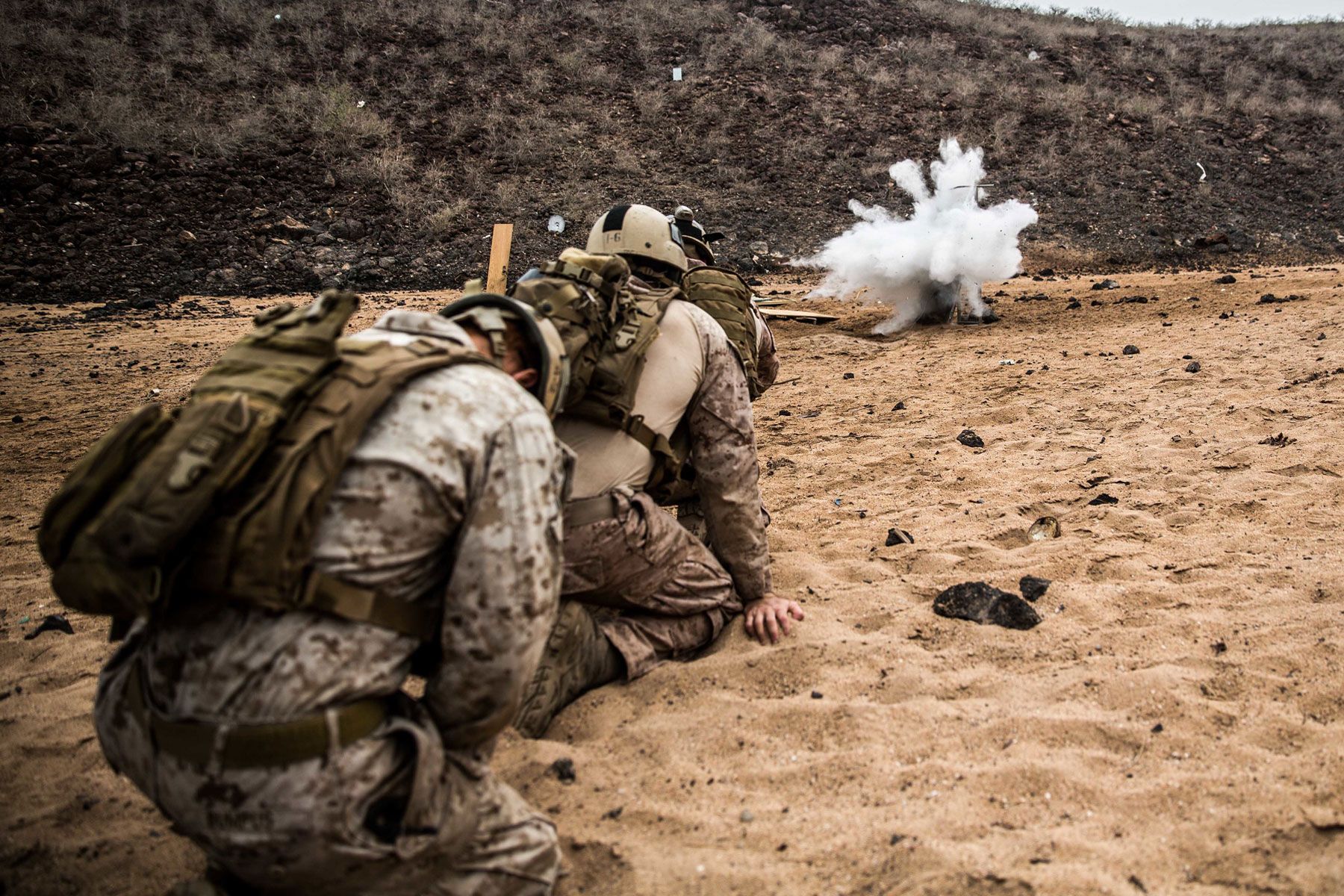
Researchers with the VA Mid-Atlantic Mental Illness Research, Education, and Clinical Center learned that blast exposure is linked to accelerated biological aging.
The researchers analyzed the DNA of 114 post-9/11 combat Veteran volunteers. Those with greater blast exposure severity showed more signs of DNA degradation, indicating faster biological aging. The findings were independent of traumatic brain injury or PTSD diagnosis. Analysis revealed both higher-intensity and more frequent blast exposures contributed to faster aging. The findings suggest accelerated biological aging could explain the link between blast exposure and long-term health decline, which could help identify Veterans at higher risk for age-related diseases.
Tele-emergency care reduces emergency room visits
Veterans who receive tele-emergency care are less likely to require emergency room (ER) visits, according to a VA Palo Alto study.
VA established a tele-emergency care system in which Veterans who call the VA nurse advice line can have real-time virtual encounters with emergency clinicians if their condition warrants it. Of the more than 2.5 million calls from 2018 to 2024, nearly 100,000 resulted in a tele-emergency visit. Receipt of tele-emergency care was associated with 16% fewer ER visits within seven days compared to nurse triage alone, particularly for Veterans with emergent health conditions. No increases in hospitalization or mortality rates were reported. Broader implementation of tele-emergency care could help ensure Veterans with urgent health concerns receive timely access to emergency expertise while safely reducing ER visits, preserving in-person capacity for those who need it most.
For more Office of Research and Development updates, visit ORD online or go to https://www.research.va.gov/news_briefs/.