Theodore Roosevelt led the Rough Riders up San Juan Hill , survived an assassination attempt, and almost died while exploring the Amazon. Roosevelt did what he wanted to do when he wanted to do it.
Veterans Crisis Line
Need to talk?
Free, confidential support 24/7 for veterans, service members, and their families.
The Department of Veterans Affairs (VA) is invested in helping you grow your career in service of our Veterans. We offer multiple training programs to help you build your skills, all while earning an.
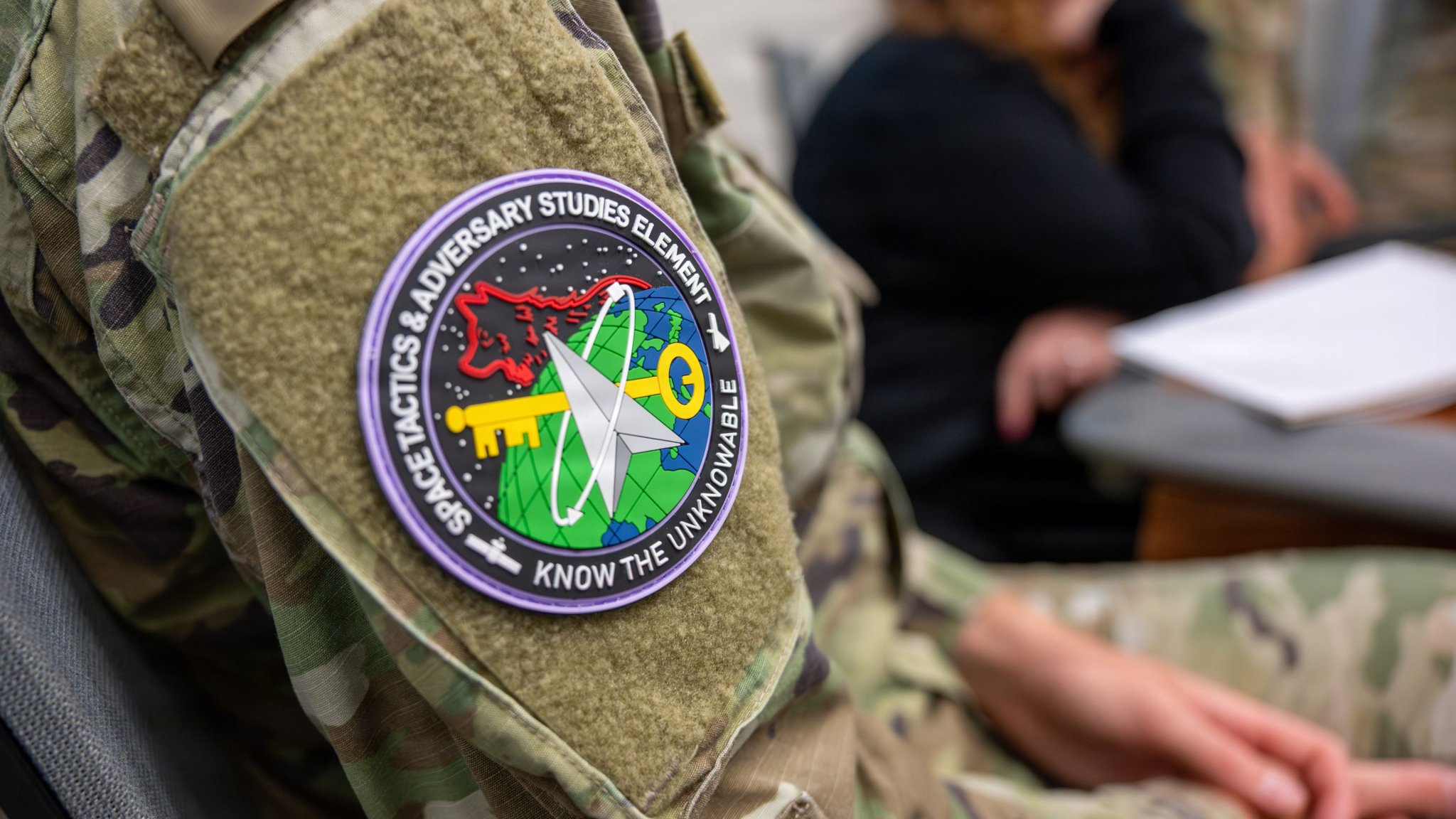
Space Force is seeking “several hundred officer and enlisted” personnel to transfer from other branches. This month, the Space Force launched a new iteration of its Interservice Transfer Program ,...
On Sept. 4, A24 quietly released “Onslaught”—and I say “quietly” because I’m a target demographic (prior military, in attendance for summer 2026 action films and blockbusters, writer for military...
ERLANGER, Ky. — DAV (Disabled American Veterans) has named Sonepar USA , its Large Employer of the Year. Headquartered in North Charleston, South Carolina, Sonepar provides electrical and...
ERLANGER, Ky. — DAV (Disabled American Veterans) has named ENSCO Inc., an engineering, science and technology provider headquartered in Vienna, Virginia, its Midsize Employer of the Year.
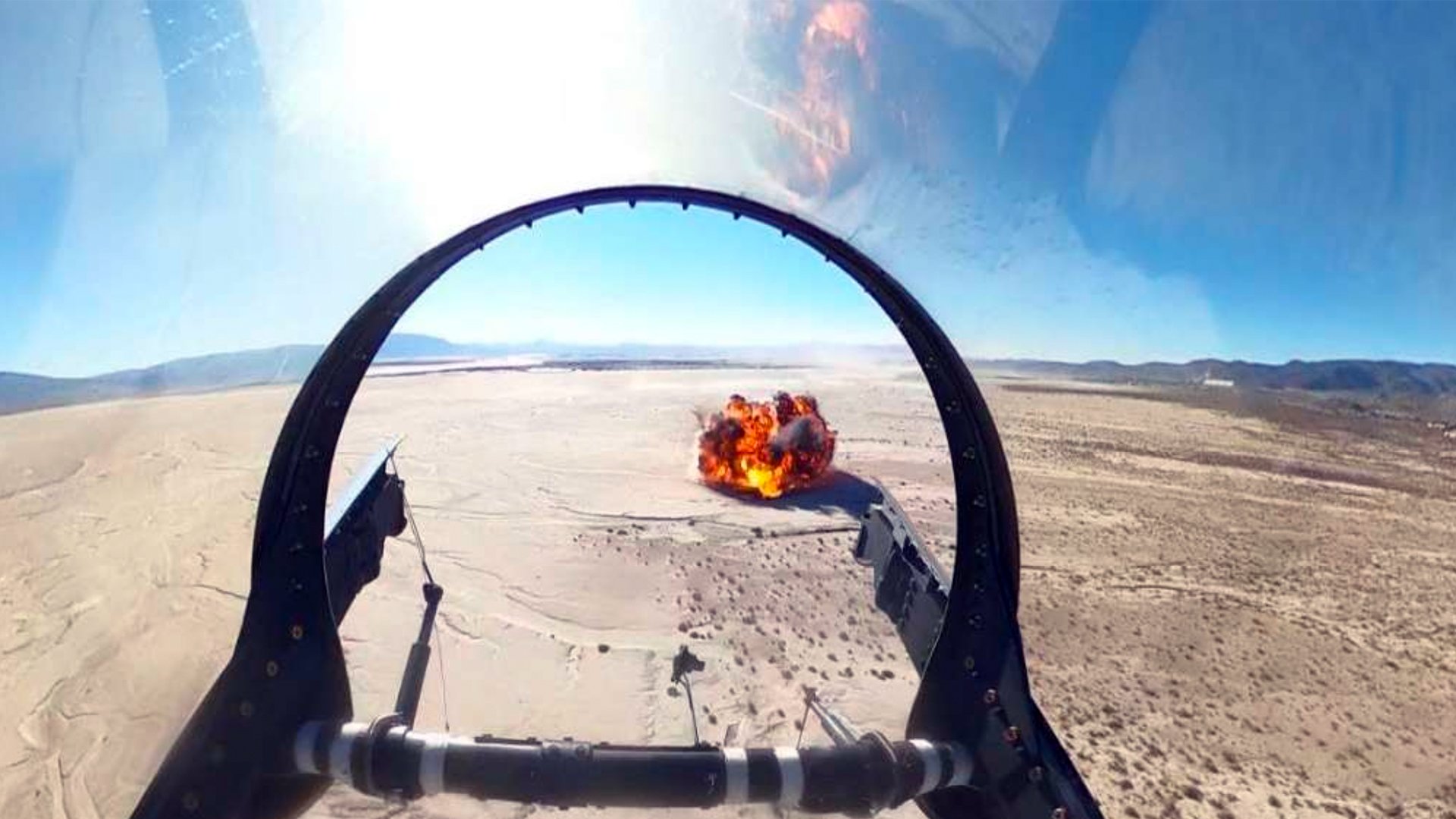
One of the Air Force’s most talented pilots was looping their F-16CM Thunderbird jet into a routine maneuver during a training flight last December that required them to push the plane’s engine to...
How music and steady support reshaped a life Army Veteran Justin Aguayo, the son of a Marine, grew up the way a lot of military kids do — new schools, new towns, new faces, over and over.
The non-hostile death of an Army officer in support of ongoing operations in the Iran war was quietly reported in the Pentagon’s casualty tracking database Monday.
Whether for your next mission, your family’s future or life after service, you already know the value of planning ahead. Your personal “my Social Security” account helps you do just that.
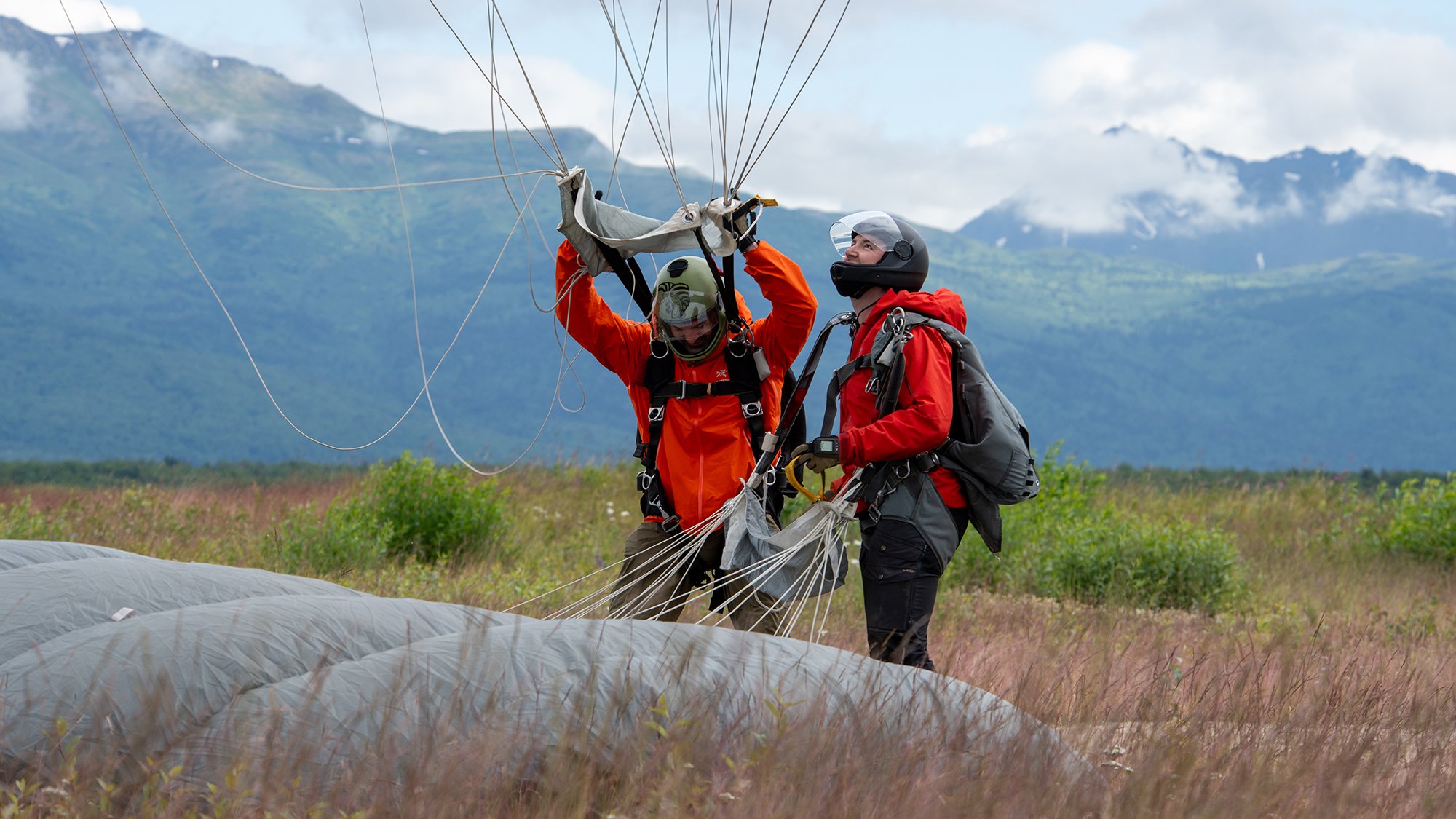
When a group of civilian hunters found themselves trapped by a rising river above the Arctic Circle this month, an Alaska Air National Guard team had to use just about every backcountry rescue trick..