I Never Served in the Military. But for 60 Years, I’ve Played Taps for Those Who Did

Photo by Elizabeth Fraser/U.S. Army; photo courtesy of P.K. Compton /> In the spring of 1966, my high school principal pulled me out of science class and asked me to play Taps at a funeral.
“I’d rather not,” I said.
I was 15 years old and had been playing trumpet for four years — stage band swing music, Sousa marches, pop songs at basketball games in my hometown of Paintsville, Kentucky. Playing Taps at a funeral seemed beneath my teenage ego.
A resigned look fell over Principal Trimble’s face and he avoided looking me in the eye.
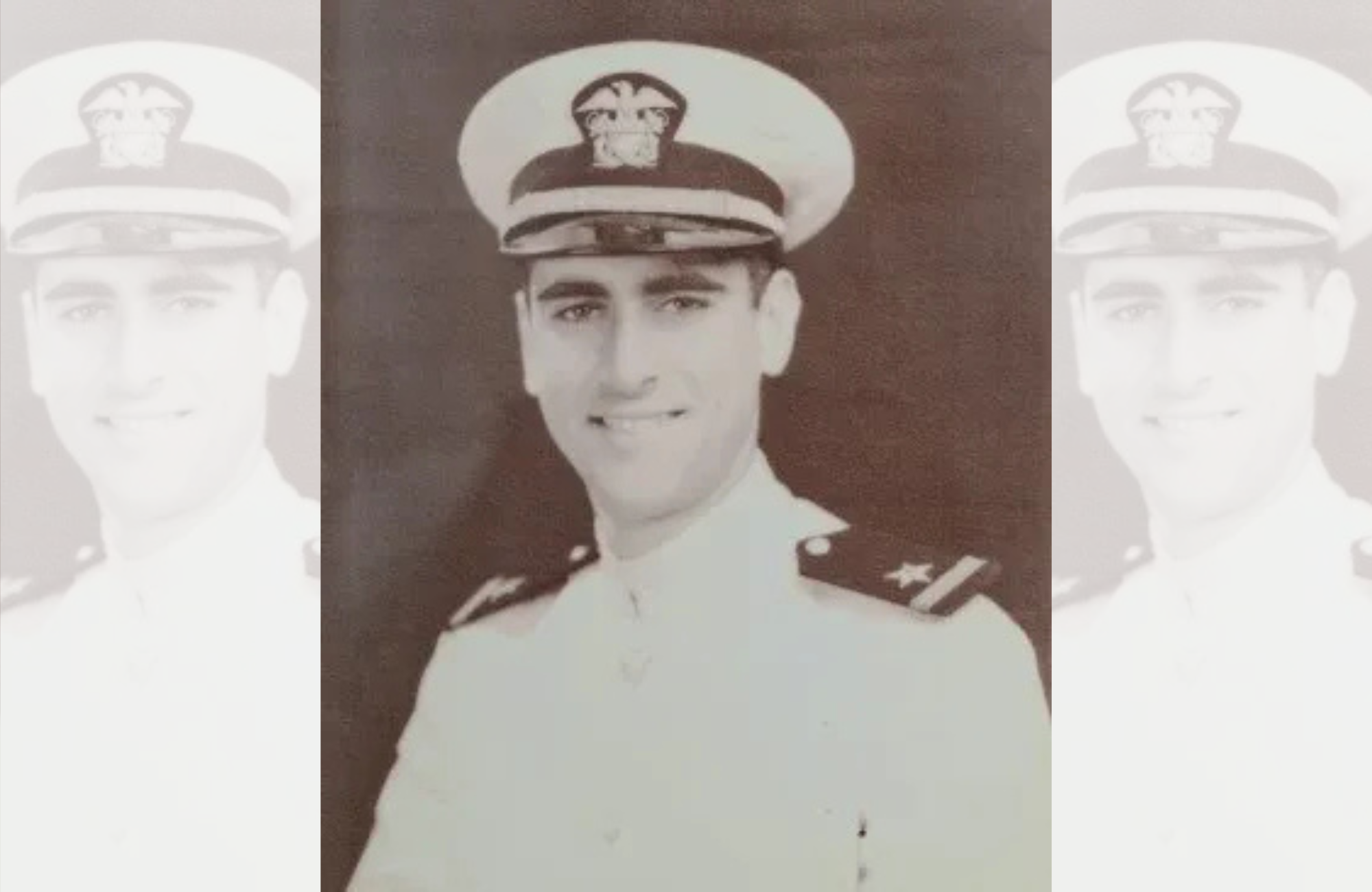
P.K. Compton was 15 when he first played taps at a soldier’s funeral. (Photo courtesy of the author) alt="" class="wp-image-45219" title="" srcset="https://i0.wp.com/thewarhorse.org/wp-content/uploads/2026/10/null-26.jpeg?resize=1030%2C1019&ssl=1 1030w, https://i0.wp.com/thewarhorse.org/wp-content/uploads/2026/10/null-26.jpeg?resize=400%2C396&ssl=1 400w, https://i0.wp.com/thewarhorse.org/wp-content/uploads/2026/10/null-26.jpeg?resize=80%2C80&ssl=1 80w, https://i0.wp.com/thewarhorse.org/wp-content/uploads/2026/10/null-26.jpeg?resize=768%2C760&ssl=1 768w, https://i0.wp.com/thewarhorse.org/wp-content/uploads/2026/10/null-26.jpeg?resize=1024%2C1013&ssl=1 1024w, https://i0.wp.com/thewarhorse.org/wp-content/uploads/2026/10/null-26.jpeg?resize=100%2C100&ssl=1 100w, https://i0.wp.com/thewarhorse.org/wp-content/uploads/2026/10/null-26.jpeg?resize=780%2C771&ssl=1 780w, https://i0.wp.com/thewarhorse.org/wp-content/uploads/2026/10/null-26.jpeg?w=1183&ssl=1 1183w, https://i0.wp.com/thewarhorse.org/wp-content/uploads/2026/10/null-26-1030x1019.jpeg?w=370&ssl=1 370w" sizes="(max-width: 780px) 100vw, 780px" />
“This boy was just brought back from Vietnam. His family wanted a military funeral, but couldn’t get one,” he told me. “They decided they would be satisfied if someone could just play Taps.”
I quickly agreed.
It’s been said that playing Taps is about as difficult for a trumpeter as playing “Chopsticks” is for a pianist. While the mechanics aren’t hard, playing Taps properly takes a lot of warmth and passion. Nowhere in the annals of music have 24 notes played in 60 seconds evoked such emotion from listeners. The distant chant of a lone bugle can dismantle the most stoic person into sobs.
Once I saw the power of that deceptively simple tune, I slowly began to understand that humility was a strength, not a weakness.
The cemetery was outside of town; I rode in the hearse with the funeral home staff. The conversation was pleasant, and they were grateful that I agreed to come. Perhaps they could see I was a bit on edge. Although I had been the bugler for my Boy Scout troop, I had never played Taps at a funeral before.
When we got to the cemetery, I stood alongside a large tree and waited. I could sense the family’s grief in their faces and voices, even though I couldn’t hear what was being said. I eventually got the cue to begin, played my best, and was taken home the same way I came.
During the ride back, I thought about the funeral, my own family history, and my possible future. I was raised as an Army brat and heard stories about World War II. I would graduate high school in two years and might be sent to Vietnam. And I had just witnessed the grief of a family who had lost their son to war.
Young people don’t have a sense of mortality until they witness its presence. Which I just had.
I played Taps again just a few weeks later. It wasn’t a formal military service, but active-duty military and family members in Marine uniforms attended. In their presence, I felt a strong need to do well.
The author now frequently plays taps at ceremonies, primarily in Kentucky and the Tennessee Valley. (Photo courtesy of P.K. Compton) alt="" class="wp-image-45220" title="" srcset="https://i0.wp.com/thewarhorse.org/wp-content/uploads/2026/10/null-27.jpeg?resize=961%2C1030&ssl=1 961w, https://i0.wp.com/thewarhorse.org/wp-content/uploads/2026/10/null-27.jpeg?resize=373%2C400&ssl=1 373w, https://i0.wp.com/thewarhorse.org/wp-content/uploads/2026/10/null-27.jpeg?resize=768%2C823&ssl=1 768w, https://i0.wp.com/thewarhorse.org/wp-content/uploads/2026/10/null-27.jpeg?resize=956%2C1024&ssl=1 956w, https://i0.wp.com/thewarhorse.org/wp-content/uploads/2026/10/null-27.jpeg?resize=780%2C836&ssl=1 780w, https://i0.wp.com/thewarhorse.org/wp-content/uploads/2026/10/null-27.jpeg?resize=400%2C429&ssl=1 400w, https://i0.wp.com/thewarhorse.org/wp-content/uploads/2026/10/null-27.jpeg?w=1173&ssl=1 1173w, https://i0.wp.com/thewarhorse.org/wp-content/uploads/2026/10/null-27-961x1030.jpeg?w=370&ssl=1 370w" sizes="(max-width: 780px) 100vw, 780px" />
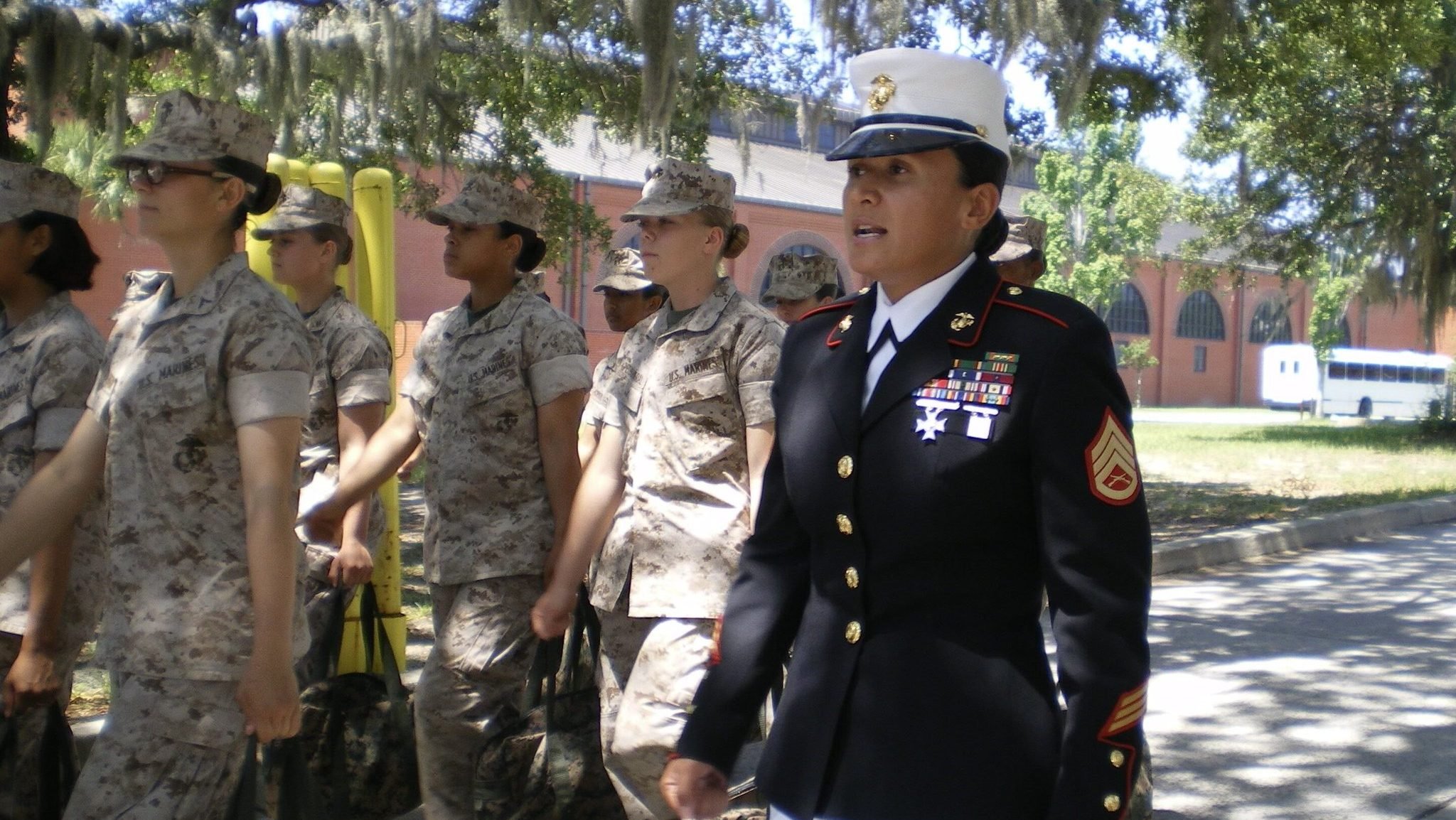
After the service concluded, one of the Marines made a beeline toward me, removed a white glove, and extended his right hand to shake mine. He sincerely thanked me for playing. I then realized what character these service members must have. A grieving Marine in uniform had taken the time to thank a teenage boy. I had always considered myself a patriot, but this experience was a new level for me.
My school principal knew from then on that he could count on me whenever a trumpeter was needed to play Taps.
My father, who landed on Omaha Beach on D-Day, was beyond pleased when I started playing Taps at veterans’ funerals. Some of the stories I shared with him had brought him to tears.
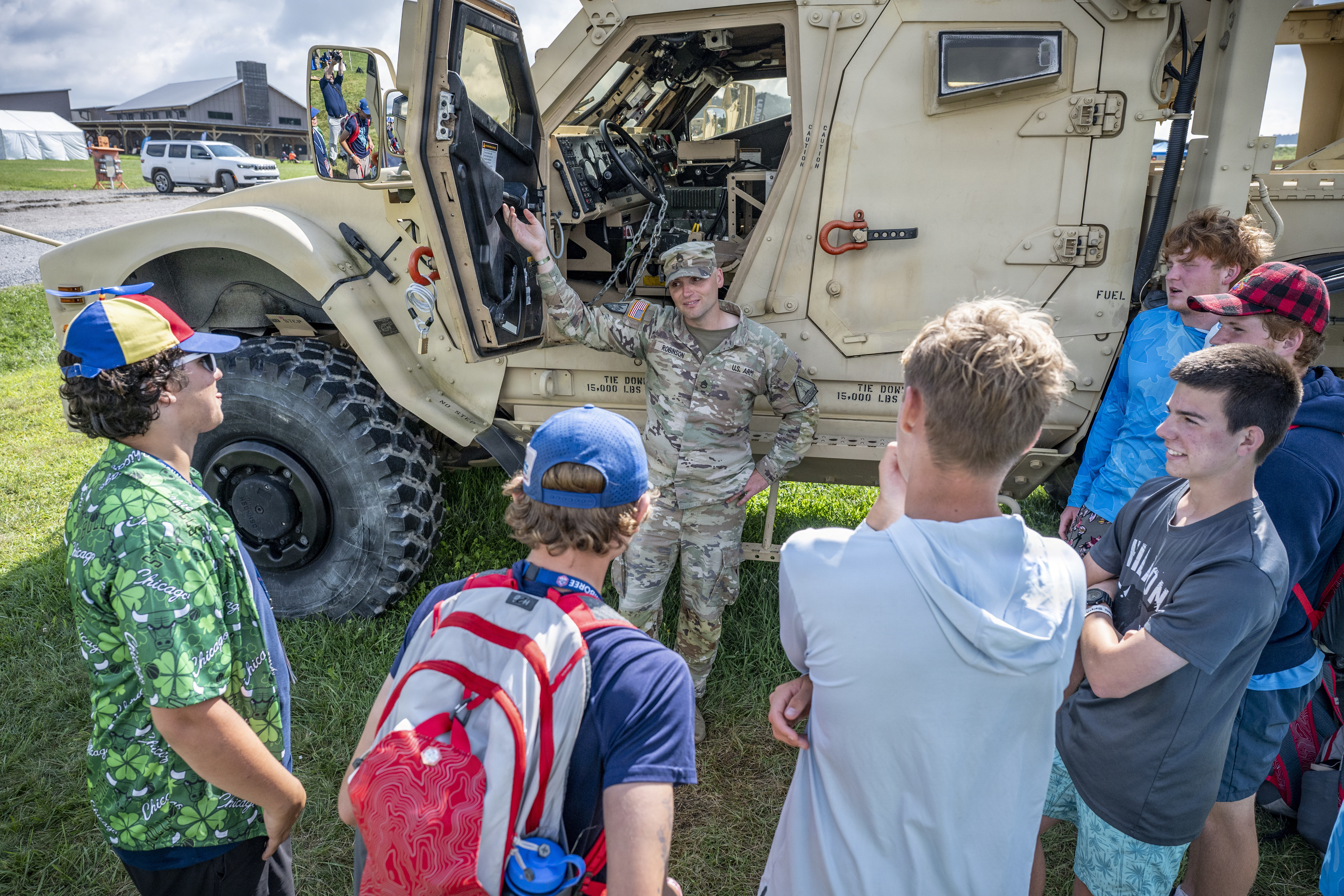
A shortage of military trumpet and bugle players has led to recorders, which are inserted into the instruments and automatically play taps. (Photo by Margo Wright/ U.S. Air Force) alt="" class="wp-image-45221" srcset="https://i0.wp.com/thewarhorse.org/wp-content/uploads/2026/10/null-28.jpeg?resize=1030%2C725&ssl=1 1030w, https://i0.wp.com/thewarhorse.org/wp-content/uploads/2026/10/null-28.jpeg?resize=400%2C282&ssl=1 400w, https://i0.wp.com/thewarhorse.org/wp-content/uploads/2026/10/null-28.jpeg?resize=768%2C541&ssl=1 768w, https://i0.wp.com/thewarhorse.org/wp-content/uploads/2026/10/null-28.jpeg?resize=1536%2C1082&ssl=1 1536w, https://i0.wp.com/thewarhorse.org/wp-content/uploads/2026/10/null-28.jpeg?resize=1200%2C845&ssl=1 1200w, https://i0.wp.com/thewarhorse.org/wp-content/uploads/2026/10/null-28.jpeg?resize=1024%2C721&ssl=1 1024w, https://i0.wp.com/thewarhorse.org/wp-content/uploads/2026/10/null-28.jpeg?resize=2000%2C1408&ssl=1 2000w, https://i0.wp.com/thewarhorse.org/wp-content/uploads/2026/10/null-28.jpeg?resize=780%2C549&ssl=1 780w, https://i0.wp.com/thewarhorse.org/wp-content/uploads/2026/10/null-28.jpeg?w=2025&ssl=1 2025w, https://i0.wp.com/thewarhorse.org/wp-content/uploads/2026/10/null-28-1030x725.jpeg?w=370&ssl=1 370w" sizes="auto, (max-width: 780px) 100vw, 780px" />
I have played at funerals and memorials, including at Veterans Administration ceremonies, the historic African Cemetery No. 2 in Lexington, Kentucky, and Camp Nelson National Cemetery. I continue to play on Veterans Day and Memorial Day, in cemeteries and ceremonies in the Tennessee Valley and even on my own back deck in Kentucky.
The history of Taps goes back to the Civil War. A U.S. bugle call had been played at the end of the day to signal bedtime for the troops. But Union Gen. Daniel Butterfield of the New York militia thought it overly formal for what was essentially a military lullaby.
According to one history of the tune, Butterfield summoned Oliver Norton, the company bugler, one evening and they came up with a bugle call that satisfied the general’s ear. Norton played Taps for the first time that very night in July 1862, and it was heard by other regiments in the area. Today, it’s played at military funerals, memorials, and wreath-laying ceremonies.
I think every veteran deserves to have Taps played live at their funeral. However, there’s a shortage of military buglers, so people sometimes resort to a faux bugle that autoplays the tune. A “bugler” puts the instrument to their lips, presses a button, and as long as it has fresh batteries, the device will mechanically play Taps. I don’t like it. In my mind, it is like listening to a CD instead of a concert. Veterans deserve more than a recording.
Over the years, when horn players ask me for advice on playing Taps, I always think back to that day in 1966 and the impact it had.
Taps is the final word at a memorial service or funeral, I tell them. As a bugler, you’ll be virtually unnoticed throughout the entire proceedings, as it should be.
During the prayers, testimonials, hymns, flag presentation, and eulogies, the family and friends hold their heads high. The men do their best to act strong, trying to set an example for the others. Ladies and children are usually resigned and composed. Everyone is polite for the dignity of the service.
And there you stand with your trumpet or bugle, waiting for the final prayer (or the rifle salute if it’s a funeral) that signals your cue. When you raise the horn to your lips and play those first three notes, the atmosphere shifts. The tears and sobs begin; tissues and handkerchiefs appear out of nowhere. Your performance doesn’t create the outpouring of grief, but when you play the song as it was intended, those 24 notes announce to all that the day is done.
It’s as certain as the air you breathe, so don’t be surprised. The playing of Taps isn’t just the end of the ceremony; it’s the final goodbye to the life of the veteran.
This Reflection from The War Horse was edited by Kim Vo, fact-checked by Trey Strange, and copy-edited by Mollie Turnbull.