The invisible weight of loving a service member while protecting yourself
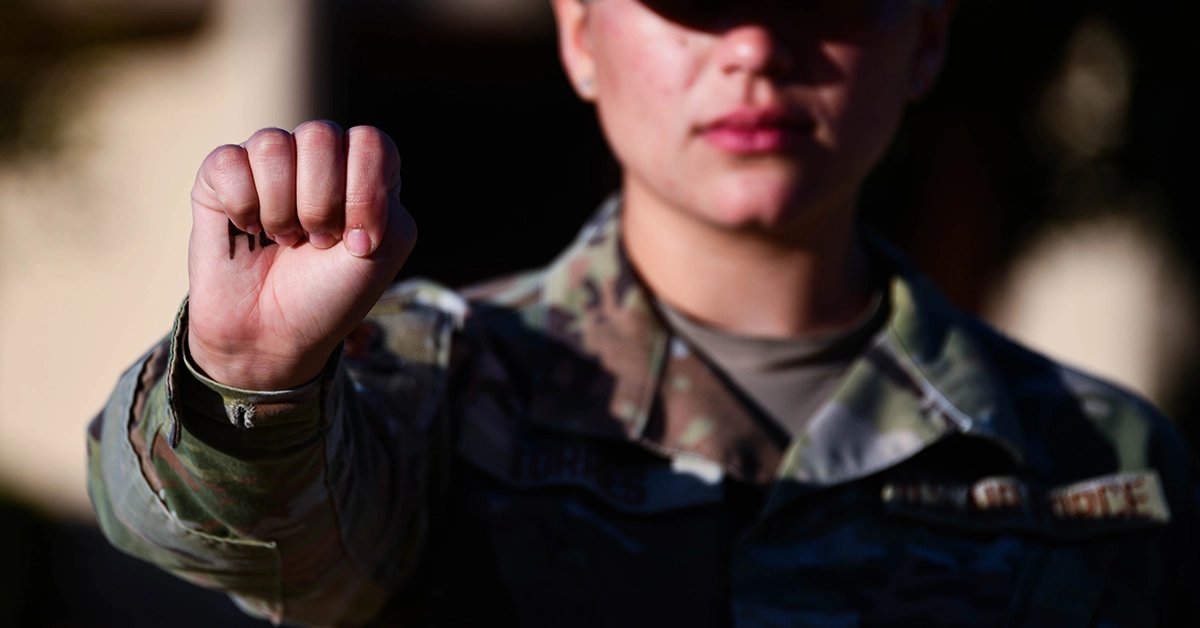
Loving a service member is a unique kind of romance. Military spouses are often celebrated for our resilience. We are told we are strong, adaptable, and capable of weathering anything military life throws in our path. We PCS with efficiency and understanding, single parent through deployments and separations, rebuild communities while grieving the ones we say goodbye to every few years, and often hold it down alone while our service members focus on the mission. Mission first, family always.
But beneath the image of military family strength is a truth many spouses carry in silence: sometimes the hardest battle is not deployment, distance, or reintegration, it is surviving the emotional toll of living alongside a partner whose own wounds have changed the home environment.
Not all wounds are visible.
Repeated deployments, chronic hypervigilance, combat exposure, leadership stress, moral injury, and the unrelenting expectation of readiness can deeply affect service members and, by extension, their families. Military culture often normalizes emotional suppression. We are expected to push through, stay “mission-focused,” compartmentalize, and just move on. While these skills may be operationally necessary, they can often become deeply disruptive at home.
This might leave you walking on eggshells in your own home.
A once-connected and present partner may become emotionally unavailable, angry, reactive, controlling, detached, hypercritical, or unpredictable. Conversations become minefields that are avoided at all costs. Affection becomes conditional. Your nervous system begins adapting to theirs by constantly scanning mood shifts, monitoring tone, avoiding conflict, and suppressing your own needs to preserve peace.
This is not just “marriage is hard.” Emotional and mental abuse can exist in military marriages, and military spouses are too often conditioned to minimize it.
We hear phrases like:
“They’ve been through a lot.”
“You knew what you signed up for.”
“This is just reintegration.”
“All military marriages are hard.”
“Be patient.”
Yes, military life is uniquely stressful. Yes, trauma changes people. But trauma is context, not permission. Our service members have an arsenal of support services at their fingertips, but the stigma of mental health overrides the journey to wellness. Stress, PTSD, depression, or operational fatigue do not excuse intimidation, manipulation, emotional neglect, humiliation, chronic blame, gaslighting, isolation, or patterns of control.
Supporting a wounded or unhealthy partner should never require abandoning yourself. Loving a service member means recognizing they’re in pain and pushing them to get the help they need, regardless of the stigma.
When Military Culture Encourages Tolerance
Military spouses can internalize dangerous expectations. Some feel (or actually are) pressured to be endlessly understanding because their partner serves. Others are afraid of judgment if they admit their home is not emotionally safe. There can even be an unspoken hierarchy of suffering where the service member’s experience is at the forefront, while the spouse’s distress is minimized. The service member gets support, the spouse is left to “figure it out.”
This creates a painful question many spouses silently ask: “How much am I expected to endure because my spouse wears the uniform?” The answer is more important than many communities want to admit: service does not erase your right to emotional safety, dignity, or peace. Being a military spouse is not synonymous with tolerating chronic mistreatment.
Anxiety and the Pressure to Stay
Many spouses remain in deeply unhealthy dynamics because leaving feels impossible. Military marriages are layered with practical realities like housing dependency, healthcare considerations, financial entanglements, child and custody concerns, stigma from the military community, and the ever-present fear of professional fallout for the service member’s career.
Alongside these realities is often profound anxiety:
What happens if I leave?
Am I overreacting?
Is it me?
Is this PTSD or abuse?
Will things improve after retirement, command change, or the next duty station?
While every marriage deserves thoughtful consideration, staying should not come at the expense of your mental health deteriorating. Preparing for these situations isn’t a betrayal to your vows or your loved ones. A spouse’s mental health is just as important to a military family unit as the service member’s, especially when children are involved.
Managing anxiety in these situations often begins with grounding yourself in reality:
Document patterns, not isolated incidents.
Seek outside perspective from a licensed therapist familiar with trauma and military family systems.
Rebuild connection to your own support network.
Identify what is yours to manage versus what belongs to your partner.
Create emotional and practical contingency plans, even if you are not making immediate decisions.
Common PTSD Warning Signs
Not every stressed or struggling service member has PTSD, and not every person with PTSD becomes harmful. But awareness is important. It helps reveal what might be genuine signs of post-traumatic stress and what is intentionally abusive behavior. Potential warning signs may include:
Hypervigilance or exaggerated startle response
Irritability or anger outbursts
Emotional numbing or detachment
Sleep disturbances or nightmares
Avoidance of conversations, places, or emotions tied to trauma
Increased alcohol use or substance reliance
Isolation from family/friends
Difficulty with intimacy or trust
Controlling behaviors linked to safety or unpredictability
Black-and-white thinking or persistent negativity
Risk factors can increase with operational strain, including multiple deployments, high-tempo assignments, repeated separations, combat exposure, or years in chronically stressful billets. There is no magic number of deployments that predicts PTSD. One deployment can be impactful, while others may tolerate several with fewer symptoms. It is cumulative exposure and individual experience that matter most.
A Message to Military Spouses
You can love someone in uniform and still acknowledge that their pain is impacting you.
You can have compassion for trauma without becoming collateral damage.
You can support healing while holding boundaries.
You are allowed to ask the hard questions: Is this relationship emotionally safe? Is there accountability? Is treatment being pursued? Am I shrinking to survive this marriage?
Military spouses are often praised for their sacrifice and responsibility of holding the family together while the service member is gone. But not all sacrifice is noble, and not all endurance is healthy. Sometimes strength is not staying quiet, staying small, or staying indefinitely. Sometimes strength is telling the truth. Loving a service member does not mean suffering in silence.
To the spouses carrying invisible stress inside marriages shaped by service, trauma, and relentless expectations: your experience matters too. And you deserve support that does not require you to disappear.
Don’t Miss the Best of We Are The Mighty
• What happens when the veteran becomes the military spouse • A Gold Star spouse’s healing journey amid unimaginable grief • Reports show a military spouse commits suicide every 8 days
Mighty MilSpouse
Mighty MilSpouse
The invisible weight of loving a service member while protecting yourself
By Sara Jane Ginn
PCS
PCS season means carrying what matters, finding who matters
By Sara Jane Ginn
PCS
The hysterically relatable responses to a military spouse’s biggest PCS rule
Mighty MilSpouse
Closing the Month of the Military Child: A Quiet Strength Worth Honoring
By Sara Jane Ginn
Everything families need to know about autism diagnosis and automatic draft registration
Related Family stories

The $1 billion robbery that Saddam Hussein pulled off before US bombs fell
The group of men arrived at the Central Bank of Iraq before sunrise on March 18, 2003. Hours before the bank officially opened for the day,

7 hacks for the hard truths about raising kids in a dual-military household
Parenting already feels like organized chaos. Now add two military careers, four kids, competing duty schedules, and you’ve got the reality
5 sneaky habits wrecking military family mental health (and nobody talks about)
Military families are built tough, but some everyday habits are quietly burning them out. Here’s what’s really going on behind all that “we’