The proud World War II history of the Navy’s DD-214
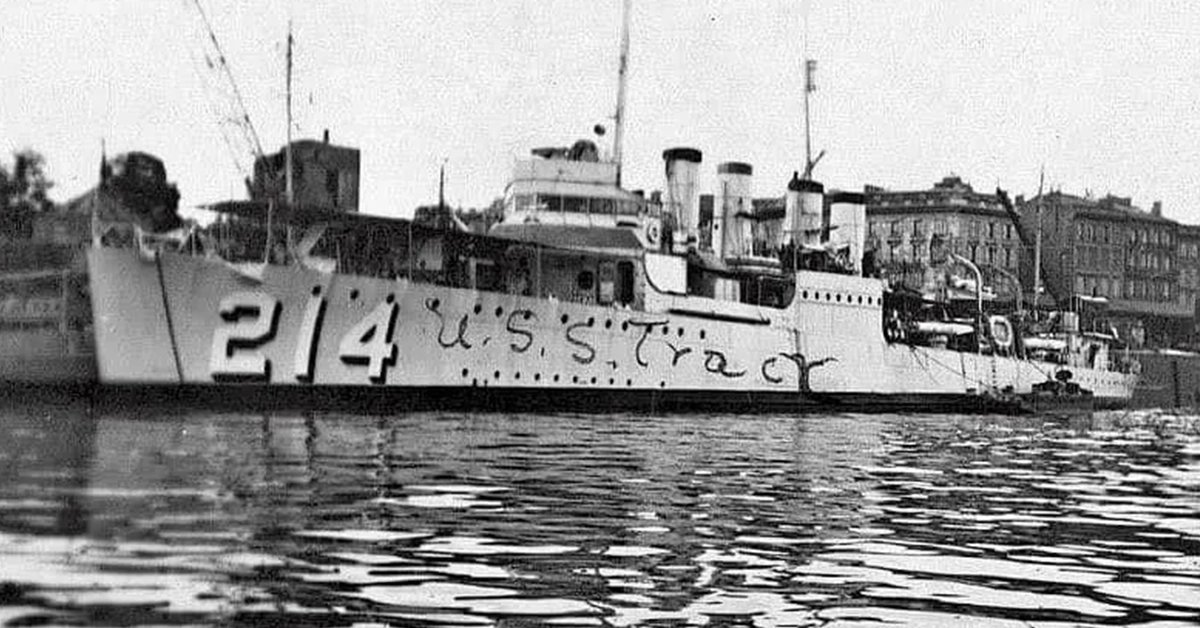
The Army has a saying, “Ain’t no use in looking down, ain’t no discharge on the ground.” But for some old World War II sailors, looking down might have revealed a DD-214—just not the kind of DD-214 that are discharge papers.
That’s because the destroyer and minesweeper USS Tracy was commissioned as DD-214, the Navy’s 208th destroyer, so numbered because DD-200 through DD-205 were canceled.
USS Tracy actually predates World War II. Laid down in 1919 and commissioned in 1920, it was one of 156 destroyers built after World War I. Like the Wickes-class before it, the Clemson-class destroyers were designed to counter submarine threats (because we were always fighting the last war, even if it was a world war).
The new class of destroyer was so much like the old class, in fact, that they were practically the same, except the new Clemson-class was designed for range, not just speed. They looked exactly alike, even with armaments, but Clemsons carried roughly 100 more tons of fuel, extending range to something like 4,900 nautical miles at 15 knots. Much of that extra fuel went into wing tanks alongside the machinery spaces, which improved endurance, but those tanks were a vulnerability because they sat above the waterline and outside the protected core.
Clemsons like the DD-214 also had a larger rudder, which improved its turning circle. Despite being designed for the previous war, both Wickes and Clemson classes would be perfect for destroyer escort convoys and minesweeping during World War II.
Except there weren’t 156 destroyers in the original run when the war came. Many were scrapped as part of the London Naval Treaty, some were scrapped because of boiler design flaws, an 19 were transferred to the Royal Navy at the start of World War II in Europe. USS Tracy (DD-214) survived the culling, serving on cruises in the Black Sea, the Suez Canal, and the Pacific prior to World War II. It was even sent to Yokohama, Japan to help the city recover after an earthquake rocked the region.
It was at Pearl Harbor undergoing a massive overhaul when the Japanese attacked in 1941.
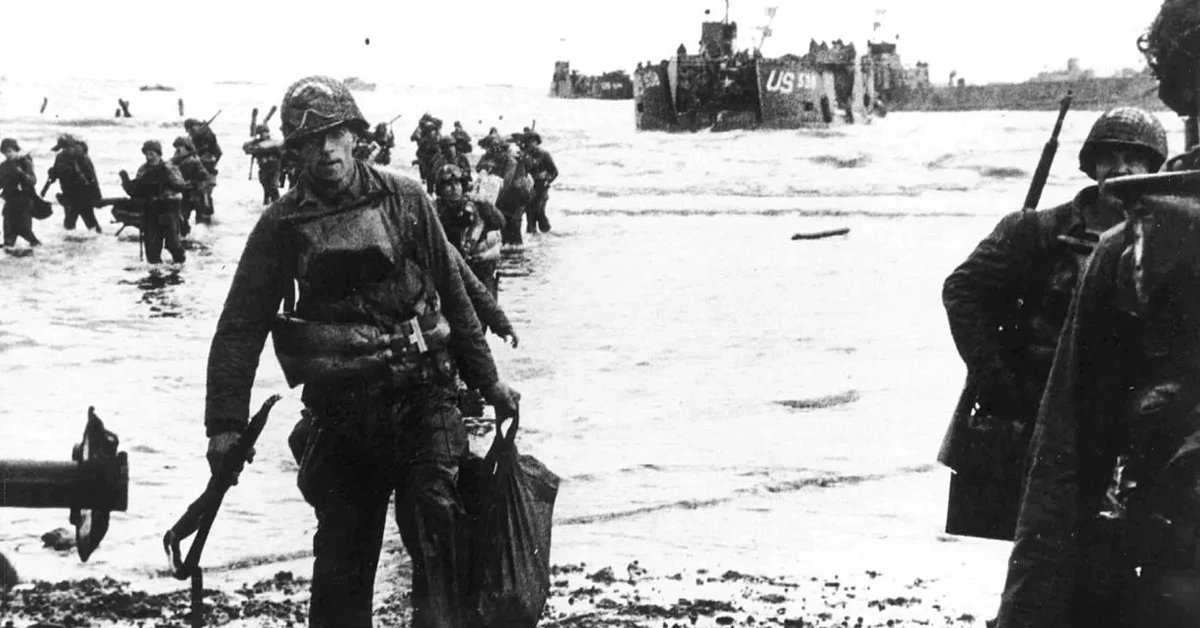
The Tracy’s gun batteries, boilers, ammunition, and most of her crew had been removed during the overhaul but that didn’t stop the skeleton crew on the ship from taking action that December morning.
The duty watch kept a log of all their actions, including dispatching fire and damage control crews to other ships and setting up machine guns with borrowed ammunition to fire on Japanese planes attacking the nearby USS Cummings and USS Pennsylvania. The Tracy suffered one man killed and two lost during the battle.
Tracy’s crew got their ship back in fighting shape quickly and it took part in minelaying activities in March 1942. A few months later, the Tracy joined Task Force 62 for the assault on Guadalcanal. It then became a convoy escort and supply ship.
As part of the fighting around Guadalcanal, Tracy led the minelaying mission that doomed the Japanese destroyer Makigumo just a year after it was launched. The Tracy then supported the American-Australian offensive at Bougainville Island before heading back north to take part in the Okinawa invasion, rescuing survivors of a ship hit by a suicide boat attack.
After running supplies between operations in the Pacific Theater and Pearl Harbor, DD-214 began antisubmarine and anti-small boat patrols with American ships around Okinawa. It soon began running supplies between the Japanese islands and the Philippines, before going into drydock in July 1945.
The war ended a short time later and Tracy emerged from the conflict nearly unscathed, but with seven battle stars.
While it’s great to imagine an entire generation of sailors that had to serve on the DD-214 while dreaming of their DD-214 papers, no old seamen were that unlucky. The DD-214 discharge form wasn’t introduced until 1950, four years after the Tracy was decommissioned and sold for scrap.
Don’t Miss the Best of We Are The Mighty
• The immense challenge of teaching World War II in 270 minutes • A former violinist singlehandedly cleared a mountain fortress during World War II • Meet the dog who went from a family pet to a World War II hero
World War II
The proud World War II history of the Navy’s DD-214
How a decorated Navy aviator survived ‘the most replayed carrier crash’ ever
A critically injured Navy SEAL explains why wounded warriors don’t want your pity
The Navy said her son died by suicide. This mother pushed back fiercely for the truth
The Loyal Lee: Robert E. Lee’s cousin took the war to the South with the Union Navy