US Army and Navy helicopters sink six Iranian small boats, commander says
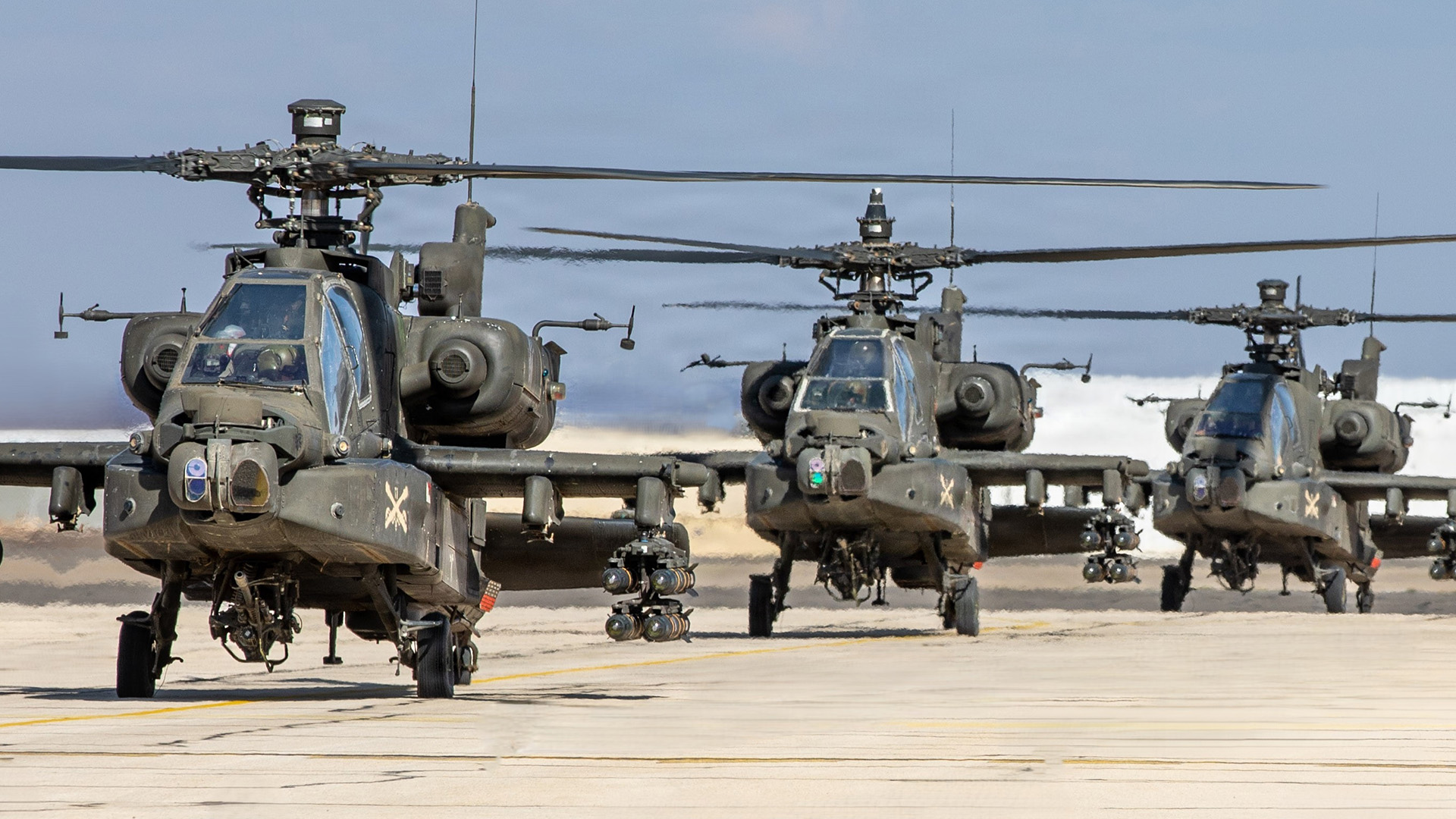
Army Apaches and Navy Seahawk helicopters destroyed six Iranian small boats on Monday as part of ongoing efforts to reopen the Strait of Hormuz to commercial vessels, according to Adm. Brad Cooper, head of U.S. Central Command.
“We have an enormous amount of capability and firepower concentrated in and around the strait, including AH-64 Apache and MH-60 Seahawk helicopters used just this morning to eliminate six Iranian small boats threatening commercial shipping,” Cooper said during a media roundtable on Monday afternoon.
Cooper said other U.S. forces had engaged Iranian missiles and drones, but did not provide details on engagements beyond the helicopter’s attacks.
Apaches are the Army’s primary attack helicopter, and carry a 30mm cannon, Hellfire missiles, and other weapons. The Navy flies two versions of the MH-60, a derivative of the H-60 Black Hawk. Both are used for surface and anti-submarine warfare, search and rescue and special operations, and have been used to hunt Iranian drones.
Top Stories This Week
Navy says aviators can no longer command amphibious warships
A firefight is too late to start trusting the new Corps, say senior Marines
By Jeff Schogol, Kyle Rempfer
The Marine Corps is overhauling its Recon training
By Nicholas Slayton, Jeff Schogol
Cooper did not say where the Apaches or Seahawks were based or if there were any survivors from the Iranian small boats. He also declined to specify what kind of munitions the Apaches and Seahawks used against the boats, saying only they “were very effective.”
The small boats, Cooper said, were apparently sent to challenge the U.S. military’s efforts to open a “safe passage” through the Strait of Hormuz, a strategically vital waterway through which about 20% of the world’s oil flows.
“The [Islamic Revolutionary Guard Corps] has launched multiple cruise missiles, drones and small boats at ships we are protecting,” Cooper said. “We have defeated each and every one of those threats through the clinical application of defensive munitions.”
Most of the Iranian cruise missiles targeted commercial vessels, but a portion of the missiles were fired at U.S. Navy ships, Cooper said.
“We defended both ourselves, and consistent with our commitment, we defended all the commercial ships,” Cooper said.
All the drones and small boats were used to attack commercial shipping, he said.
Cooper declined to say how many ships the Iranians have attacked.
“I think it’s best not to talk about the number,” Cooper said. “In an operational context, one of the lessons learned is: don’t tell the enemy what they’ve been able to achieve or not achieve. In our case, we are confident and we know for certain that these were defeated attacks, but I don’t want the Iranians knowing what they were able to do, what that looked like, what it achieved.”
Related Service stories

Yes, I Served in Iraq. But What if People Mistake Me for a Hero?
Illustration by Kim Vo The Department of Motor Vehicles was a good place to lose your identity, not find it, especially 30 minutes before cl
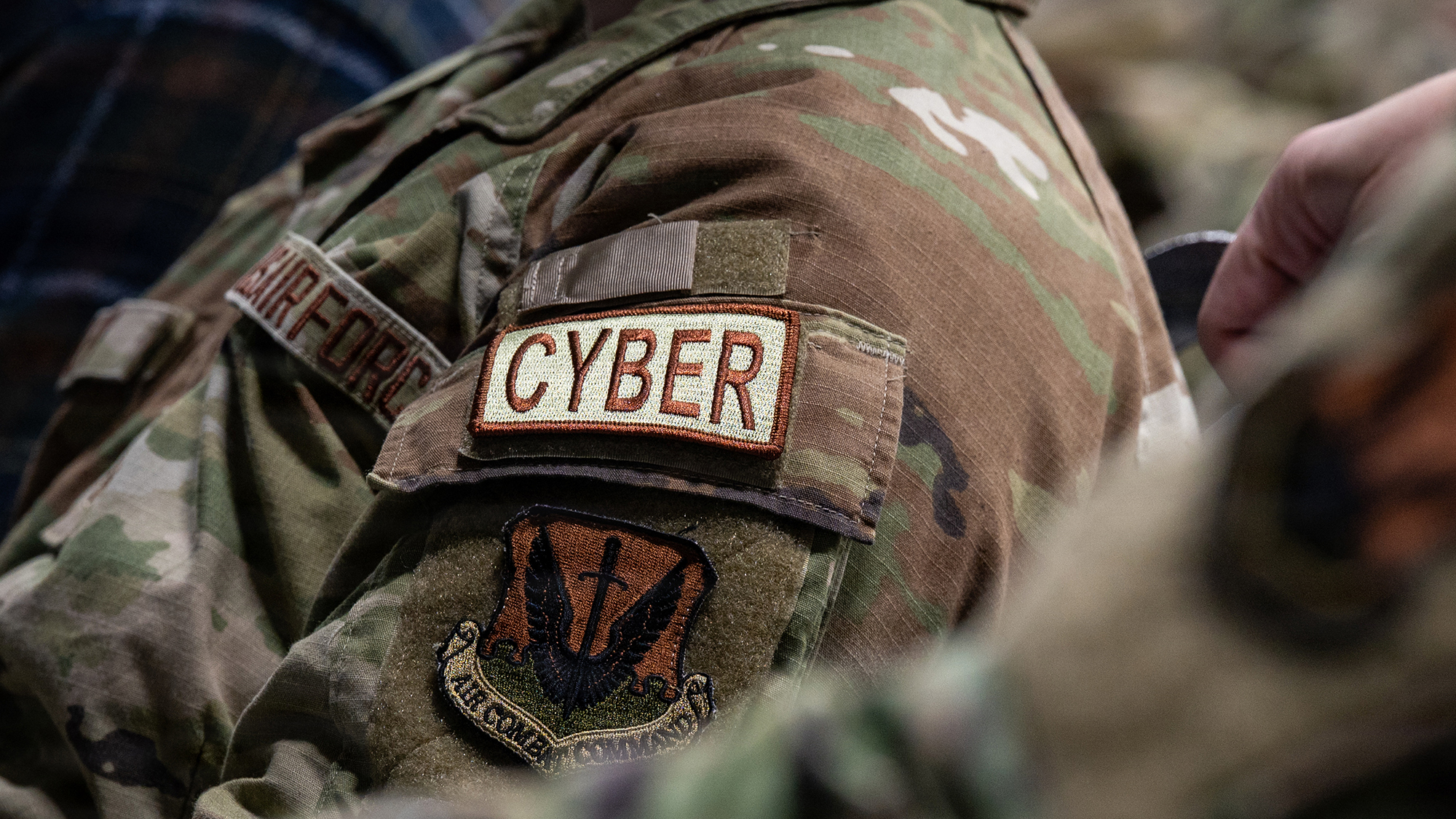
Officers only: New report lays out what a ‘US Cyber Force’ could look like
A new report argues that an independent Cyber Force should be staffed by only commissioned officers and warrant officers to better develop t
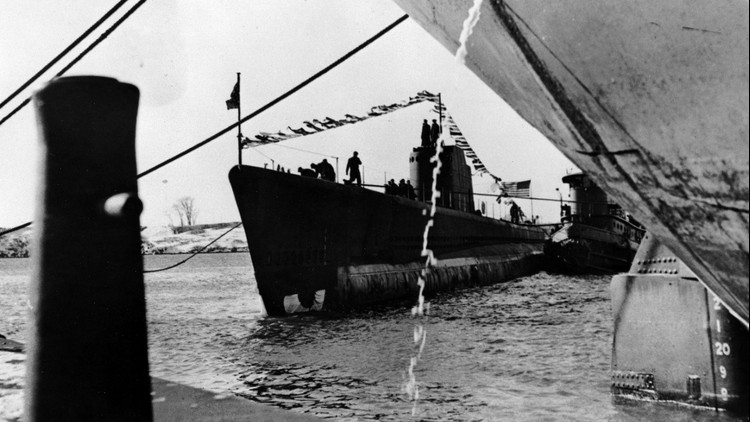
Navy researchers find wreck of World War II submarine that vanished 82 years ago
Nearly 82 years to the day after the USS Herring went missing during World War II, the Navy said it had found the wreck of a submarine that