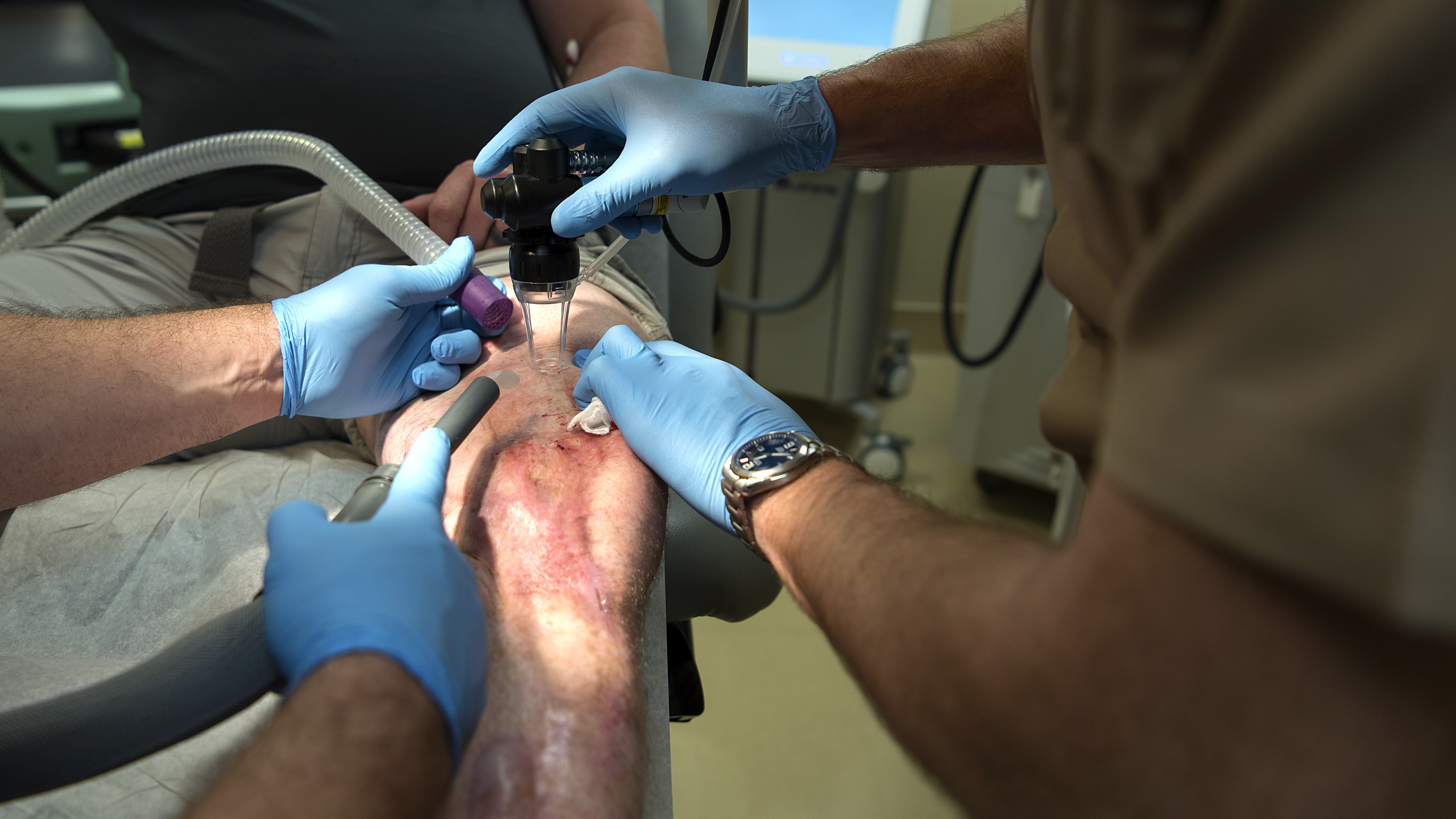
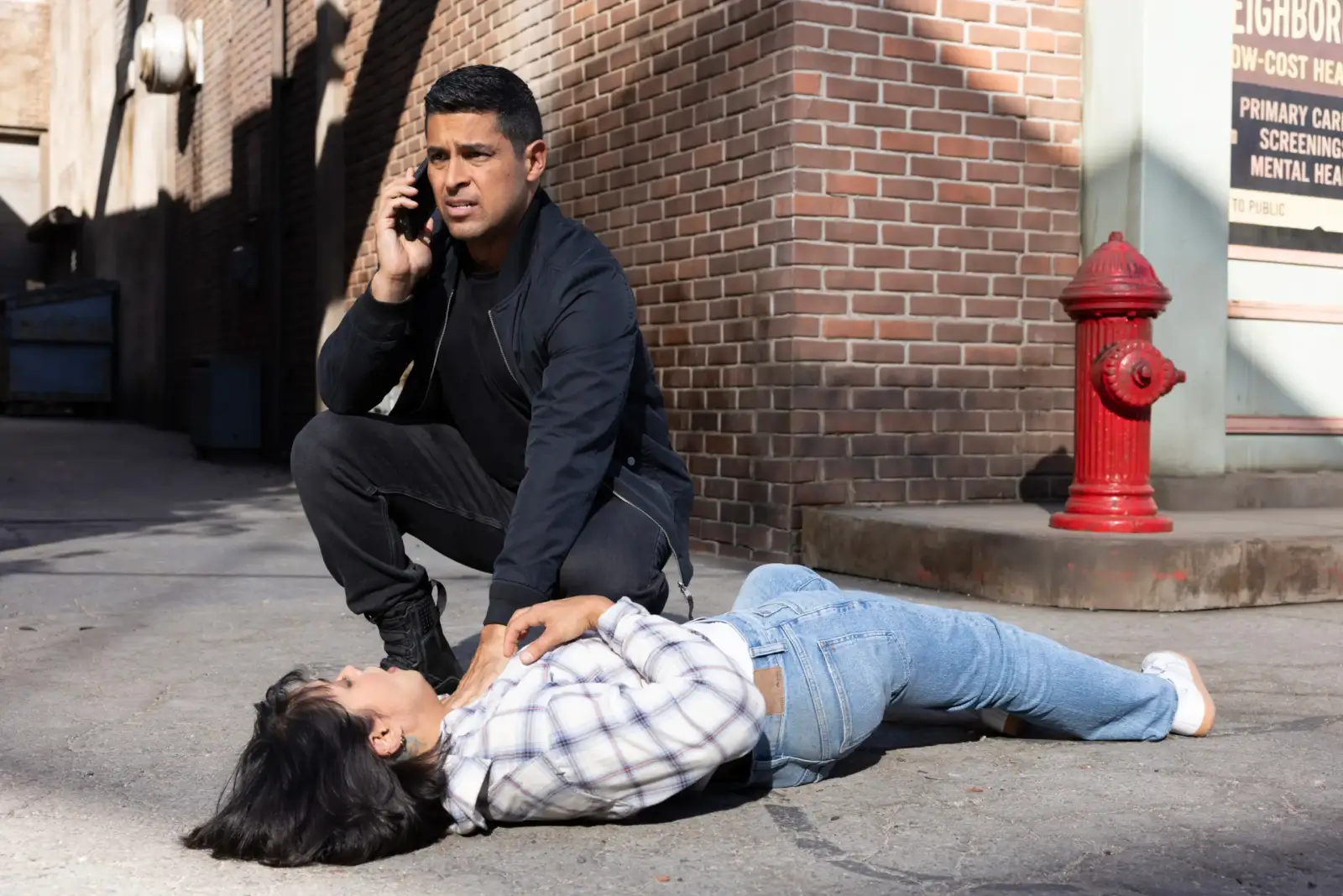
A first look at the new Personal Property Activity replacing the old PCS model
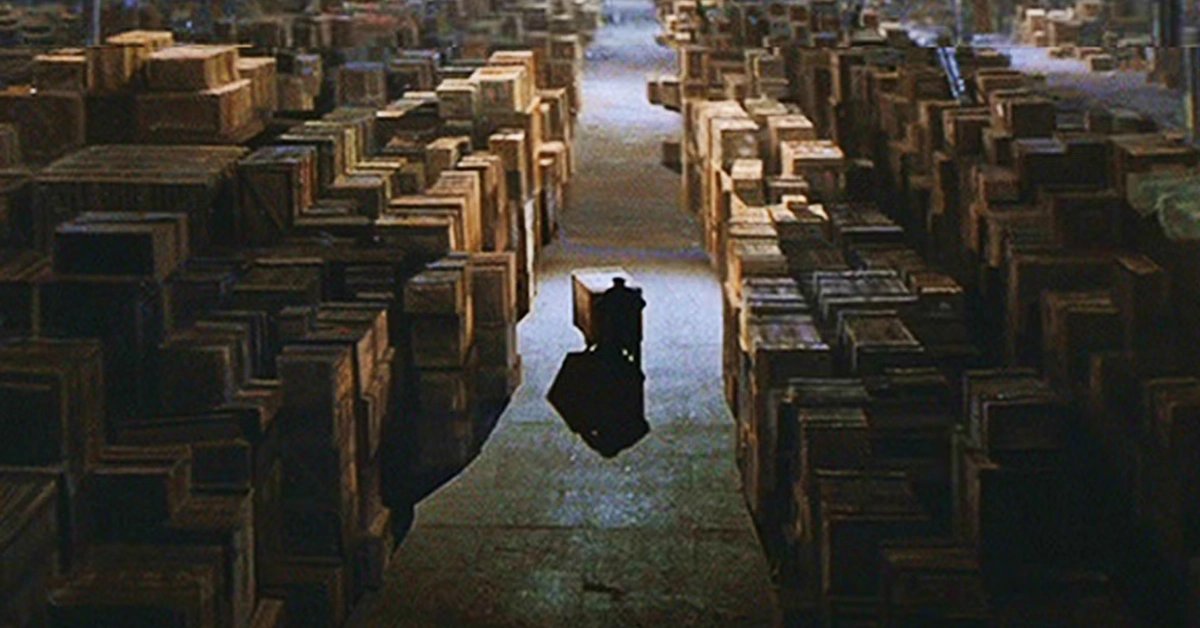
Somewhere inside Scott Air Force Base, Illinois, a 120-person organization is quietly running the most consequential experiment in military relocation since the 1960s. They have been at it for 10 months already, operating as a joint task force. On May 1, 2026, they get a new name, a permanent charter, and a direct line to the Secretary of Defense.
The Personal Property Activity opens its doors into a peak moving season it did not design, inheriting a system it is still being built to replace. This is the first serious structural reform of military household goods moves in over three decades.
While this is also the fourth or fifth time someone has said that, a key difference this round is that the last attempt, a $17.9 billion privatization contract awarded in 2021, collapsed so completely that the Government Accountability Office (GAO) found the Pentagon paid more than $100 million for work that never got done.
If you have orders in hand for this summer, you are the person this agency exists for. You are also the person about to tell us whether it worked.
Dude, Where’s My Stuff
In November 2021, U.S. Transportation Command awarded the Global Household Goods Contract to HomeSafe Alliance, a joint venture between Tier One Relocation and KBR, up to $17.9 billion over nine years.
A single commercial manager would replace about 800 private contractors and introduce accountability to support the 300,000 service members and civilians who PCS every year.
What actually happened? Bid protests delayed the rollout by years. Subcontractor capacity never became a thing. When large-scale moves finally started running through GHC in early 2025, complaints of missed pickups and delayed deliveries built up quickly. By April, the Army had suspended its moves through HomeSafe entirely, and on Jun. 18, the Pentagon mercifully terminated the contract for cause.
A September 2025 report from the GAO perfectly laid out the smoking wreckage: of roughly 20,000 shipments initiated, about 7,400 were pulled back for capacity failures. Over $100 million was spent before finally ending the fiasco, and when GHC-botched moves got transferred back to the legacy system, the surveys went out under the old system, which meant the Defense Department did not have a clean record of what was breaking.
Military families already knew what was breaking. Defense Secretary Pete Hegseth named some of it publicly in January: a cabinet with smashed mirrors. A dresser missing a leg. A German-made clock shattered into pieces. A used toilet brush packed in with a family’s clothes. A soldier who arrived at her new duty station to find her boxes had been packed upside down.
The PPA is supposed to change all this.
PCS May Day
Major Gen. Lance G. Curtis, who has run the task force since mid-2025, becomes the PPA’s first commanding general when it stands up. He reports directly to the Secretary of Defense through the Under Secretary for Acquisition and Sustainment. That distinction is important because under the old structure, household goods moves answered to TRANSCOM, whose day job is moving tanks and troops, not couches.
Accountability was spread across TRANSCOM, the service branches, the installation transportation offices, and whichever commercial contractor was holding the bag that week. Gen. Curtis described it in plain terms: “We had decision by consensus. You needed a single decision maker, and you didn’t have it.”
In total, 74 installation-level Personal Property Processing Offices remain on base, helping you directly. But they now report up to the PPA, not to each service branch. A 24/7 call center at 833-MIL-MOVE, staffed by active-duty personnel who have PCS’d themselves, has fielded roughly 16,000 calls and emails since launching Aug. 1, 2025, per PPA spokesman Army Maj. Matthew Visser.
There are a few concrete policy changes that have already rolled in and carry into the PPA:
The claims window expanded from nine months to 12. For anyone who has ever realized in month 10 that the dining room table was cracked underneath the tablecloth the whole time, that extra quarter is not for show.
Booking for peak season opened March 20 this year, a full month earlier than in previous cycles. Per diem for mover-caused delays now extends to dependents at up to 75% of the service member’s meals-and-incidentals rate, paid by the carrier, not you.
Personally Procured Move reimbursement has returned to 100% of the government-constructed cost after spiking to 130%during the 2025 crisis. Dislocation Allowance rates went up 3.8% for 2026.
What’s Not Under Control
Remember, PPA does not control your orders. Delayed orders, EFMP timing snafus, hastily changed reporting dates, and the housing market at your gaining installation are not within the agency’s authority. The PPA does not control OCONUS customs or host-nation rules either; overseas moves remain bound by timelines the Pentagon does not fully set.
And the PPA does not control wartime gate security: As of early April 2026, moving trucks from San Diego-based Republic Moving and Storage are averaging 90-minute wait times at installation gates because the Trusted Traveler Program, which lets DoD ID holders vouch for passengers, has been suspended under heightened security posture.
10 a.m. pickups becoming 1 p.m. pickups is not a minor inconvenience when you are trying to stage a house, manage a landlord, and get kids to the final day of school. A PPA spokesman said the agency is “considering all feasible options” to reduce wait times while maintaining installation security protocols. That is a diplomatic way of saying that the agency that opens on this May does not yet have this resolved.
What You Can Control
Book as early as possible. Capacity is tight, wartime delays are real, and early booking is the single highest-leverage thing you control. Document before you begin packing. Video walkthroughs, photos of serial numbers, and written inventory you hold separately from the carrier’s could save your bacon if the worst should happen. File your claims through the Defense Personal Property System within its 12-month window, and start that paper trail the same day something shows up broken.
If your installation transportation office is not moving a problem along at a reasonable pace, the call center is your first step in escalating. The PPA built the system precisely so you would have a path to resolution. Call 833-MIL-MOVE or email PCSCallCenter@mail.mil.
The First Real Test
The PPA is the most serious institutional fix attempted in a generation. It has a single accountable commander. It reports to the top of the building, therefore it owns the problem end-to-end in a way no organization before it ever has—but none of this guarantees your pack-out goes smoothly.
Measuring whether this reform worked is neither the ribbon-cutting at Scott Air Force Base on May 1, nor is it the press release announcing the reorganization: It’s whether the family arriving at Fort Campbell, Ramstein, or Yokosuka in August has their stuff, in one piece, and on time.
You know it works when the soldier at Fort Bliss who files a damage claim in September hears back within weeks, not months. Most Pentagon reform efforts on moves have come and gone with the same cadence as any other Pentagon reform effort.
This one has more structure than its predecessors , but is opening for business during a wartime security posture, in the middle of a peak season it did not design, carrying the weight of a failed privatization contract that cost taxpayers a hundred million dollars and cost some of our families their heirlooms.
We watch and wait to see whether history repeats itself.
Don’t Miss the Best of We Are The Mighty
• Some military forces call autism a disqualifier. The IDF calls it an advantage. • The God-Switch: What Elon Musk’s Starlink can actually be used for • The M113 armored personnel carrier was supposed to be obsolete
When the Secret Service shot at an Army helicopter at the White House
The weapons seen at the White House Correspondents Dinner shooting
4 Ghosts that still haunt the National Museum of the US Air Force
The history of Rip It, the beverage that fueled the War on Terror
World War II
This is why the 1st Marine Division ships out to ‘Waltzing Matilda’