Air Force can’t quit the A-10 Warthog, extends service into 2030
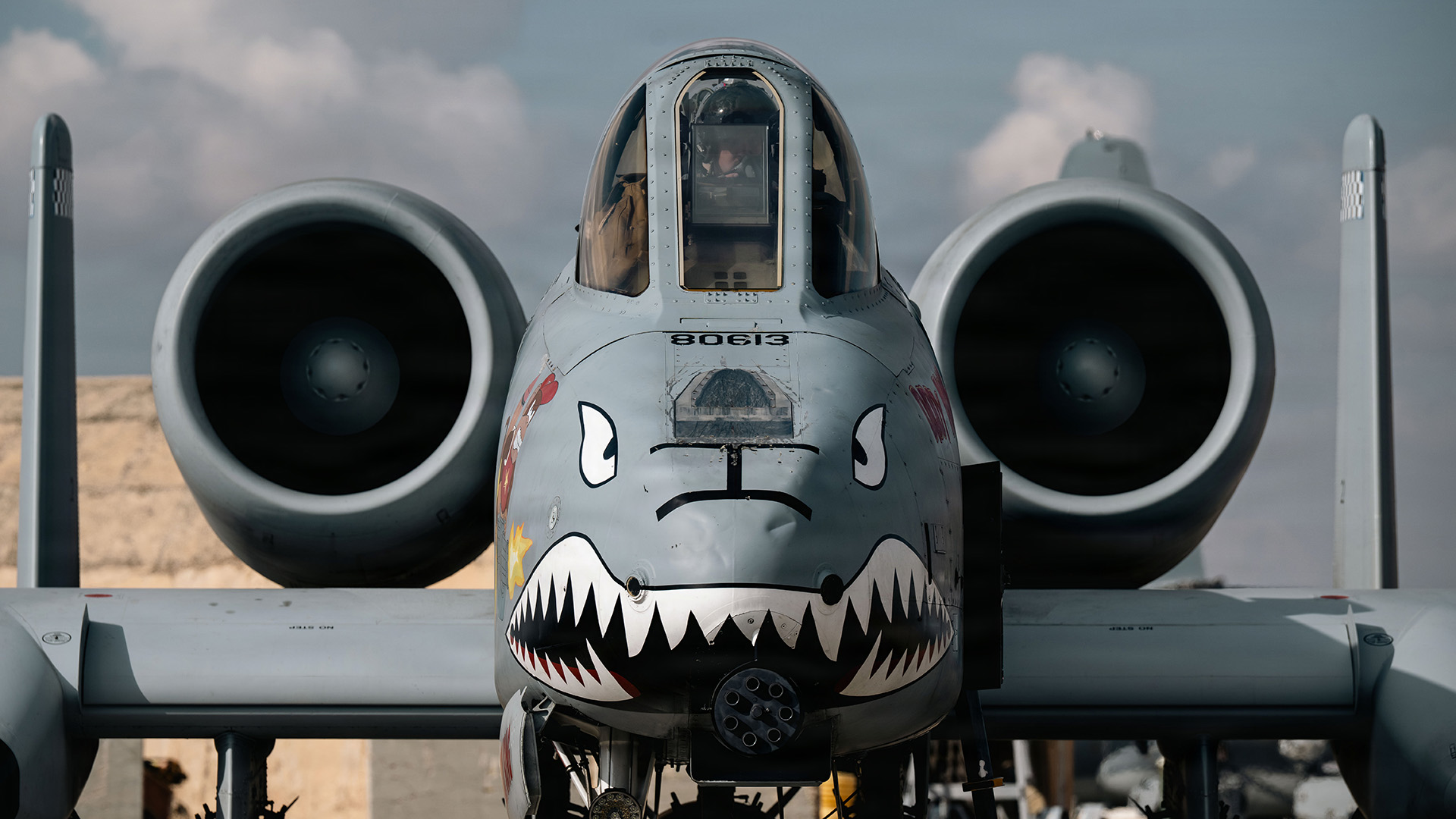
The Air Force’s long-beloved, flying tank of a plane, the A-10C Thunderbolt II, got yet another stay of execution Monday, when Secretary of the Air Force Troy Meink announced that the “Hog” will keep flying through 2030.
Beloved by generations of ground troops and attack pilots alike, the A-10 was set to fully end operational service by the end of 2026. The Air Force has been closing A-10 squadrons for the last several years, and the service graduated its last class of A-10 pilots at Davis-Monthan Air Force Base in early April. Crew chiefs at the base even sported patches marking the end of an era. The Air Force also ended depot-level maintenance for the airframe at Hill Air Force Base in Utah, with the maintenance squadron that took care of the A-10s deactivating.
The service began trying to retire the A-10 more than five years ago as unsuitable for operations in the Pacific.
“If it doesn’t threaten China, why are we doing it?” said Air Force Secretary Frank Kendall in 2021.
However, the rumors of the demise of the A-10’s low-and-slow air support role began to sound premature during the recent Iranian conflict. The jets were back in action in March, using their unique 30mm GAU-8/A Gatling gun cannon to attack Iranian speedboats around the Strait of Hormuz. The planes were also at the heart of a full-throttle rescue mission on April 3 to retrieve the pilot of a downed F-15E. Chairman of the Joint Chiefs of Staff Gen. Dan Caine said A-10s were “violently suppressing and engaging the enemy in a close-in gunfight” as helicopters sped toward the pilot.
One A-10 of what was reported to be at least seven on that mission was damaged, and its pilot ejected after flying safely out of Iranian airspace.
Top Stories This Week
Marines on way to Middle East seen using rifles with anti-drone smart scope
How a Navy photographer snapped an iconic Artemis II astronaut photo
Specialist and sergeant win Best Ranger competition for first time in nearly 40 years
Meink said that the decision came after discussions inside the Pentagon.
“This preserves combat power as the Defense Industrial Base works to increase combat aircraft production,” Meink wrote in his post. He did not specify which in-production “combat aircraft” might be intended to replace the A-10.
He added, “More to come.”
Stub-nosed and relatively slow for a jet fighter, the A-10 entered service in the late 1970s, designed as a low-flying, tank-killing attack plane built to take on Cold War-era Russian tank formations. The A-10 saw action against air and ground forces in the Gulf War and then in the Balkans during NATO operations in the Yugoslav wars.
The plane’s tank-killing 30mm gun fires at 3,900 rounds per minute, producing a “brrrt” sound that was a battlefield favorite of ground troops for almost two decades in Iraq and Afghanistan. The A-10’s wings can also carry more heavy ordnance than a traditional fighter, with 11 pylon stations for bombs, rockets, and other weapons.