Does mental health care risk a military career?
When a soldier steps into a therapist’s office, they do so only after walking through a cloud of concerns: Do I look weak? What will my command think? The other troops? Wait, am I weak?
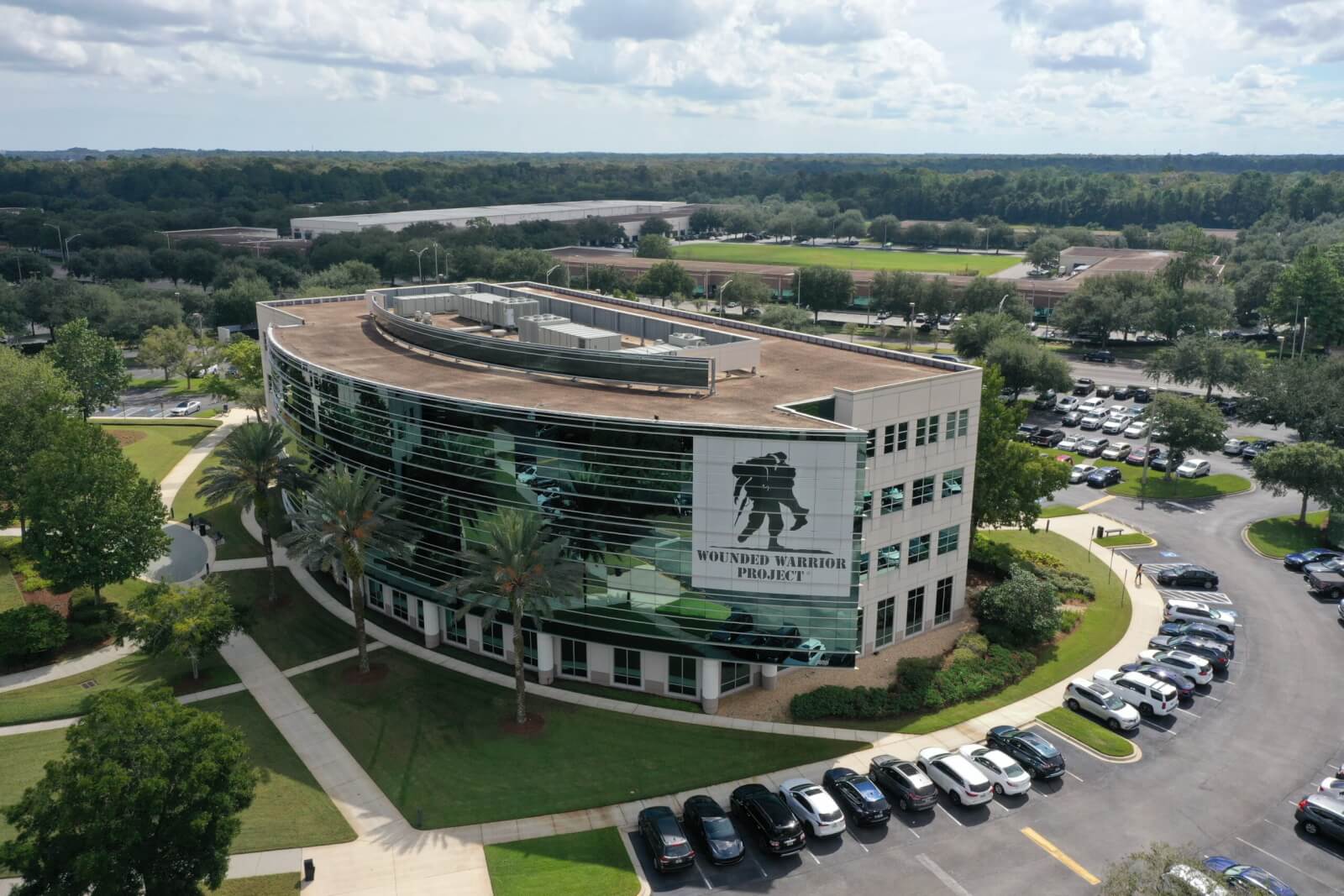
“Many service members sort of feel that in presenting for mental health care they in some way, shape, or form are not reliable, they are not professional, they are broken,” said Lindsey Gray, suicide prevention training manager for the Wounded Warrior Project.
But behind all the deep-seated cultural stigma surrounding mental health care in the military stands a more practical concern: What will this mean for one’s military career? That fear, say mental health advocates, is unfounded — mostly.
“Not too long ago, there were some repercussions, and while that climate is changing, there is still a pretty big concern [among those serving],” said Gray.
When questioned about mental health stigma in the military, Defense Health Agency (DHA) officials were clear: The Military Health System “is committed to ensuring service members and their families have access to the services they need to take care of their mental health,” pointing to its Mental Health Hub as a starting point to “find their footing and get back on track.”
But despite these assurances and resources, the fears remain.
“People still have a lot of concerns … that if they reach out for help, that it will affect their readiness, whether they’ll be able to deploy, whether they might lose their weapon, whether it will impact their career advancement,” said psychologist Dr. Amy Williams, chief clinical officer for The Headstrong Project.
Williams is quick to point out that while, yes, some mental health crises and struggles merit significant interventions, those are rare. Most day-to-day mental health concerns experienced in uniform are manageable, with little impact on one’s career, other than a stronger, more resilient warfighter.
“Most people who are struggling are not a harm to themselves and are not a risk to their unit,” she said.
Inside the military, the DHA has pushed to normalize mental health care across the ranks. Its Mental Health Hub directs service members to a range of programs, including Targeted Care, a new process that connects troops to individualized group and virtual therapy; BRAVE, a telehealth program operating in “more than 100 locations around the world”; and the confidential inTransition mental health program that supports troops during disruptive events, such as PCS moves, separation or retirement.
At the forefront of the military’s mental health efforts is the Brandon Act, which President Joe Biden signed into law in 2021. DHA officials say it “empowers service members to receive the help they need” through confidential mental health referrals.
“The purpose of the Brandon Act is to reduce the stigma associated with mental health,” officials said.
Service members are also turning to outside advocacy organizations, where they find off-the-record peer support and simpler paths to care. While these agencies don’t replace active duty, in-house mental health care, they do lower some of the barriers and stigma.
“Organizations like Wounded Warrior Project work deliberately to counter that stigma by reshaping how help-seeking is viewed and lowering those barriers,” said Gray. “We also try to encourage that peer-to-peer connection.”
Headstrong, said Williams, zeroes in on the “first year after separation … because we know that that’s a high-risk time for people in terms of suicide. So we kind of targeted that as an area where we wanted to lean in.”
Williams noted that coalitions of military and veteran advocacy organizations are coming alongside the Armed Forces and VA in providing mental health care. She highlighted the Bush Institute’s Veteran Check-In, which is a “one-stop shop” for those seeking care, and USAA’s Face the Fight, which funds programs and fosters partnerships between agencies.
“There’s so much help out there that I would just urge people to reach out sooner and not wait until it becomes a crisis,” said Williams. “Most of the time if you’re reaching out when you’re first struggling, you’re going to be able to save your career.”