The Algorithm vs. The Base House: The silent grief behind the ‘Curated Homefront’
I grieve a life I will never get to live, at least not as a military spouse.
Late at night, when the house is finally quiet and my brain has begun to downshift from running in a constant state of fight-or-flight mode all day after solo-parenting two wild toddlers while my oldest daughter is at school, I crash into a king-size bed next to a cold, empty spot and let the doomscrolling commence.
Instagram lights up my screen like the toxic mirror she is, and suddenly everyone is overselling a reality I am certainly not living.
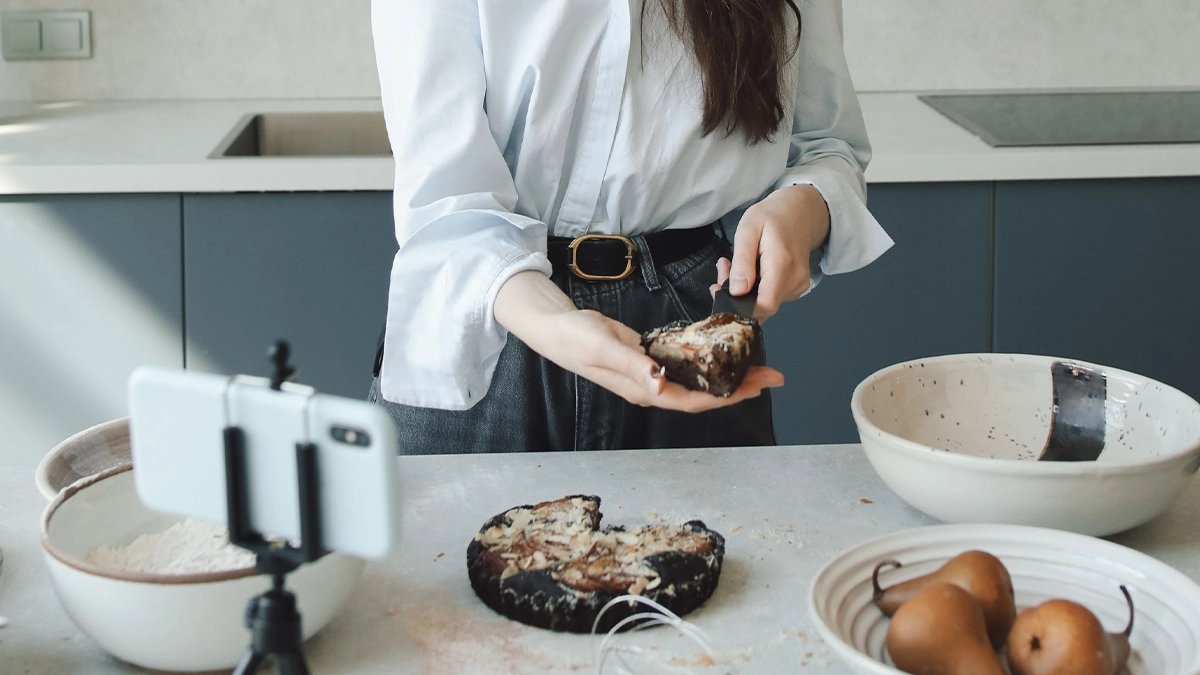
My feed is flooded with hyper-curated kitchens, idyllic country homesteads, wrap-around porches, and lush perennial flower beds that took five uninterrupted years to bloom. It’s serene landscapes, slow morning coffee overlooking rolling acreage, and an effortless, insufferable domestic peace. They get to cultivate lifelong sanctuaries; we get base rentals where you don’t dare plant anything deeper than a potted patio plant because you’ll just have to uproot your entire life in 24 months.
There’s Nara Smith making bubble gum and cereal from scratch in designer silk gowns. There’s Nabela Noor staging soft-lit “pockets of peace” across pristine marble countertops. Millionaire military spouse influencers are showing off sprawling, custom-built estates. We’re told to admire the aesthetic, double-tap the serene morning routines, and soak in the inspiration.
Instead, I stare at my phone in the dark, feeling a quiet, hollow ache in my chest. Grief seeps in, and on the harder days, resentment takes its place.
View this post on Instagram
All I see on that glowing screen is the alternative universe we traded away: linear careers, permanent roots, and predictability. For civilian women, social media frames staying home as an enviable “soft life” flex or an intentional, romantic rebellion against the corporate grind. But for an everyday military spouse, being home isn’t an aesthetic lifestyle choice. It is an operational mandate.
It’s the math we’re forced into when PCS orders deliberately nuke our resumes every two to three years. It’s what happens when base Child Development Center waitlists drag on for a year, and civilian daycare costs rival an entire active-duty paycheck. It’s what happens when we have to rebuild our village continuously to stay afloat.
With military spouse unemployment persistently hovering over 20%, most of us didn’t leave the workforce to find spiritual fulfillment in a sourdough starter; we stepped back because keeping a career alive across state lines and countries, with zero built-in childcare, is an economic impossibility and logistical nightmare.
The bitter irony is that civilian culture views the stay-at-home mom through the lens of luxury and vintage domestic tranquility. At the same time, the military institution relies on our free, unissued labor just to keep the flight schedule moving. We aren’t curating a tranquil lifestyle; we are absorbing the blows so our partners can walk out the door and focus on the mission.
Behind base gates, there is no soft focus, only survival mode.
That leaves zero bandwidth for civilian luxuries like gentle-parenting a house cow or hosting candlelit dinner parties in a perfectly landscaped mansion. Influencers stage peace and convenience; we run psychological triage. My day isn’t spent romanticizing housework in soft linen; it’s spent navigating broken military healthcare, running an entire household on zero backup, and swallowing my own exhaustion so my tiny humans don’t see me breaking at the seams.
Worse than the logistical circus is the quiet chokehold of the calendar.
Instead of planning magical core holiday memories, my husband and I are staring down another deployment. While he is upstairs packing flight suits and tactical gear into duffel bags, I’m downstairs at the kitchen counter rehearsing the speech I have to give our kids. How do you look your kids in the face and explain why their dad has to leave after barely walking back through the front door? How do you tell them he’s missing Thanksgiving and Christmas while making sure your own voice doesn’t crack? You swallow the panic, paint on a steady face, and carry the domestic fallout alone so he doesn’t carry family stress into the cockpit.
And when the weight threatens to crush us, what does the community hand us?
“Resilience” on a silver freakin platter.
The military treats that word like a magic wand. They print it on pastel pamphlets and praise it at spouse socials because gentle-parenting military families with slogans is far more convenient than taking accountability for the conditions that make resilience necessary in the first place.
“Bloom where you’re planted” has become our community’s favorite mantra—the little phrase we cling to so we can romanticize a life that often feels completely out of our control. We slap it on wooden signs, print it on planner covers, and repeat it ad nauseam every time another set of orders pulls the rug out from under us. It’s our way of putting a pretty face on the chaos: convincing ourselves that if we try hard enough, stay positive, and put fresh flowers on the counter, we can make base housing and another solo-parented deployment feel like an intentional lifestyle choice.
But our endurance shouldn’t require a performance. Living in constant survival mode isn’t a spiritual awakening; it’s just exhausting, and you aren’t failing because you can’t make constant disruption feel graceful.
“We aren’t curating a tranquil lifestyle; we are absorbing the blows so our partners can walk out the door and focus on the mission.”
The resentment that creeps in during those midnight scrolling sessions isn’t about petty jealousy or tearing other women down. Nara Smith and Nabela Noor are savvy entrepreneurs building empires on aspirational escapism. The real sting comes from the contrast between their curated calm and our ground-level triage. It’s the grief of mourning a version of yourself that had room to breathe, while holding down an unpredictable homefront on a government budget.
So how do we survive the algorithm when they get to build permanent sanctuaries, and our everyday reality isn’t an enviable aesthetic, but daily operational damage control?
First, we have to stop grading our survival against someone else’s production set and highlight reel. An empty sink, home-baked bread, and a peaceful living room are easy to achieve when you have a full support team, generational roots, and a spouse who sleeps in the same bed every single night. Managing a home during a deployment isn’t supposed to look like an interior design magazine. Sometimes success is cold dino nuggets on paper plates, three kids asleep before 8:00 PM, and surviving the evening without crying in the pantry.
I love the man who wears the uniform, and loving him fiercely means I will keep holding down this fort. But loving someone in service doesn’t require us to perform toxic positivity or pretend that survival mode is a picturesque lifestyle choice.
It’s time to close the app, turn off the screen, and drop the pastel disclaimers. We don’t need an algorithm to validate our worth, and we sure as hell don’t need to apologize for being exhausted by a life that demands everything we have.
Don’t Miss the Best of We Are The Mighty
• I restarted my career after every PCS for 10 years. A 5-week certification ended that. • What we learned from the last surviving Civil War milspouse • Military spouse business owners shouldn’t have to start over online with every PCS
Mighty MilSpouse
The Algorithm vs. The Base House: The silent grief behind the ‘Curated Homefront’
By Alexa LeCureux
A dramatic presidential pardon saved the ‘Sleeping Sentinel’ at last minute
Our troops can get ballots by email. Why can’t they send them back?
Navy honors Naval Special Warfare with its 2026 Army-Navy Game Uniforms
‘BullyJuice’ ran PT for the Air Force. Now he runs PT for millions of iFIT members.