The Longest Drive: What my godsons taught me about saying goodbye
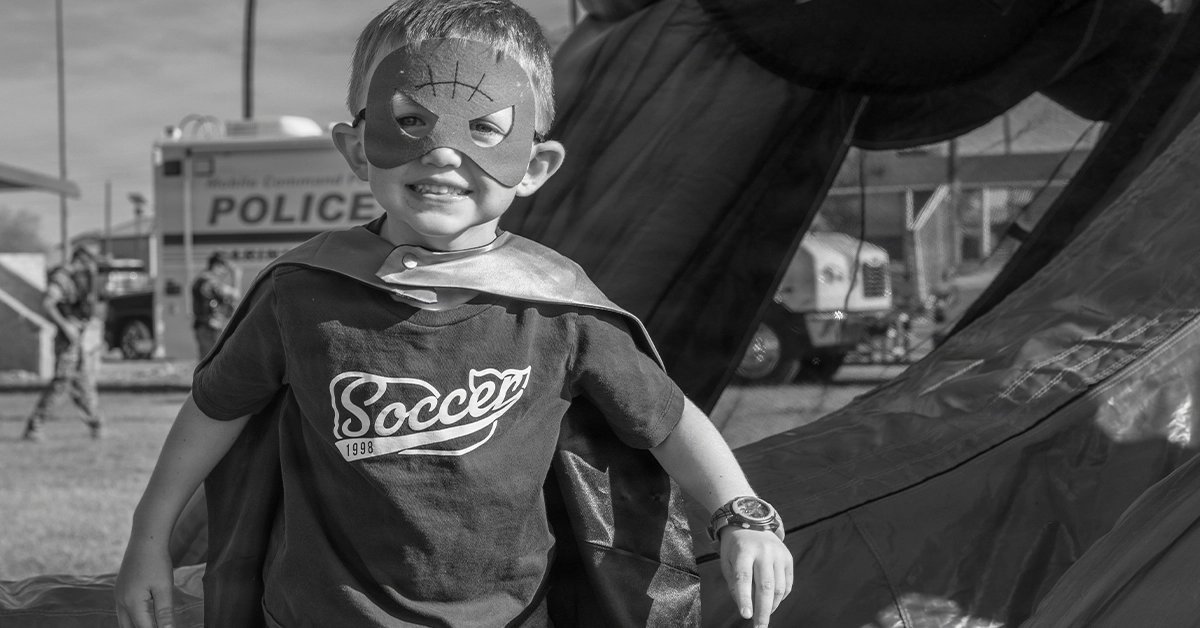
Traffic was at a standstill as an accident, combined with the early morning rush to get to work in the capital city of Columbia, S.C., brought the usually routine drive of dropping off two young, middle school-aged boys to school to an abrupt halt.
Just one day earlier, the boys had learned that their father, a member of the United States Army, was being transferred to a post in Germany. In their two-plus years living in the nearby town of Camden, these boys, this family, had become part of the fabric of the community.
Along with their other brothers (the “middles” as they referred to themselves) were involved in sports teams and other programs, church and various organizations while also being visible throughout the town while riding their bikes or taking on odd jobs in the neighborhood—mostly helping older residents with various chores and tasks, but mostly visiting and spending time with neighbors.
On this morning, the driver and friend of the family posed the question to the boys, “Are you looking forward to moving to Germany?”
The older of the two, usually the more quiet and reserved of the pair, was quick to answer. “I think it will be fun. I want to go.”
The younger of the duo was more cautious in providing his response.
“I don’t know,” he replied as he had just woke up from a brief nap. “If we go, I’m going to have to get my parents to get me a cell phone so that I can talk to you every day.”
The latter response was one which turned me, the driver, into, for lack of a better term, “mush.” That is not the type of answer you would get from kids these days. It humbled me and made me realize just how special these boys and military children are.
Their ability to adapt to change and roll with the punches is all but non-existent as compared to “regular” kids who may move once or twice in their lives and, usually, those times within a few miles of the community where they were raised. The middles had already lived in four different states before their older of the two had reached his 12th birthday.
It is during innocent conversations such as this that you truly understand just how special military children are. Their respective answers were all-encompassing for what they have been through and how they must adapt.
On the one hand, there is the exuberance and excitement of moving to a new country, experiencing a new culture and the adventures which lie ahead. On the other, there was the sense of leaving someone or something behind which you have come to know, understand, and trust.
It is enough to make a grown man ask himself how would he react if being placed in a similar situation when the rug is pulled out from under him in the blink of an eye. It is just another reason to shake your head in amazement as to the adaptability of these young boys—and girls—when a change is about to be made.
It is a trait unlike many young children have when it comes to dealing with your world being turned, if not upside down, then at least a bit askew. That, though, is an almost regular occurrence when it comes to what our military children face on any given day.
“The middles had already lived in four different states before their older of the two had reached his 12th birthday.”
Years from now, I doubt either of those boys will remember the traffic jam outside Columbia that morning. They probably won’t remember exactly what they said in the backseat, either.
But I will.
I’ll remember the excitement in one voice and the hesitation in the other. I’ll remember that one little sentence that stopped me in my tracks:
“I’m going to have to get my parents to get me a cell phone so I can talk to you every day.”
It wasn’t about getting a phone. It was about connection and a child trying to hold onto someone he loved while preparing to let go of everything familiar.
That’s the reality of military childhood. These children don’t just move to another home—they leave teachers, teammates, churches, neighbors, classmates, friends, and people who become family. Then they do something many adults struggle to do; they unpack, begin again, and somehow find the courage to build another life, taking their memories with them, then get to work curating more that will shape their worldviews and broaden their minds about relationships.
As their Godfather, I couldn’t have been prouder of them that morning. Not because they were excited about Germany or because they were willing to move once again. I was proud because they reminded me that courage isn’t always loud.
Sometimes courage sounds like an 11-year-old quietly wondering how he’ll keep talking to someone he loves, a world away.
Don’t Miss the Best of We Are The Mighty
• Free, flexible ideas to keep military kids engaged this summer • 7 hacks for the hard truths about raising kids in a dual-military household • A simple list of military child and family support resources for trying times
Mighty MilSpouse
Mighty MilSpouse
The Longest Drive: What my godsons taught me about saying goodbye
Mighty MilSpouse
Viral post offers hysterical ways to ragebait your service member—the comments are even funnier
Mighty MilSpouse
Georgia families slam privatized military housing for dangerous living conditions in new report
Mighty MilSpouse
Military families still struggle with food insecurity, housing, and dwindling savings
Mighty MilSpouse
Overqualified, underemployed, and still showing up: the military spouse employment challenge
By Sara Jane Ginn