VA Research Wrap Up: New findings on bone grafts, Alzheimer’s disease and diabetes

VA’s Office of Research and Development recently published three News Briefs highlighting research findings on new technology to improve bone grafts, how depression affects Alzheimer’s disease and a diabetes risk score
Infection-resistant bone graft invented
VA researchers in Salt Lake City incorporated low concentrations of copper, known for its antibacterial properties, into fluorapatite to create infection-resistant bone and dental implants.
Fluorapatite is a mineral with potential as synthetic bone graft material, but bone grafts often fail because of bacterial infection. In testing, the copper-infused material successfully limited bacterial adhesion and preserved bone regeneration. Previous attempts at using copper to reduce infection risk in bone grafts proved toxic to bone-growing cells, called osteoblasts, but the researchers identified the correct concentration of copper to avoid this problem while still limiting bacterial growth.
Depression increases Alzheimer’s risk
VA San Diego and Greater Los Angeles researchers learned that Veterans with mid- and late-life depression have an increased risk of Alzheimer’s disease and related dementias (ADRD).
The study included 20 years of electronic health records data from more than 700,000 Veterans. Those with a depression diagnosis before age 60 had more than 250% greater risk of developing ADRD than those without, while those diagnosed after age 60 had a 70% higher risk of ADRD. The link between depression and ADRD was independent of traumatic brain injury or PTSD status. The findings emphasize the need to screen Veterans with depression for cognitive changes, especially those diagnosed in mid-life.
Improved diabetes risk score factors in ancestry
Philadelphia VA researchers were part of an international team that created a new genetic risk calculation for diabetes that has greater accuracy for Veterans of European, African, mixed American, South Asian and East Asian ancestries.
While there are multiple genetic risk scores for type 2 diabetes, roughly 70% of them only used genetic data from people of European ancestry. The researchers used the genetic data of 2.2 million people from three different datasets, including VA’s Million Veteran Program, to create a new risk prediction score that was more accurate than single-ancestry scores. This genetic risk score, which the researchers have made freely available, could improve diabetes risk prediction for people across the world and improve diabetes prevention strategies.
For more Office of Research and Development updates, visit ORD online or go to https://www.research.va.gov/news_briefs/.
Related Health stories
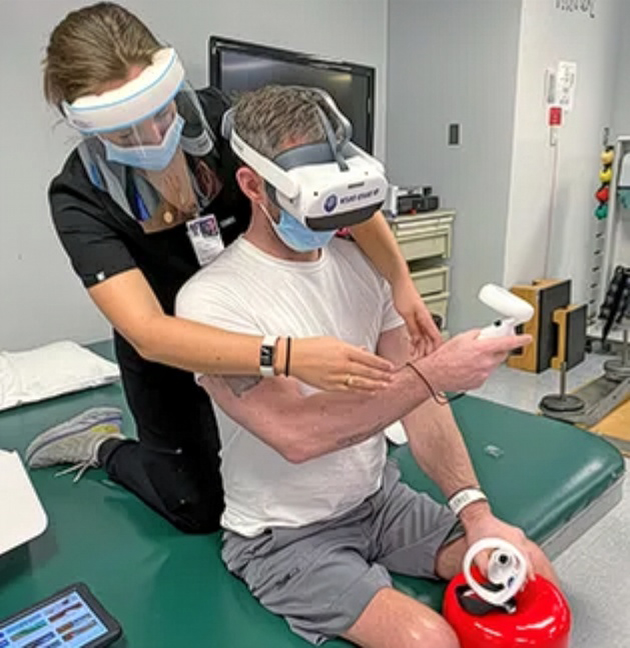
Virtual reality pain treatment expands for veterans
The Department of Veterans Affairs is expanding access to a U.S. Food and Drug Administration-authorized virtual reality (VR) therapy design

Live Whole Health #320: You deserve a break
Do you spend hours jumping between screens, messages and tasks during the day? Over time, this can make your mind tired and your body stiff.

First in VA to receive cutting-edge epilepsy treatment
A groundbreaking laser procedure offers a safer option for epilepsy treatment Back in 1980, when Robert Lindemann decided to enlist in the A