Why moral injury could be a signature wound of the AI battlefield
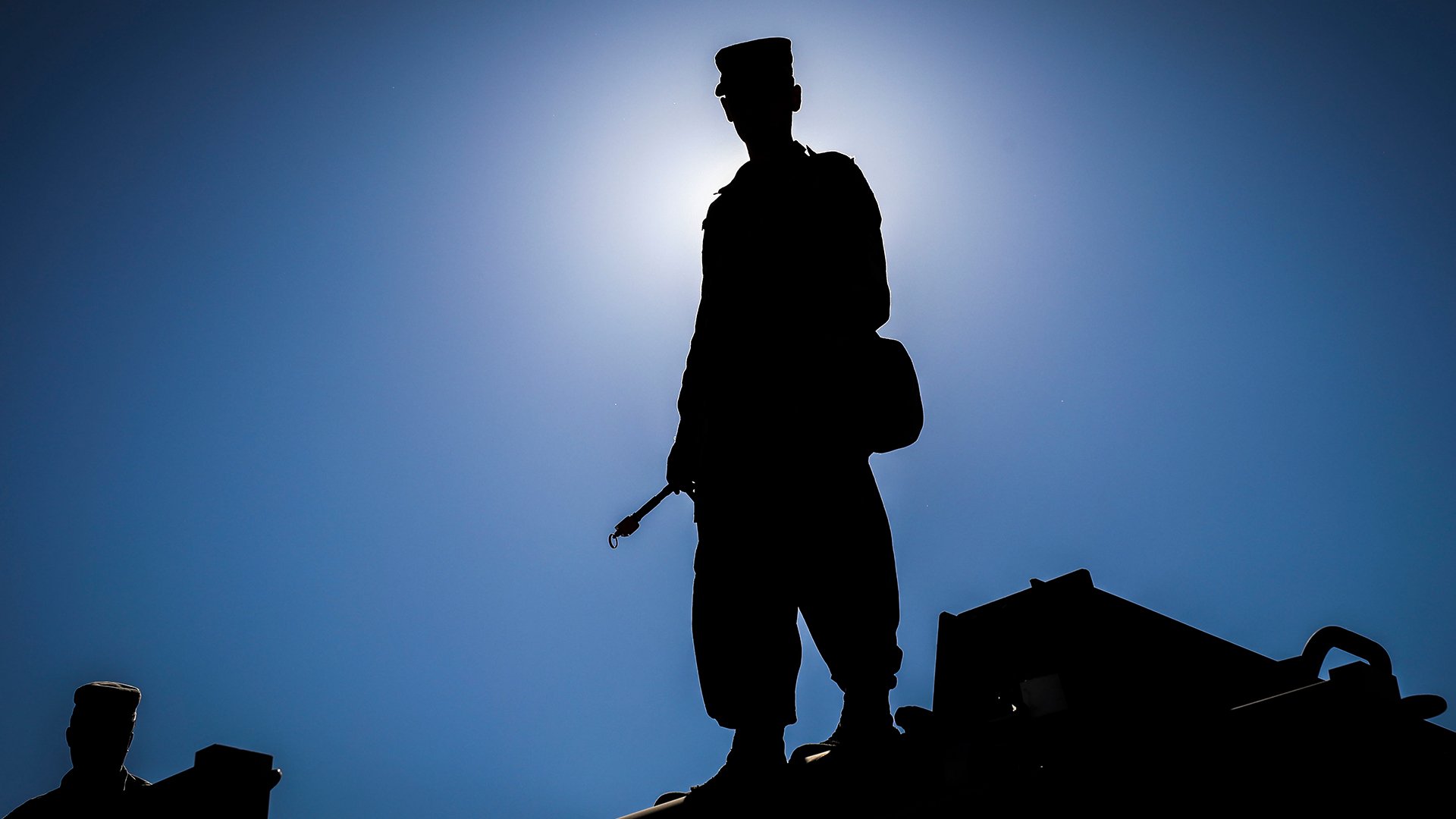
As artificial intelligence and autonomous weapons increasingly shape the battlefield, military chaplains are considering how AI’s growing use will weigh on the morality and spirituality of service members.
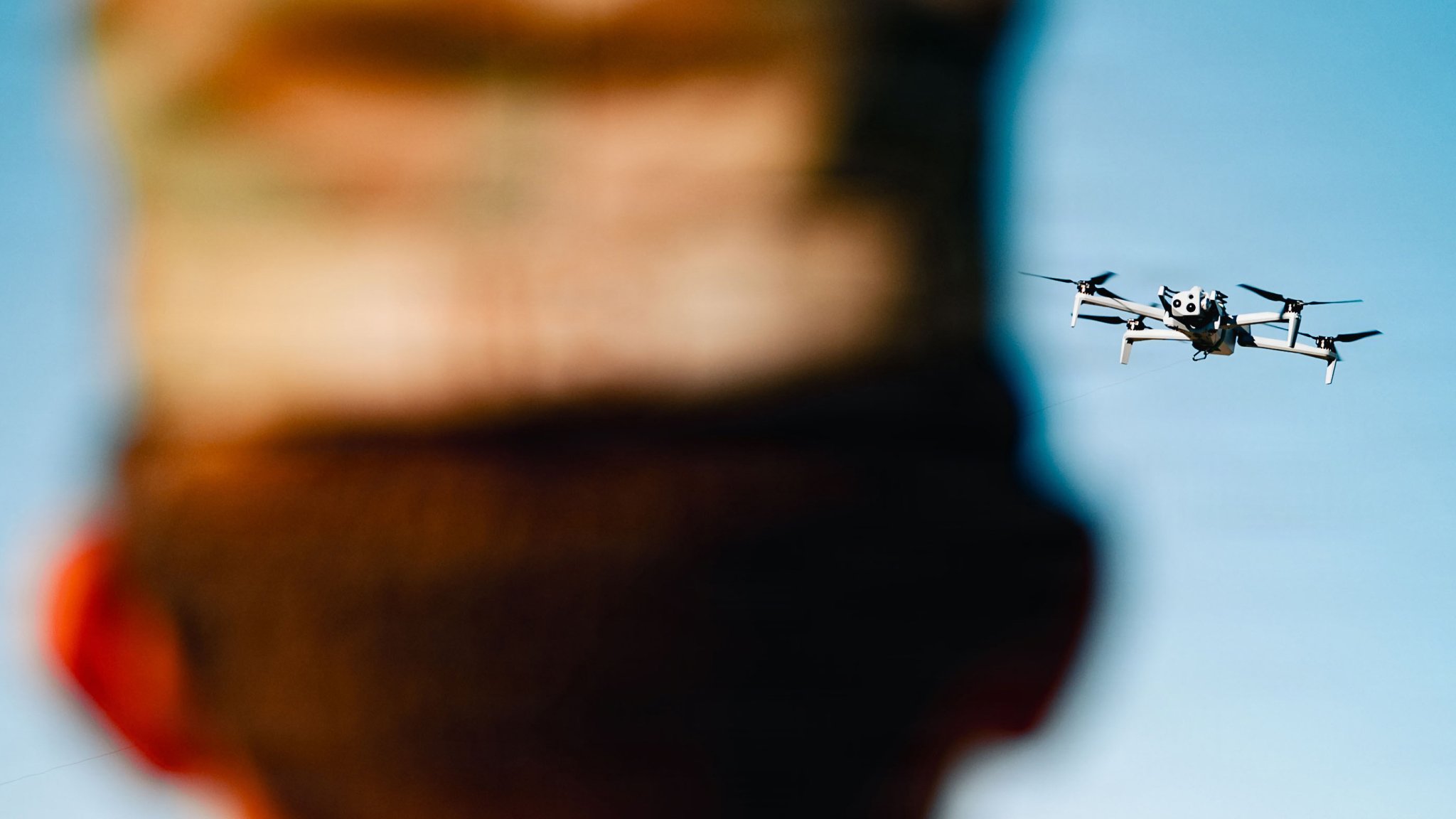
Earlier this month, some chaplains in U.S. Army Europe and Africa attended a conference aimed at navigating the moral or spiritual impacts of military missions increasingly intertwined with AI. The training covered the dissociation of flying first-person-view drones in combat and how automated systems could leave troops less time to consider the moral consequences of their actions.
Though the conference was small, experts say addressing moral injury from AI and drone warfare will have to grow significantly.
Jesse Kirkpatrick, Ph.D., a research professor at George Mason University in Virginia who studies military ethics, autonomous weapons and moral injury, said faster AI-assisted decisions could leave service members responsible for actions they felt they had little meaningful control over.
“You could imagine moral injury arising from too little agency or from nominal responsibility without genuine control,” Kirkpatrick said.
He described a “paradox of distance,” where drone operators could be physically removed from the battlefield while becoming intimately familiar with people they observed through high-resolution cameras, sometimes watching them for extended periods before and after a strike.
Kirkpatrick gave a hypothetical example of an operator watching someone plant a bomb in the morning, buy milk in the afternoon, and teach their children soccer in the evening before eventually participating in a strike against that person.
“They made that killing up close and personal,” Kirkpatrick said.
But whether AI actually increases moral injury — which is often defined as mental and moral damage from participating in or witnessing actions that violate moral or ethical beliefs — remains an open question, he cautioned. Kirkpatrick said the military needs more research and testing to understand how different systems affect the people operating them.
Top Stories This Week
Army weighs baseball caps, rank insignia on the collar, and other uniform changes
Air Force to create new career field to defend bases from drones and missiles
Alabama Air National Guard wing commander wins appeal after firing
“We could find that moral injury is, say, more deeply associated with decision-support systems than autonomous weapons that are doing the killing,” Kirkpatrick said.
That distinction could also matter for moral injury. An operator rapidly reviewing AI-generated targeting information and making lethal decisions could experience the technology differently than someone deploying a more autonomous weapon.
He stressed that researchers are only beginning to understand the various ways new technology will impact future soldiers.
But the U.S. military is already past theories. Earlier this year, the 25th Infantry Division tested AI in a digital sensor-to-shooter artillery process that used AI to streamline targeting information before soldiers calculated firing data.
‘Frontline chaplains’ in a new era
Human involvement in AI-assisted warfare is among the issues chaplains may increasingly encounter as the technology reaches operational units.
“The primary mission of military chaplains remains the provision of pastoral care, religious support and spiritual readiness for service members and their families,” an Army spokesperson told Task & Purpose.
Retired Air Force Lt. Col. Rachel VanLandingham, who previously served as chief of international law at U.S. Central Command, said the distinction is important. Current and future chaplains will need to be prepared for service members facing the ethical consequences of decisions made in an increasingly AI-integrated military.
“I also appreciate that the Army chaplain corps recognizes that increasing automation of killing and distance from death … does not relieve operators and military commanders from accountability for those results and the processes that produced them,” VanLandingham said.
Pentagon policy requires appropriate levels of human judgment over autonomous and semi-autonomous weapons, and personnel remain responsible for the development, deployment and use of AI capabilities.
In an AI-enabled conflict, for example, a service member who has moral objections to the use of AI in targeting could still be ordered to participate in a process that uses the technology to kill.
Kirkpatrick said the Army is right to prepare chaplains before those questions begin showing up in counseling sessions, but said chaplains will need to understand the technology behind them.
“Operators and chaplains need to have AI literacy,” he said.
How military mental health systems must change
Both Kirkpatrick and VanLandingham agreed pastoral care cannot be the military’s only response, though both welcomed the Chaplain Corps addressing the issue. VanLandingham said chaplains should be partnered with mental health professionals “and not keep this siloed in a religious approach under chaplains.”
Previous research has also found that remotely piloted aircraft crewmembers who witnessed civilian casualties faced an elevated risk of negative emotional reactions.
To grapple with the morality of future combat, Congress began to examine those impacts in the fiscal 2026 National Defense Authorization Act, which called for a comprehensive study of PTSD, depression, anxiety, burnout, moral injury and other mental health conditions among troops who directly or indirectly work with drones, including those who witness lethal strikes remotely.
The Pentagon did not respond to questions about current programs aimed at moral injury associated with AI-enabled targeting or weapons systems. Kirkpatrick said research on drone operators challenged early assumptions that killing from thousands of miles away would insulate service members from the psychological and moral consequences.
In 2018, the Irish Examiner reported from Creech Air Force Base on the mental health impacts of drone operations. The outlet detailed how Creech already had a group of embedded physiologists, chaplains and psychologists, referred to as the Human Performance Team, who all had security clearances and were there to support drone operators during their operations and afterward.
A chaplain told the Irish Examiner that inner conflicts that weighed on the conscience, and not just PTSD, were what burdened some airmen the most. One pilot asked the chaplain, “I’m just curious: What is Jesus going to say to me about all the killing I’ve done?”