5 Reasons why Okinawa is the most haunted place in the military
The profession of arms deals in death, no matter what an individual’s military career might be. Cooks feed warfighters who are out there dealing death. Finance is reimbursing travel vouchers for troops who likely dealt some death. Combat cameramen are documenting the history of dealing death and inspiring others to join in. It’s not a moral judgement; that’s just the reality of what’s happening.
With this in mind, not only does it make sense that some military installations, vehicles, and battlefields would be haunted (if you believe in that sort of thing)—it should actually make us wonder how military installations, vehicles, and battlefields aren’t more haunted.
No where else are the hauntings more apparent than in Okinawa, Japan. Stories from service members about their interactions with spectral apparitions permanently deployed to Okinawa abound on the internet. From objects breaking and disappearing on their own to getting radio traffic from World War II, this little island has everything.
What follows are just a few of the most frequent, which really makes us believe that Okinawa has to be the most haunted place in the the U.S. military.
1. Building 2283
Building 2283 on Kadena Air Base was demolished in 2009, but it was the one house in base housing that was notorious for being the single most haunted house in the entire U.S. military. No one lived there for a long time and the building was reportedly used for storage—because no one could stand to stay there.
It was said that an Air Force officer murdered his entire family there before killing himself some time in the 1970s. The next military family to move in to the house experienced feelings of unrest and paranoia… until the father of the family stabbed everyone. So, the powers that be decided it would become a storage shed.
But that didn’t stop the house from haunting people. Passersby reported hearing sounds of children crying, strange laughter, and, in one instance, a report of a woman washing her hair in the abandoned house’s sink.
You might ask what took the Air Force so long to tear the house down, which is a valid question. Kadena reportedly attempted to tear it down many times, but workers trying to destroy the building reported headaches, hallucinations, and suffered from a high rate of on-the-job injuries.
If that wasn’t bad enough, teachers at the daycare next door (yeah, there was a daycare next door this whole time) complained of children on the playground throwing toys over the fence because “the little kids on the other side ask them to.” Teachers reported children talking to the air in classroom closest to the building and even talking to the air by the fence.
Other reports have cited ghostly phone rings (despite there being no phone line attached to the house), faucets turning on by themselves (how elese is that other ghost going to wash her hair?), curtains opening, and even a sighting of the house glowing.
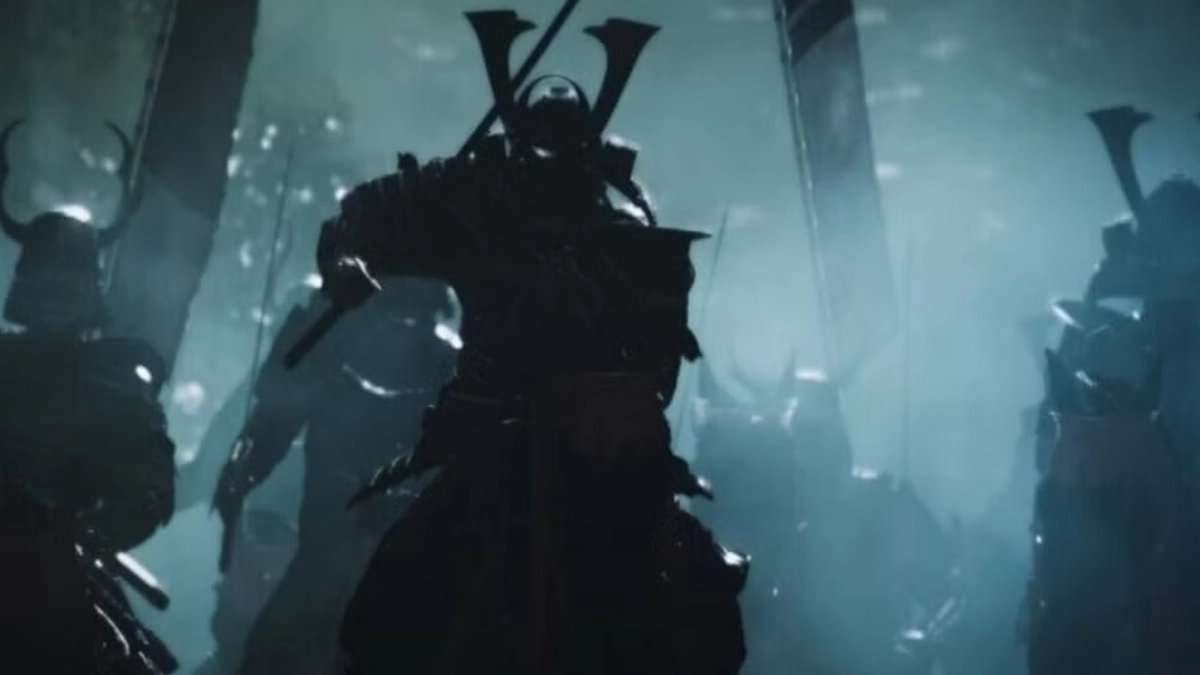
If the hallucinations and urges to kill your family weren’t enough to dissuade anyone from living in the house, the worst selling point for moving in might have been the goddamn Samurai warrior that rides his horse through the living room every once in a while, for reasons unknown.
That’s not the only sighting of a Samurai warrior. A similar Samurai warrior is said to ride the road to Camp Foster up Stillwell Drive, reportedly headed to base housing.
2. Spectral Gate Guards
There’s nothing creepy about Security Forces. Not inherently, anyway. Those guys look sharp. But when you’re pulling up to a gate at 3am and encounter a World War II-era Marine covered in blood and asking for a match, things take a turn for the creepy.
That’s what happened at Camp Hansen’s old Gate 3—more than once. In a weird way, it’s a good thing the ghostly Marine was hanging out at the gate, defending living American troops because ghosts of World War II Japanese soldiers were reportedly at the same gate all the time.
The haunting happened so often (some say every weekend) that Japanese guards began to refuse to stand guard at Gate 3 and the entry control point was eventually closed. Closing the gate seems a little unnecessary since the soldier would disappear once his cigarette was lit. Stationing some Marines to give the poor guy a light seems like the lease we could do for a World War II veteran.
3. Kadena’s Banyan Tree Golf Course Cave
During World War II, the Japanese maintained a field hospital on the site where Kadena’s golf course was later built. To care for the wounded during the battle dubbed “Typhoon of Steel,” Japanese soldiers drafted more than 200 student nurses to work in the hospital.
When the Americans came to take the island and began with a firestorm of aerial bombing, the Japanese revoked their draftee status and kicked them out of the caves that protected them from the fresh hell the U.S. was creating outside. Without the cover of the caves, the teen girls were killed. Those who might have survived the bombing didn’t survive the battle.
These days, Okinawans won’t go near the cave because the women are said to still haunt the cave and the nearby land, but it’s still part of Kadena’s annual Halloween ghost tour. Fun!
4. Maeda Point’s Prophet of Doom
If you’re around Maeda Point on Okinawa and you see an elderly man walking around a tomb near the water, just go ahead and row to shore, go right to Personnel, retire, and fly home. It’s not worth sticking around, because rumor has it that old man is a ghost and every time someone sees him, there’s a body washing ashore on a beach nearby in a just a few days.
The point is apparently the site of many, many suicide jumpers who ended their lives by throwing themselves off the nearby cliffs. Not only that, this was also allegedly the site of another field hospital used by the Imperial Japanese Army in World War II. If an old man foretelling doom wasn’t enough, scuba divers even report seeing ghosts underwater. Some of these ghosts end up jumping off the haunted cliff for the rest of eternity, because ghost jumper reports are as common as Taco Rice.
5. The Little Girl at Camp Schwab
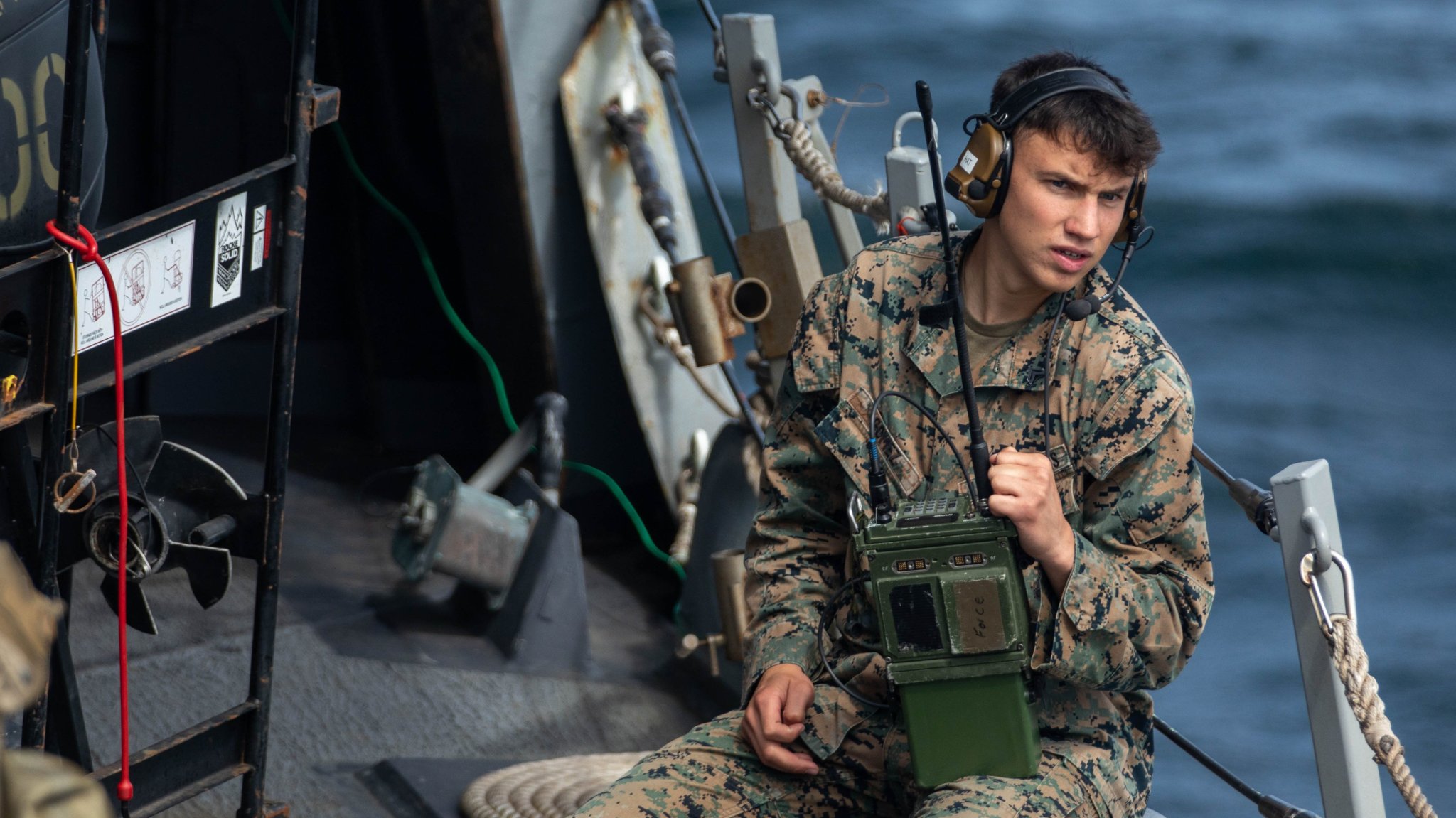
Marines working night shifts at Camp Schwab, usually the AAV (Amphibious Assault Vehicle) ramp, the seawall, fuel bladders, Nago Pass, and local stairwells (and one time in someone’s closet), report the sighting of a small Japanese girl. The AAV ramp is the most common place because reports say she will walk through the AAVs, through the perimeter fences, and disappear into the jungle.
Some say the girl is the ghost of a little girl who was run over by a 7-ton truck in the ramp area during the 1970s or 1980s, and the girl has haunted the area ever since. Sometimes she just stares at Marines until they notice. Others reported seeing an older woman with evil in her eyes.
Don’t Miss the Best of We Are The Mighty
• 11 scary ghost stories, legends, and haunted military bases • Vermont built its Founding Father a 42-Foot monument. Then couldn’t find his body. • These British troops claimed to be rescued by angels in WWI
World War II
5 Reasons why Okinawa is the most haunted place in the military
4 creepy ghost stories from the Vietnam War
4 Revolutionary War ghosts that refuse to die
Movies and TV
Why the US military always loses in a fight against zombies
World War II
How trick-or-treating worked during World War II sugar rationing