Alcohol masked my PTSD

Veteran Chris Swift on PTSD and substance use
Chris Swift spent years as a combat medic in Afghanistan and Iraq, and he loved it. “Best job in the military,” he said. “When you’re out there, they count on you. You really get to know the guys. Guys will tell you stuff they won’t tell their wives.”
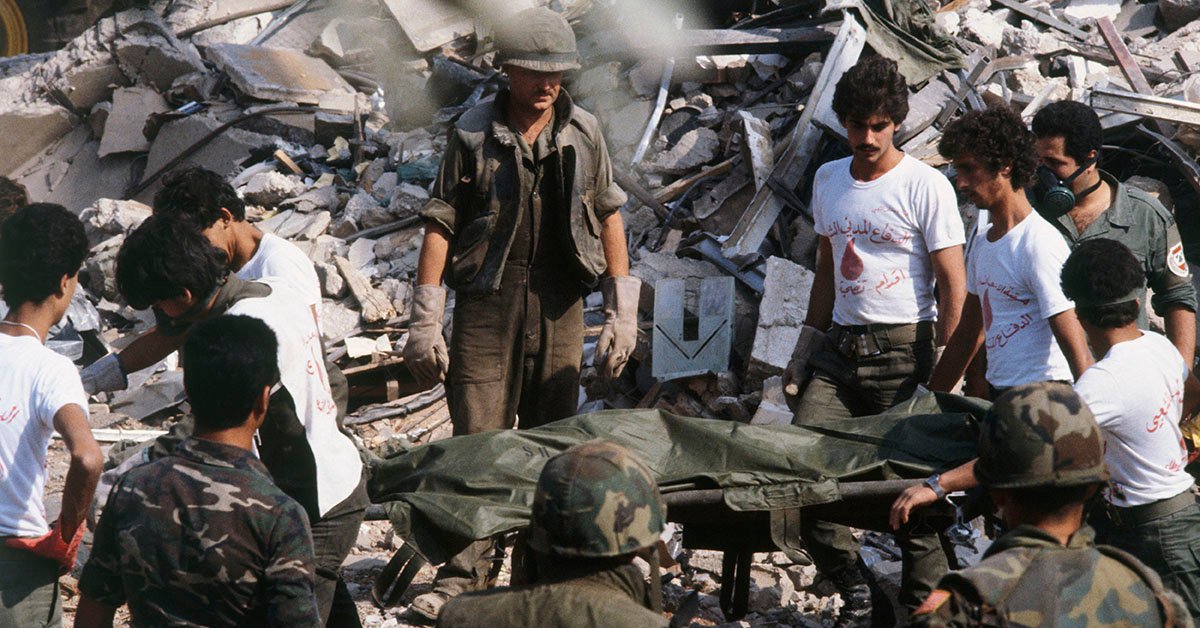
On May 25, 2006, his company commander and gunner were killed. To Swift, they were heroic in their leadership and ability. There was nothing he could do, so he compartmentalized.
“Instead of talking to somebody and dealing with my feelings, I just was like, all right, I’ll just drink it away.”
Swift left active duty and arrived home on Dec. 3, 2011. His daughter was born three days later.
On my way home—just an hour from the house—I stopped at a bar,” he said. Within two months, he and his partner separated.
Alcohol masked his post-traumatic stress disorder (PTSD), but it also damaged relationships and fueled anger. He still saw himself as invincible, someone who had come home from war without a scratch and wasn’t about to ask for help.
Everything changed after his third DUI in 2019. He went to jail. A month later, he entered the Milwaukee VA Medical Center’s inpatient treatment program. There he participated in PTSD therapy, substance use treatment, and depression and anxiety groups. Becoming vulnerable was difficult, but it brought relief.
“I got to see, all right, I have a drinking problem. All right, I have PTSD. How did I deal with PTSD? I drank.”
VA’s PTSD Treatments gets Veterans back on track
Treatment for PTSD helped him recognize that alcohol had been masking a deeper trauma. He learned the tools to manage his PTSD without alcohol and regained his ability to think clearly so that he could rebuild relationships and begin repairing the damage drinking had caused.
Now in recovery, he sees vulnerability as strength. He rebuilt his life, especially his relationship with his daughter, who inspires him to stay sober and present.
Today, Swift is a peer support specialist. He says the rewards are a lot like being a medic. He can help people and see them get better.
“To be able to see somebody just keep taking those steps forward, whether you’re in a sprint, a jog, a walk, a crawl, anything going forward—that’s progress.”
Watch Chris’ story at AboutFace, where Veterans talk about how PTSD treatment has turned their lives around. Learn more about PTSD and how treatment can help at the National Center for PTSD website.