Army Chaplain Corps is preparing for mass casualties in future wars
The Army is rehearsing how to temporarily bury thousands of fallen soldiers and honor their religious beliefs in a future war where recovering bodies and returning them home may be impossible until the fighting ends.
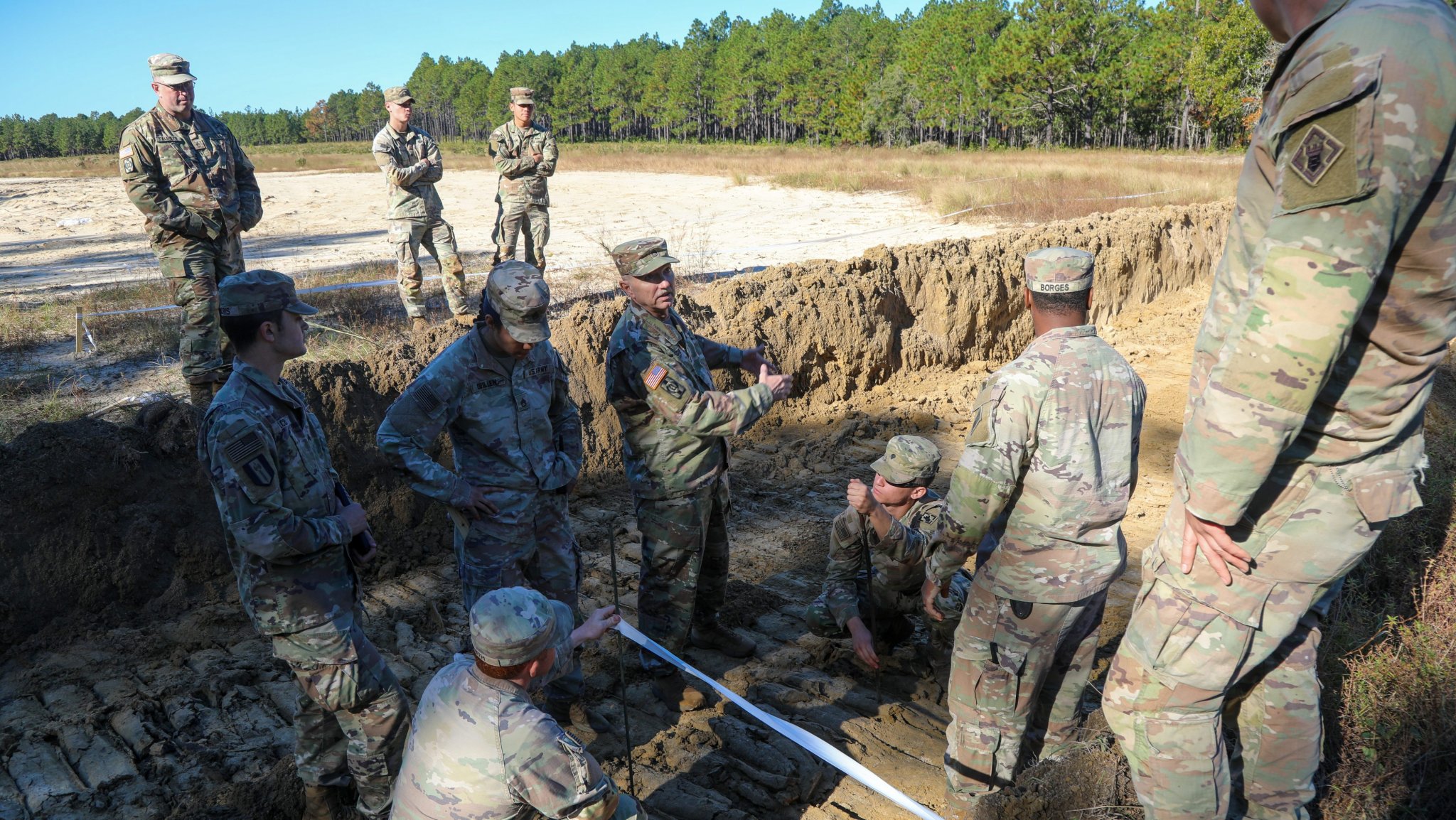
The exercise, reported by Military Times, brought together Army chaplains, engineers and mortuary affairs specialists to rehearse a scenario in which the military could no longer provide individual funeral ceremonies for its fallen. Instead, religious leaders had to consider how to honor multiple soldiers from different faith traditions while burial operations continued around the clock.
Based on the exercise, the Army estimates that engineers operating eight bulldozers and four excavators could dig and fill temporary graves for as many as 2,400 fallen soldiers in 24 hours.
“In an operational environment, we may not be able to identify the individual identities or faith backgrounds of the fallen Service Members,” Lt. Col. Ruska, a chaplain with the 3rd Corps Sustainment Command, said in an Army release.
The exercise follows years of Army planning for how military chaplains would respond to mass casualties in a future war against a major adversary. As early as 2024, Army religious support planners had identified shortcomings in existing procedures and recommended changes, warning that the military’s experience in Iraq and Afghanistan had left its chaplaincy ill-prepared for sustained, large-scale casualties.
“Military planners predict casualties in the hundreds if not thousands each day of combat,” an Army publication on religious support during large-scale combat operations warned. Its authors concluded that religious support teams were not prepared for the anticipated pace of fighting or the resulting casualties.
Those concerns are now informing practical training. According to the Army, findings from Operation Dragon Covenant will be used to revise military doctrine governing fatality management and religious support during casualty care, including procedures for temporary battlefield burials. The Army has not announced when those revisions will take effect, but another phase of the exercise is planned for spring 2027.
Top Stories This Week
Nearly 50 recon and intel Marines headed to undersea cable guard duty in Europe
Space Force wants to embed more guardians into the joint force
US expands alcohol restrictions for troops in Japan
“We consulted with Chaplains from various low-density faith groups for advisement,” Ruska said. “The consensus was that by consecrating the site before remains are placed in the ground reassures families that their loved ones are treated with reverence, dignity and honor despite the inability to provide a memorial ceremony in a contested combat environment.”
During the wars in Iraq and Afghanistan, American forces generally maintained the air superiority and transportation routes necessary to evacuate their dead rather than bury them near the battlefield.
The military also developed an extensive casualty evacuation network through Germany, including Ramstein Air Base and Landstuhl Regional Medical Center, to transport wounded troops back to the United States. But a prolonged war against a peer or near-peer adversary capable of disrupting those routes could leave fallen soldiers on the battlefield for extended periods.
The war in Ukraine has demonstrated how sustained fighting can prevent militaries from recovering their dead. Russian forces have buried unidentified soldiers in collective graves, while Ukrainian recovery teams have spent months searching contested battlefields for remains.
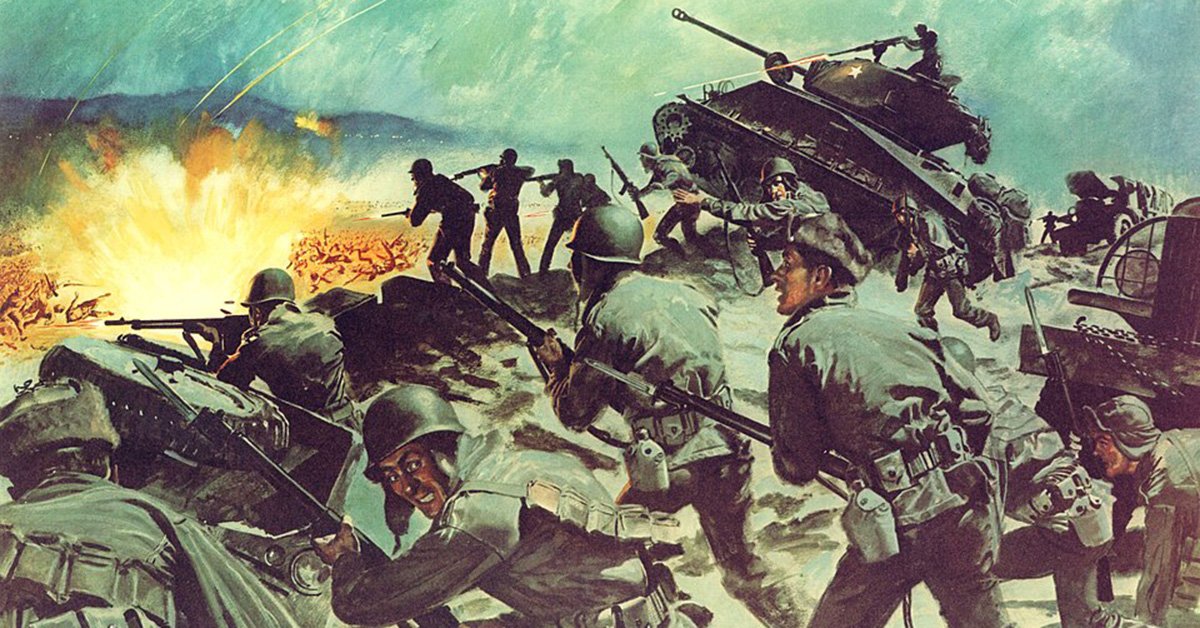
The U.S. military, however, hasn’t relied on mass burial graves since the Korean War.
During the war, according to a historical Army account, mountainous terrain, brutal winter temperatures, and constantly shifting frontlines made recovering the dead and getting them home tremendously difficult, and there are some historic accounts of fallen troops being buried in artillery craters or foxholes.
“If we went to war tomorrow, we would be making this up as we went along,” Sgt. 1st Class Delbert Ruede, the senior fatality management leader for the 3rd Corps Sustainment Command, said in the Army release. “What we are doing here is taking a scientific, field-tested approach so that we can maintain positive control and respectfully care for our fallen.”