Supreme Court opens the door for more contractor lawsuits in 2016 suicide bombing decision
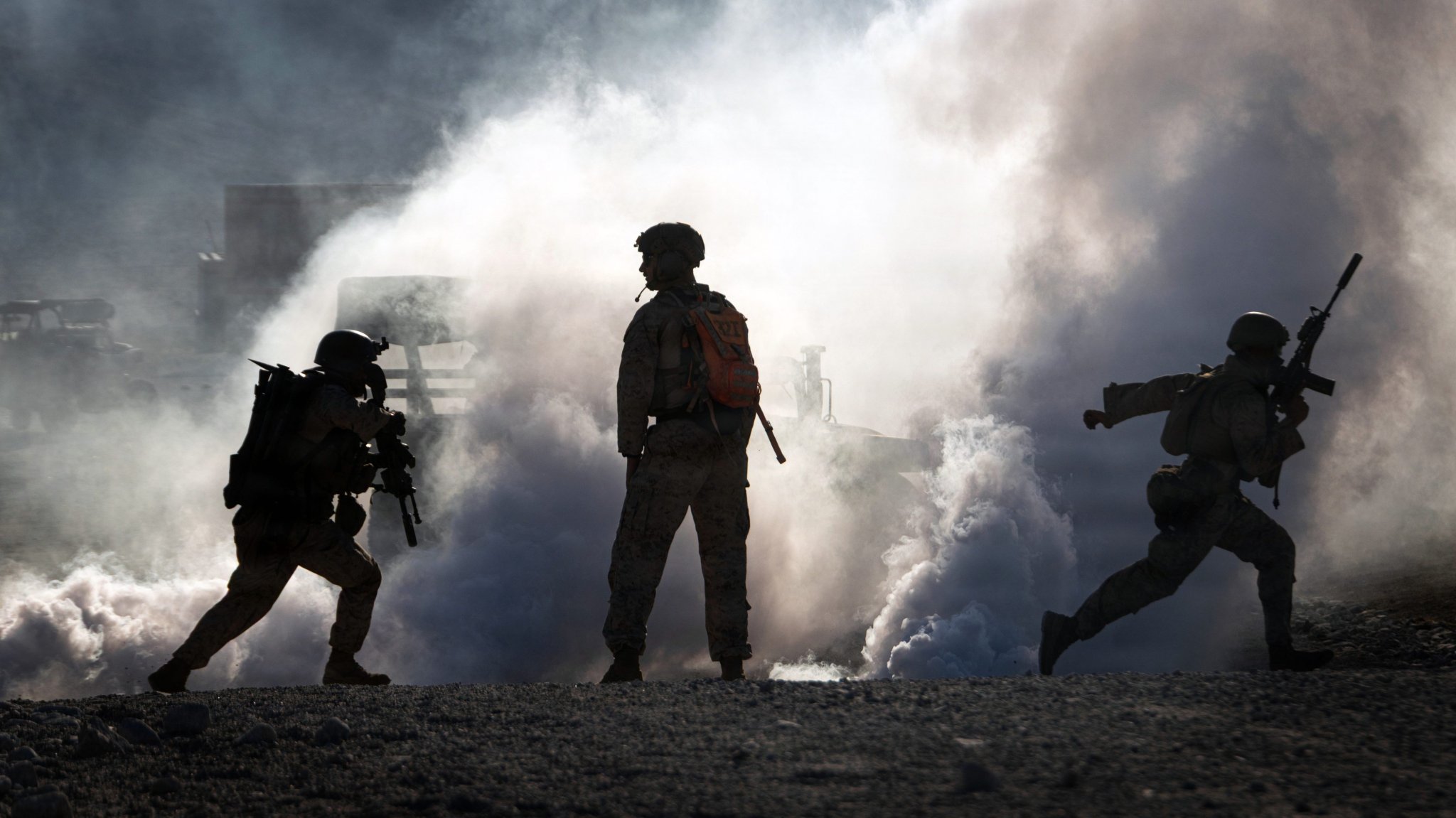
The morning of Nov. 12, 2016, began like any other at Bagram Airfield, the largest American military installation in Afghanistan at the time. By mid-morning, five people were dead and 17 others were wounded. Among them was a young Army specialist who lost the use of his left hand, arm and the left side of his face while trying to stop the bomber before he reached a larger crowd.
Nearly a decade later, the U.S. Supreme Court says that soldier has the right to make someone answer for it.
In a 6-3 ruling on April 22, the Court reversed a lower court decision that shielded Fluor Corporation, a major multifacted defense contractor, from a negligence lawsuit brought by former Army Spc. Winston Hencely under South Carolina state law.
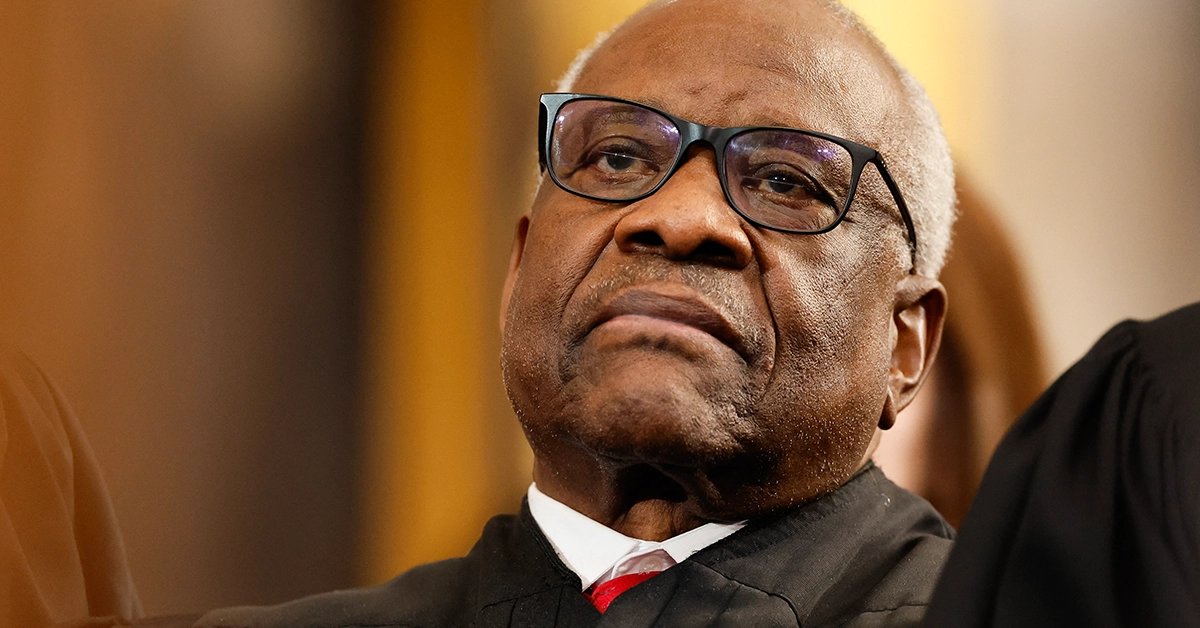
The majority opinion, written by Justice Clarence Thomas, held that Fluor’s conduct in the months leading up to the attack—specifically its failure to properly supervise and monitor an Afghan employee with known ties to the Taliban—was not a government-authorized military action that federal law protects from civil suits.
“The Yearsley doctrine shields a contractor only when it is being sued precisely for accomplishing what the Federal Government requested,” the Court’s opinion states, referencing a longtime legal framework derived from a 1940 infrastructure case.
Because Fluor’s negligence involved conduct the Army did not authorize and had, according to investigators, actually prohibited, the Yearsley doctrine provided no topcover to Fluor.
The attack was carried out by Ahmad Nayeb, an Afghan national employed by Fluor who had documented connections to the Taliban. That morning, Nayeb failed to board the base’s required escort bus after his shift ended. No one reported him missing. He then made his way to a staging area where more than 200 people were gathered for a 5K Veterans Day race, and detonated a suicide vest.
The Army’s investigation concluded that Fluor bore responsibility for the attack, finding the company had both provided Nayeb with the materials he used to construct the bomb and failed to enforce escort protocols required under its contract.
Killed in the blast were Army Pfc. Tyler Iubelt, 20; Staff Sgt. John Perry, 30; Sgt. 1st Class Allan Brown, 46; Fluor contractor Peter Provost, 62; and retired Army Col. Jarrold Reeves, 57. A fifth American fatality occurred weeks later when one of the wounded died from injuries sustained in the explosion.
Hencely initially filed suit in federal district court in South Carolina, where two Fluor subsidiaries are headquartered, arguing the company was negligent in supervising Nayeb, entrusting him with tools, and retaining him despite red flags about his loyalties.
The district court granted summary judgment to Fluor. The Fourth Circuit Court of Appeals affirmed that ruling, concluding that in a wartime setting, state law claims against military contractors operating under military command were automatically preempted by federal law.
The Supreme Court disagreed.
Justice Thomas, writing for a majority that crossed ideological lines (Justices Sonia Sotomayor, Elena Kagan, Neil Gorsuch, Amy Coney Barrett, and Ketanji Brown-Jackson all joined the opinion) said the Fourth Circuit read the relevant legal precedents far too broadly.
The court held that neither the Constitution nor any federal statute explicitly preempts state tort claims against contractors in war zones, and that the Federal Tort Claims Act’s combatant activities exception (which preserves the government’s immunity) does not extend automatically to the private companies that serve alongside it.
“Although the Constitution gives Congress and the President broad war powers, that assignment has never been understood to bar all war-related tort suits,” the majority wrote. “Absent a statute to the contrary, states can regulate or tax federal contractors on the same terms as any private company.”
The decision carries implications well beyond Hencely’s case. The families of the five people killed in the attack, along with at least eight other injured service members, filed a separate lawsuit against Fluor that stayed pending the outcome of the Hencely appeal. That case will now proceed.
The ruling also arrives at a moment of mounting scrutiny over accountability for private military and security contractors. America’s reliance on contractors grew dramatically during the wars in Iraq and Afghanistan, and critics have long argued that legal protections designed for the government itself were stretched far beyond their intended purpose.
The Veterans of Foreign Wars, which filed amicus briefs at both the certiorari and merits stages of the Hencely case, applauded the decision.
“The Supreme Court’s decision is a decisive affirmation that contractors cannot evade accountability when their actions fall outside authorized military direction,” said VFW General Counsel John Muckelbauer. “This ruling ensures that injured service members like Winston Hencely retain access to state-law tort claims—one of the only remaining avenues for legal accountability and meaningful recovery available to service members.”
That avenue is important because of a legal wall that blocks another route: The Feres doctrine. Under Feres, troops cannot sue the U.S. military directly for injuries sustained in the course of service, even when those injuries stem from negligence.
Justice Thomas has long been a critic of the Feres. In a 14-page dissent filed just last year after the court declined to take up a Feres challenge, he called the doctrine “indefensible” and “senseless as a matter of policy.”
The Hencely ruling does not eliminate the contractor defense, but it does demand that the conduct being challenged actually reflect something the government directed, rather than something the company did on its own. The Army’s investigation into the 2016 Bagram bombing already implicated Fluor.
Don’t Miss the Best of We Are The Mighty
• Til Valhalla: Where the phrase came from and what it means to veterans • This firebase was once the ‘evilest place in Afghanistan’ • A tank commander recounts the Gulf War Battle of Medina Ridge in ‘Bandit’
Supreme Court opens the door for more contractor lawsuits in 2016 suicide bombing decision
Fort Knox went all Hollywood during filming of a military comedy classic
A Green Beret shares 12 important things that need to be in your bug-out bag
Army staff sergeant makes NFL history during draft
Why the National Guard should embrace its illustrious history