VA terminated $1.1 billion in contracts after DOGE requests, watchdog finds
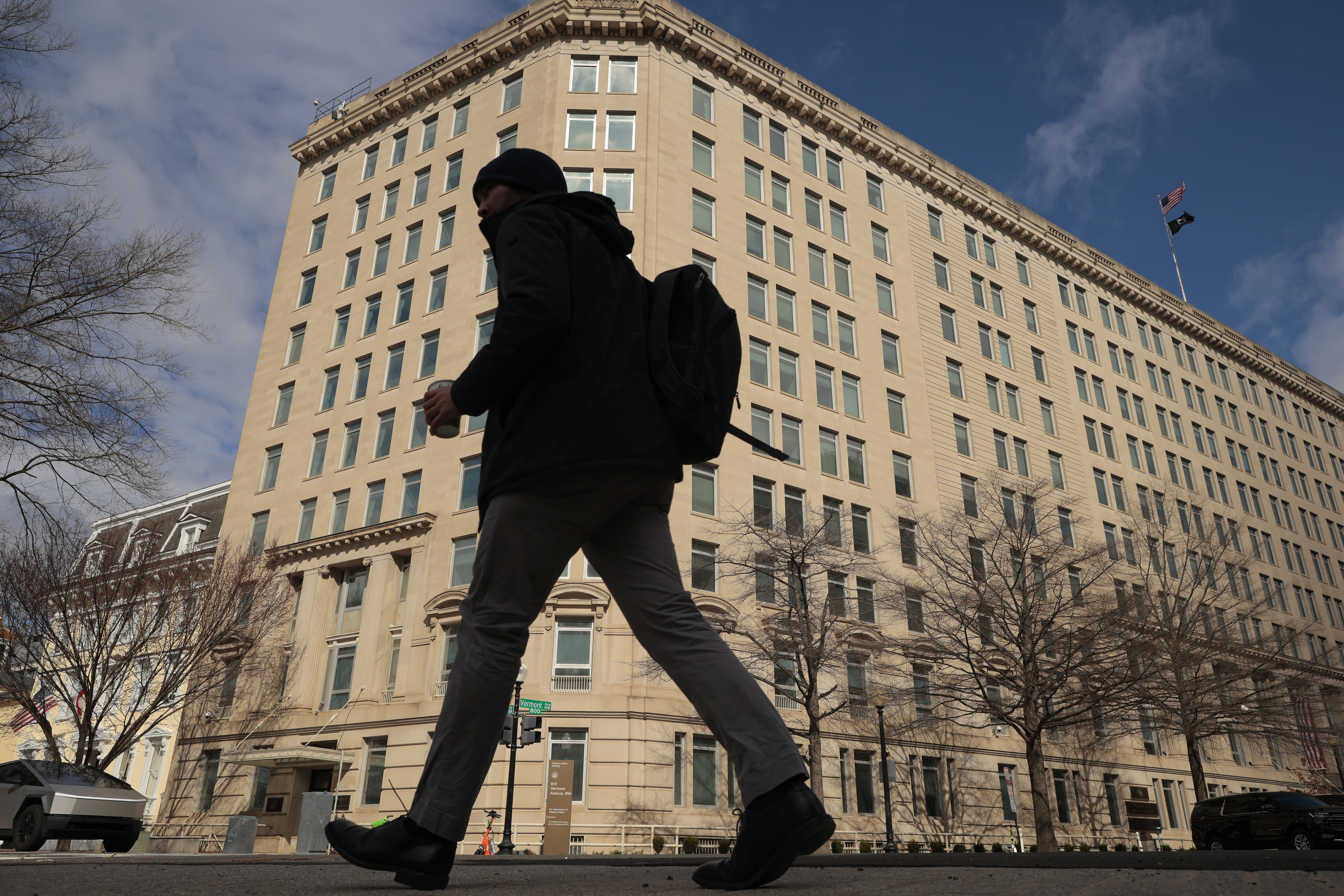
The Department of Veterans Affairs terminated 435 contract actions with a combined value of about $1.1 billion during a 2025 effort to reduce federal spending, according to a new watchdog review that found the department repeatedly provided Congress with inaccurate information about the cancellations.
The $1.1 billion figure is not a measure of taxpayer savings, according to the VA Office of Inspector General. It represents the total value of the contracts over their full performance periods and does not show how much had already been paid or how much the government ultimately spent to end the agreements.
The review examined the contract-cutting effort that was initiated when VA received requests from the General Services Administration, VA senior advisers and representatives of the Department of Government Efficiency, or DOGE, to terminate certain contracts.
The OIG’s finding contrasts with the $120.9 billion in contract value VA reported to Congress on May 16, 2025, a figure the OIG found contained significant errors.
VA’s May submission reported that the department had terminated 446 contract actions with a combined value of about $120.9 billion. The OIG found that only 357 of those actions had actually been terminated as of April 30, 2026. Eleven had been terminated and later reinstated, while 78 had never been terminated.
Errors were also found with the values of the contracts reported by VA.
VA’s May list included 16 contract actions valued at $1 billion or more. The OIG found that none actually exceeded $150 million. One contract reported at more than $21 billion had an estimated total value of just over $74 million, according to the review.
A VA contracting official told investigators that a department dashboard used to track terminated contracts had miscalculated contract values. Another VA official said some errors stemmed from employees who were unfamiliar with federal contracting and acquisition terminology.
The July 2025 submission contained another mismatch.
VA told Congress it had terminated or was in the process of terminating 1,667 contracts, while the list contained 1,664 contract actions and reported a combined value of more than $1.4 billion. The OIG found that VA had actually terminated 366 of those actions, including 17 that were later reinstated.
Sen. Richard Blumenthal, D-Conn., who requested the OIG review with Sen. Angus King, I-Maine, said Wednesday that the report confirmed concerns he had raised about the cancellation campaign.
“This report confirms my repeatedly expressed concerns that VA has recklessly cancelled hundreds of contracts with no consideration of the impact on veterans or VA operations,” Blumenthal said in a statement. “Secretary Collins owes us answers on how VA will replace lost services and how much this fiasco has cost taxpayers in arbitration, settlements, and reinstatements.”
VA defended the cancellation effort and said it had saved more than $1 billion.
“The IG report simply confirms what we’ve said from the beginning: VA terminated hundreds of wasteful and duplicative contracts, saving the department more than $1 billion,” VA Press Secretary Quinn Slaven told Military Times.
Slaven also said VA’s review process prevented disruptions to veterans’ services.
“Thanks to the methodical and careful review process VA put in place, these contract cancellations had no negative impact whatsoever on VA care and benefits,” Slaven said.
He shared that the department is reinvesting what VA describes as savings into improvements to veterans’ care and benefits.
The OIG did not calculate savings from the contract terminations. Instead, it reported the $1.1 billion as the total value of the 435 terminated contract actions and said that figure does not reflect amounts already paid or settlement costs. The OIG found that VA had agreed to about $10.6 million in settlement costs for 117 completed settlements.
The VA established procedures to review contracts before terminating them, and the agency’s contracting officials generally complied with federal acquisition requirements, the OIG reported.
‘Confusion and frustration’
The OIG documented challenges created by the speed and volume of the cancellation requests.
On Feb. 21, 2025, VA officials were instructed to review 1,049 contract actions in fewer than 11 hours, obtain the necessary approvals and report their findings to department leadership. Some offices did not finish their reviews by the deadline.
According to the OIG, VA senior advisers and DOGE representatives directed officials to terminate the contracts on Feb. 25, 2025, despite some reviews remaining incomplete. As the reviews continued, the number of contracts proposed for termination fell.
The OIG found that department contracting officials received instructions from multiple individuals and offices and received various lists of contracts that were inconsistently formatted, making them difficult to track.
VA and Veterans Health Administration officials told investigators the process created “confusion and frustration” and required staff to devote significant time to monitoring the lists and related correspondence.
The department created a database in April 2025 to better track the cancellations.
What was cut
The OIG found that 375 of the 435 terminated contract actions, or 86%, involved consulting services. Those contracts primarily covered management consulting, administrative management, program management and strategic communications.
But some contracts initially marked for termination were brought back.
One contract that was terminated but later reinstated involved financial audit services for invoices from contractors performing medical disability examinations. It was terminated Feb. 25, 2025 and reinstated about six months later.
The OIG also found that VA’s July 2025 report to Congress included hundreds of contract actions that had not actually been terminated.
Among them were 974 supply-related contract actions, including contracts involving prosthetics, surgical implants and wheelchair ramps. Another 151 health care-related actions, including nursing-home services, had not been terminated.
The OIG reviewed 2,210 unique contract actions. It determined that 435 were terminated, 100 were terminated and later reinstated, and 1,675 were never terminated.
Of the 435 terminated contract actions, VA had completed settlement agreements for 267 of them, with 150 that were no-cost settlements.
In January 2026, the OIG briefed VA officials on the preliminary findings from its investigation.
Following the briefing, VA submitted an updated list of terminated contracts to Congress on April 13, 2026, after revising its information to distinguish contracts it had terminated, reduced in scope or chosen not to extend through option periods.
The OIG did not independently review the accuracy or completeness of that April 2026 submission.
Blumenthal and King requested the OIG investigation in June 2025 amid concerns about the cancellation process, including the impact on veterans, the use of algorithms in decision-making, the involvement of career VA subject-matter experts and the financial consequences of terminating contracts.
The OIG made no recommendations requiring VA action, but the review found that the department had repeatedly provided Congress with inaccurate information about the contracts it said it had terminated.
“This report shows that VA failed multiple times to submit accurate data and are still in the process of correcting mistakes their process created,” Blumenthal said.