← Back to briefing
Service
A ‘white-hat’ hacker catfished defense information security experts with a photo and personal networking

By Blake Stilwell ·
We Are The Mighty
· Tuesday, February 24, 2026
· 1 min read
↗ Share
📋 Copy link
𝕏
in
f
WA
✉
Service
A
We Are The Mighty
';this.onerror=null">
Quick read
A cybersecurity test was conducted in the US to evaluate information security. The test involved creating a fake online persona, a young woman with a background in cyber threat analysis. This persona
A cybersecurity test was conducted in the US to evaluate information security. The test involved creating a fake online persona, a young woman with a background in cyber threat analysis. This persona was used to interact with defense information security experts.
The results of the test showed that security procedures were vulnerable to breaches. The test was able to engineer violations of security protocols in a short amount of time. Further details about the test and its findings are available from the original source, which provides more information about the methods used and the outcome of the test.
Originally reported by
We Are The Mighty .
Read the original article →
Service
Yes, I Served in Iraq. But What if People Mistake Me for a Hero?
Illustration by Kim Vo The Department of Motor Vehicles was a good place to lose your identity, not find it, especially 30 minutes before cl
WH
The War Horse
Our analysis The success of Thomas Ryan's experiment in infiltrating the US cybersecurity infrastructure highlights the vulnerabilities of online security protocols. By creating a fictional persona, Robin Sage, and leveraging social media platforms, Ryan was able to gain access to sensitive information from high-ranking officials and contractors. The fact that he was able to acquire this information through LinkedIn, a platform often used for professional networking, raises concerns about the effectiveness of online security measures. The ease with which Ryan was able to manipulate individuals into revealing sensitive information also underscores the need for increased awareness and training on online security protocols, particularly among those working in sensitive fields such as defense and intelligence. As the US continues to rely on online platforms for communication and networking, the potential for similar breaches poses a significant threat to national security.
Service
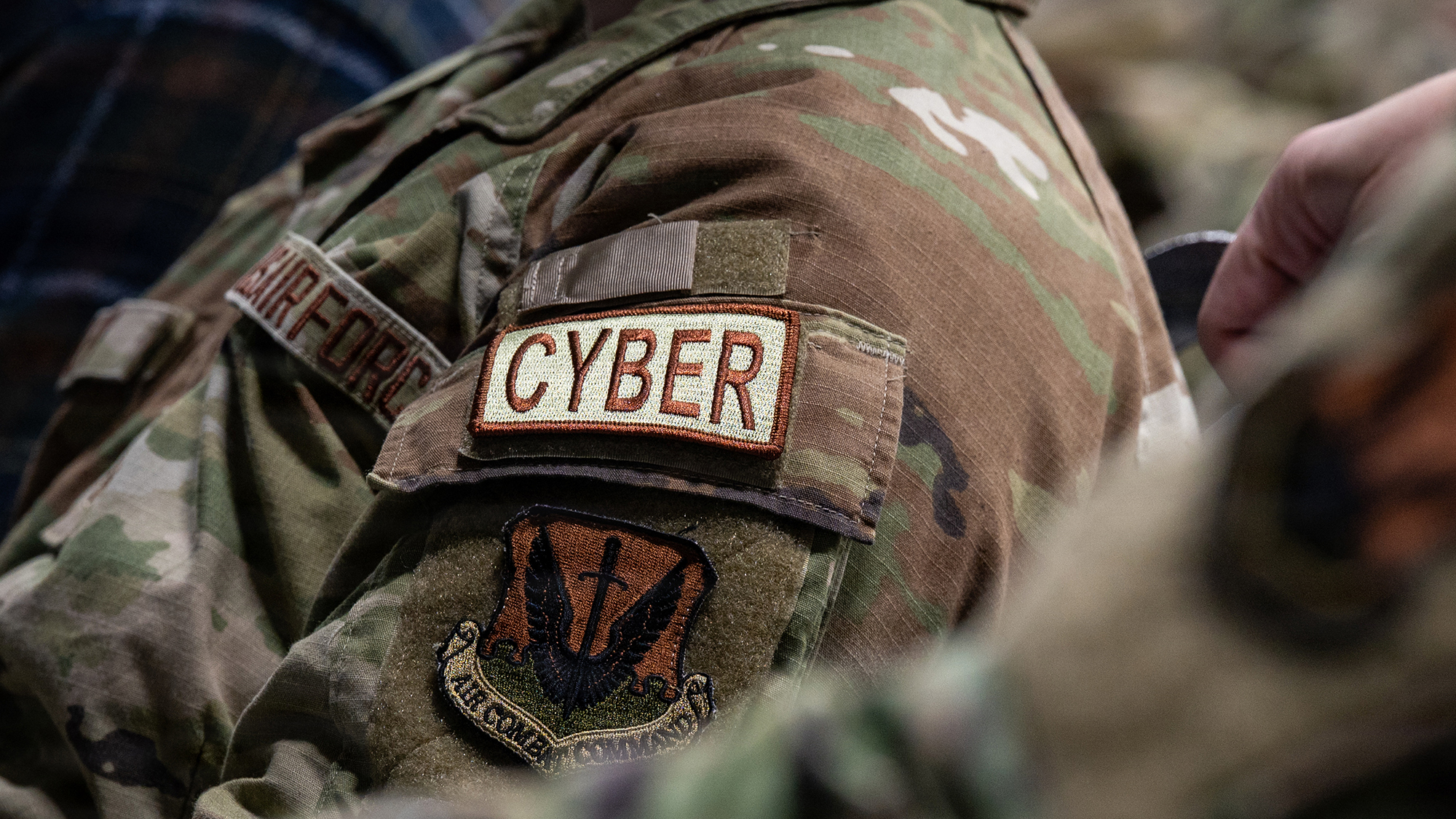
Officers only: New report lays out what a ‘US Cyber Force’ could look like
A new report argues that an independent Cyber Force should be staffed by only commissioned officers and warrant officers to better develop t
TP
Task & Purpose
Service
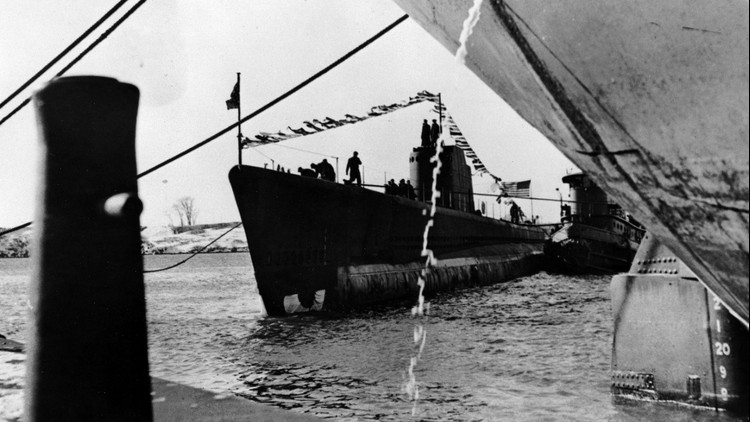
Navy researchers find wreck of World War II submarine that vanished 82 years ago
Nearly 82 years to the day after the USS Herring went missing during World War II, the Navy said it had found the wreck of a submarine that
TP
Task & Purpose