Navy researchers find wreck of World War II submarine that vanished 82 years ago
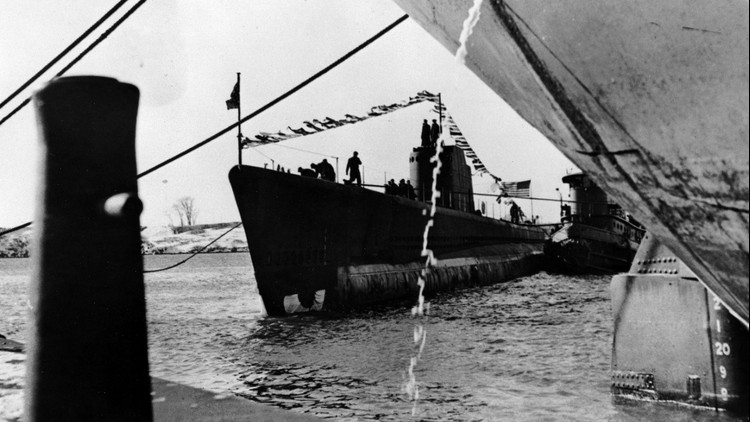
Nearly 82 years to the day after the USS Herring went missing during World War II, the Navy said it had found the wreck of a submarine that fought in three major theaters during the war before disappearing without a trace.
On Monday, the Navy’s Naval History and Heritage Command said that it had confirmed that a submarine wreck located nearly a decade ago off of Matsuwa Island, about 500 miles north of the Japanese mainland, was the Herring. The final confirmation ends the mystery of what happened to the submarine, which saw action near North Africa, northern Europe and the Pacific over a three-year period.
Top Stories This Week
24th Marine Expeditionary Unit deploys to Caribbean
The special ops replacement for the MK17 SCAR-H will fire 7.62 and 6.5mm ammo
By Jeff Schogol, Nicholas Slayton
Out of the 22 Navy officers just promoted to admiral, none were women
By Patty Nieberg, Matt White
The wreck is more than 300 feet below the surface and “maintains a high degree of integrity,” the Navy said. The wreckage is sitting upright on its keel and shows battle damage near its conning tower.
A joint expedition led by the Russian military and Russian Geographic Society discovered the wreckage of a submarine near the Kurile Islands in 2017 (the Soviet Union took control of the island after the war). That expedition team said that contextual evidence of the wreck made it likely to be Herring, and a second expedition in 2022 put a commemorative plaque at the wreck site to honor the crew. However. U.S. Navy heritage experts were not definitively sure until now.
The Naval History and Heritage Command’s Archaeology Branch used data from those expeditions, analyzed by American and Japanese researchers, to fully confirm it was the lost submarine, which was last seen by friendly forces 82 years ago this past weekend.
The submarine was launched in January 1942 and entered service four months later. It quickly deployed to the Mediterranean Sea, supporting Allied efforts around Operation Torch. It targeted enemy cargo ships before heading to the North Atlantic. In late summer 1943, the Herring shifted to the Pacific Theater. Once there, the American sub sank several Japanese ships.
The submarine’s eighth and final patrol started in May 1944. It departed Midway Island for the Kuril Islands. Overnight on May 30-31, the submarine sank the supply ship Hokuyo Maru and escort ship Ishigaki, according to Japanese records. Allied forces last saw the Herring on May 31, 1944, when it rendezvoused with the Barb, another submarine. On June 3, the two submarines were ordered to avoid a certain area to protect friendly vessels, but the Herring never broadcast a response. The Navy subsequently kept an eye out for signs of the submarine, but none came, and it was declared lost on July 13.
According to Japanese military records, the Herring kept up attacks after it met with the Barb. It sank two more supply ships on June 1 near Matsuwa Island. However, shore batteries opened fire and hit the submarine. Japanese forces reported that “bubbles covered an area about 5 meters wide, and heavy oil covered an area of approximately 15 miles.” The Herring and the Barb were the only American subs operating in that area. The sinking killed all 83 crewmembers.
The U.S. considers the wrecks of lost warships to be military property and under the jurisdiction of the Department of the Navy.
“Most importantly, the wreck represents the final resting place of sailors who gave their lives in defense of the nation and should be respected by all parties as a war grave,” the Navy said in a statement.
The Herring is the latest submarine wreck to be found in the Pacific in recent years. Research teams have located the wreckage of the USS Samuel B. Roberts and the USS Harder, two submarines lost near the Philippines during fierce fighting for the island chain.
Related Service stories

Yes, I Served in Iraq. But What if People Mistake Me for a Hero?
Illustration by Kim Vo The Department of Motor Vehicles was a good place to lose your identity, not find it, especially 30 minutes before cl
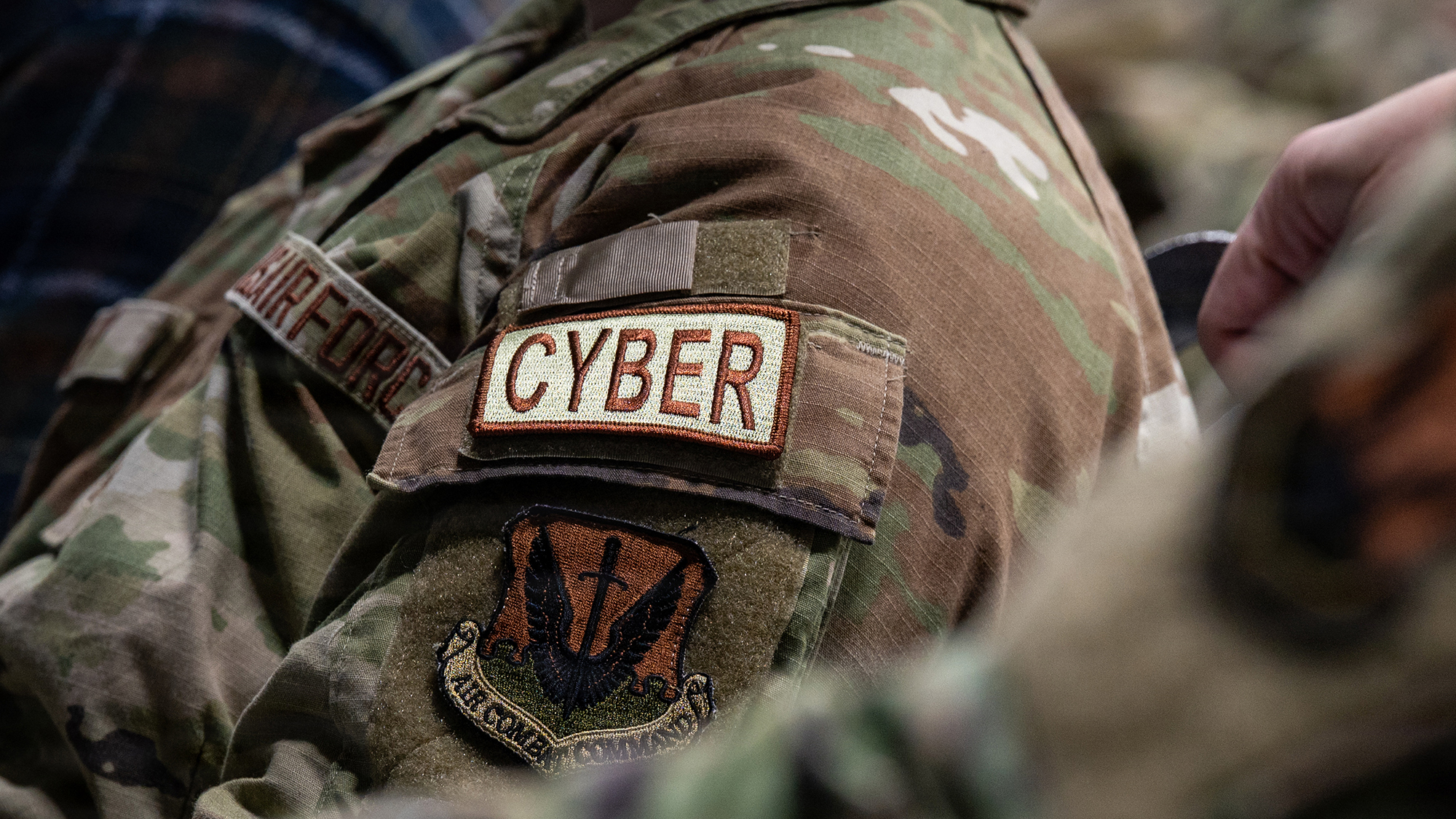
Officers only: New report lays out what a ‘US Cyber Force’ could look like
A new report argues that an independent Cyber Force should be staffed by only commissioned officers and warrant officers to better develop t
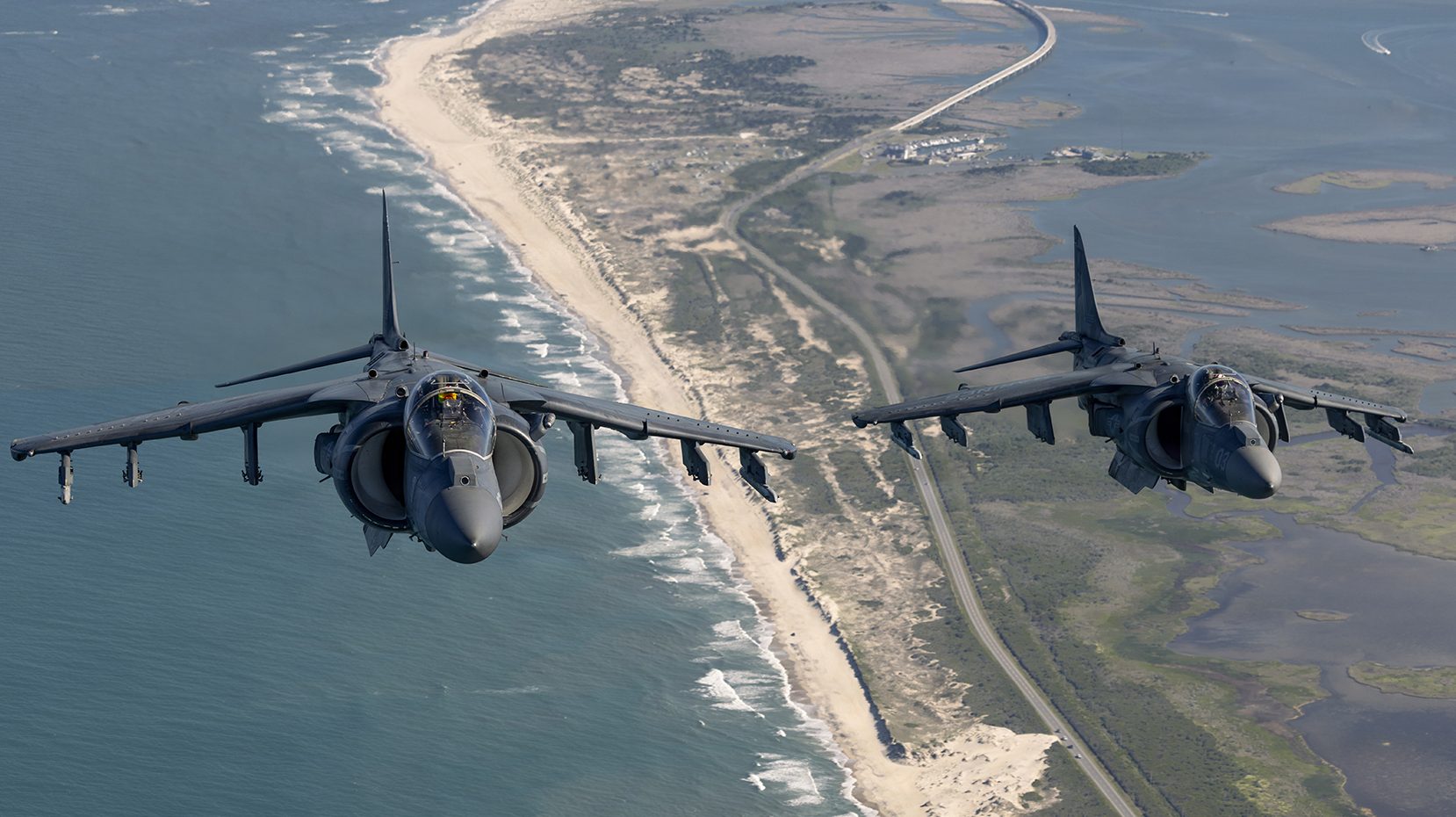
A final public flight for the Marine Corps’ legendary Harrier jet
A flight of the Marine Corps’ legendary AV-8B Harrier IIs, ground attack jets that can take off and land vertically, will make a final publi