← Back to briefing
Service
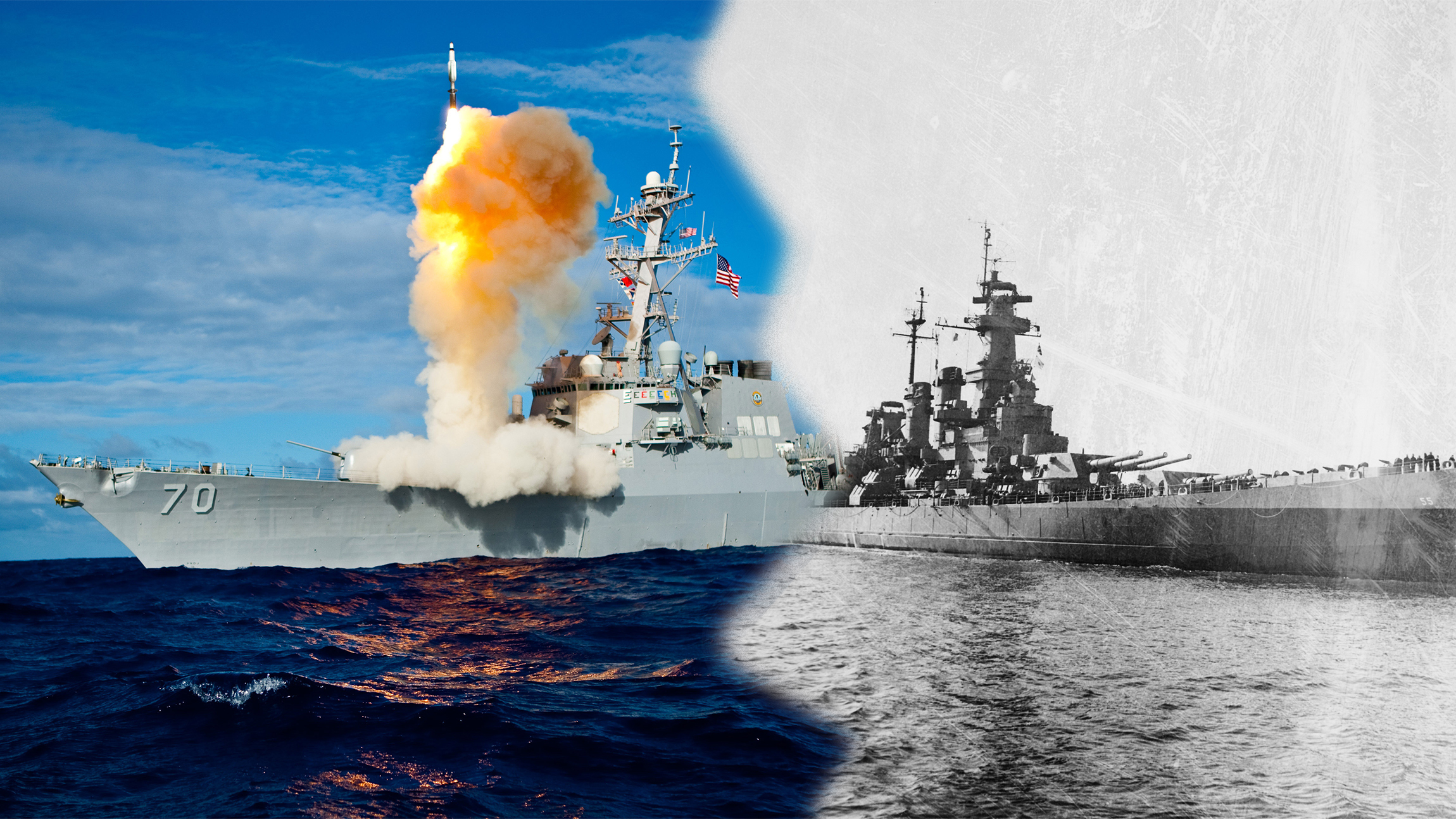
As naval combat evolves, there will be few ‘safe havens’ in a future war
By Jeff Schogol ·
Task & Purpose
· Wednesday, February 11, 2026
· 1 min read
↗ Share
📋 Copy link
𝕏
in
f
WA
✉
Service
A
Task & Purpose
';this.onerror=null">
Quick read
The US Navy has been engaged in combat operations in recent years, including campaigns against Houthi rebels in Yemen. These operations have involved threats from enemy drones, missiles, and unmanned
The US Navy has been engaged in combat operations in recent years, including campaigns against Houthi rebels in Yemen. These operations have involved threats from enemy drones, missiles, and unmanned boats. The variety of threats faced by sailors today is notable, with potential attacks coming from multiple domains.
The nature of naval combat is evolving, and sailors may encounter a range of challenges in future conflicts. Further details on these developments are available from sources such as Task & Purpose. The changing landscape of naval warfare is a subject of ongoing discussion and analysis, with experts like retired Navy Capt.
Bradley Martin sharing their insights on the potential threats and challenges that sailors may face.
Originally reported by
Task & Purpose .
Read the original article →
Service
Yes, I Served in Iraq. But What if People Mistake Me for a Hero?
Illustration by Kim Vo The Department of Motor Vehicles was a good place to lose your identity, not find it, especially 30 minutes before cl
WH
The War Horse
Our analysis The evolving nature of naval combat has significant implications for US sailors and the Navy's overall strategy. As the line between combat and non-combat situations becomes increasingly blurred, sailors may face a higher risk of engagement even in seemingly safe environments. The concept of "safe havens" may become a rarity, particularly if the US were to engage in a conflict with a peer adversary like China. This shift in warfare dynamics may require the Navy to reassess its training and preparedness for modern combat scenarios, including the potential for simultaneous attacks from multiple domains. Furthermore, the "gray-zone" strategies employed by adversaries like China and Russia may necessitate a more nuanced approach to naval operations, one that balances deterrence with diplomacy. As the Navy adapts to these changes, it will be crucial for policymakers and military leaders to consider the potential consequences for sailors and the broader implications for US national security.
Service
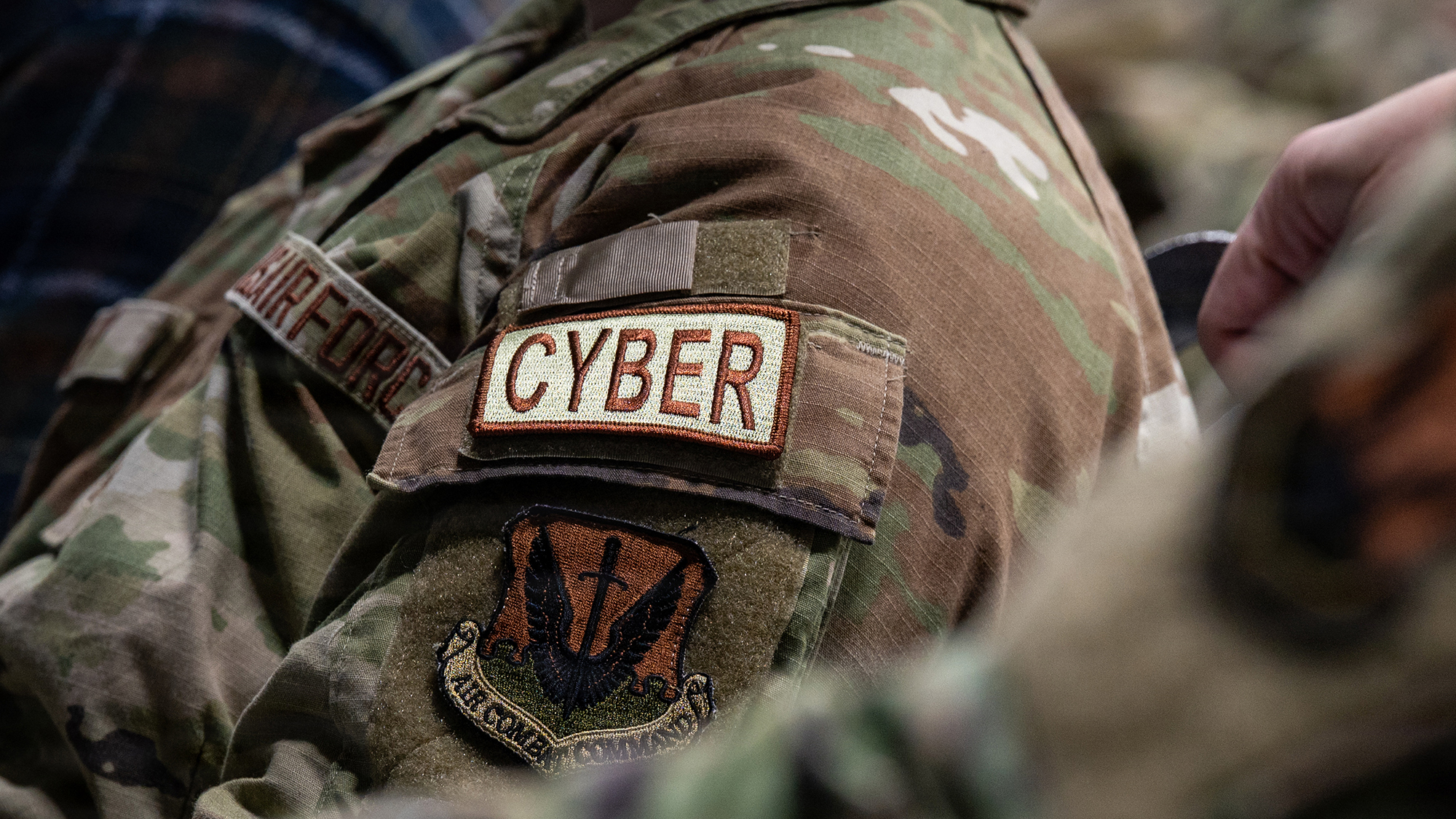
Officers only: New report lays out what a ‘US Cyber Force’ could look like
A new report argues that an independent Cyber Force should be staffed by only commissioned officers and warrant officers to better develop t
TP
Task & Purpose
Service
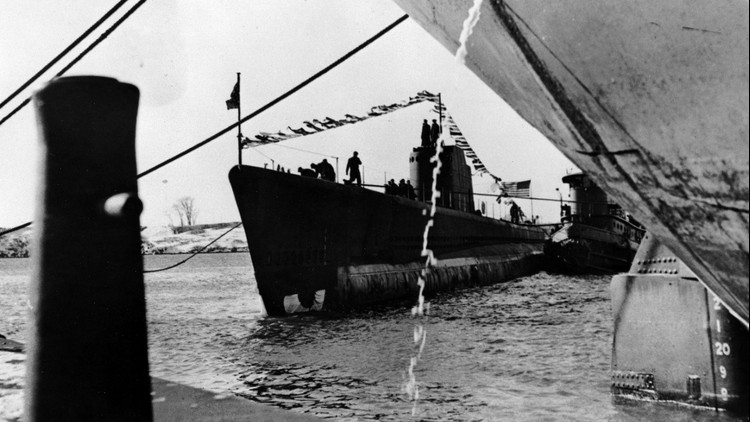
Navy researchers find wreck of World War II submarine that vanished 82 years ago
Nearly 82 years to the day after the USS Herring went missing during World War II, the Navy said it had found the wreck of a submarine that
TP
Task & Purpose