← Back to briefing
Service
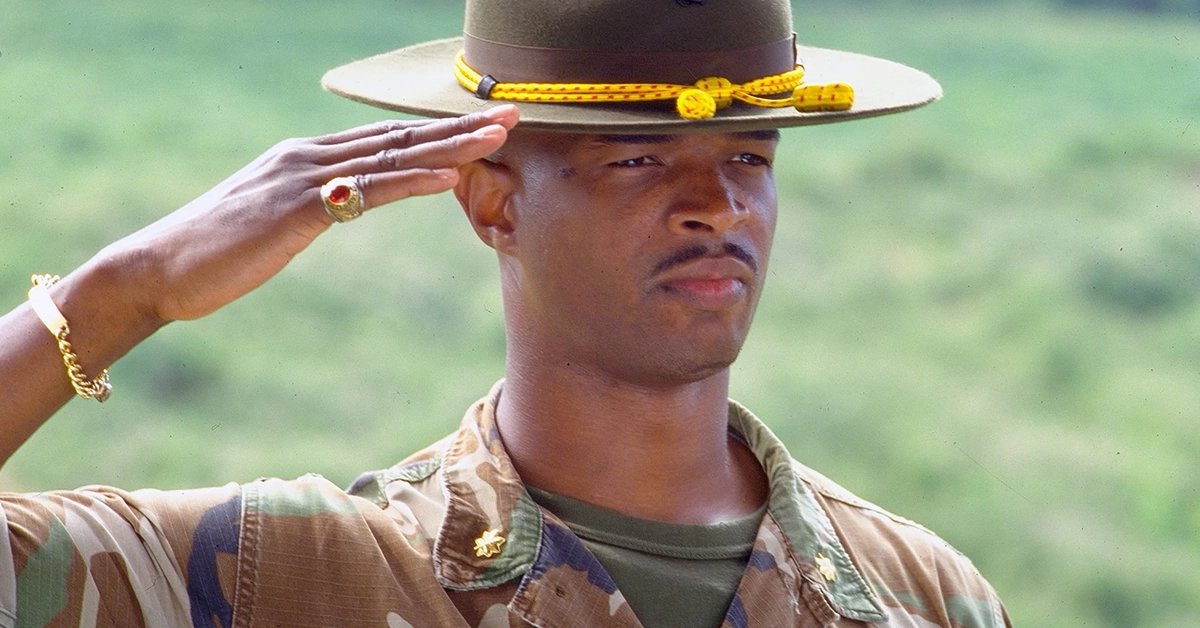
How ‘Major Payne’ became a Marine Corps comedy classic
By Daniel Tobias Flint ·
We Are The Mighty
· Wednesday, February 11, 2026
· 1 min read
↗ Share
📋 Copy link
𝕏
in
f
WA
✉
Service
H
We Are The Mighty
Quick read
A comedy film from 1995 has become a classic in Marine Corps culture. The movie, starring Damon Wayans, tells the story of a Marine officer who is reassigned to train a group of junior ROTC cadets. Th
A comedy film from 1995 has become a classic in Marine Corps culture. The movie, starring Damon Wayans, tells the story of a Marine officer who is reassigned to train a group of junior ROTC cadets. The film's enduring popularity is evident in its continued presence in popular culture, with quotes and references still being used today.
It is often referenced in classrooms and barracks, and has been remade into memes. Further details about the film's impact and significance are available from the source, which explores how the movie has become a timeless classic in American culture.
Originally reported by
We Are The Mighty .
Read the original article →
Service
Yes, I Served in Iraq. But What if People Mistake Me for a Hero?
Illustration by Kim Vo The Department of Motor Vehicles was a good place to lose your identity, not find it, especially 30 minutes before cl
WH
The War Horse
Our analysis The enduring popularity of "Major Payne" among Marines and Americans suggests that the film has tapped into a deeper cultural understanding of the role of discipline and transformation in personal identity. The character of Major Benson Winifred Payne, with his exaggerated embodiment of Marine archetypes, serves as a reflection of the challenges many veterans face in transitioning to civilian life. The film's portrayal of Payne's struggles to adapt to a new environment resonates with veterans who have experienced similar difficulties. Furthermore, the movie's exploration of the tension between military discipline and civilian norms highlights the complexities of integrating military values into everyday life. As a cultural touchstone, "Major Payne" continues to be referenced and quoted, indicating that its themes of transformation and discipline remain relevant to contemporary discussions about military service, identity, and reintegration into society. This resonance is likely to persist as new generations of veterans navigate their post-service lives.
Service
Officers only: New report lays out what a ‘US Cyber Force’ could look like
A new report argues that an independent Cyber Force should be staffed by only commissioned officers and warrant officers to better develop t
TP
Task & Purpose
Service
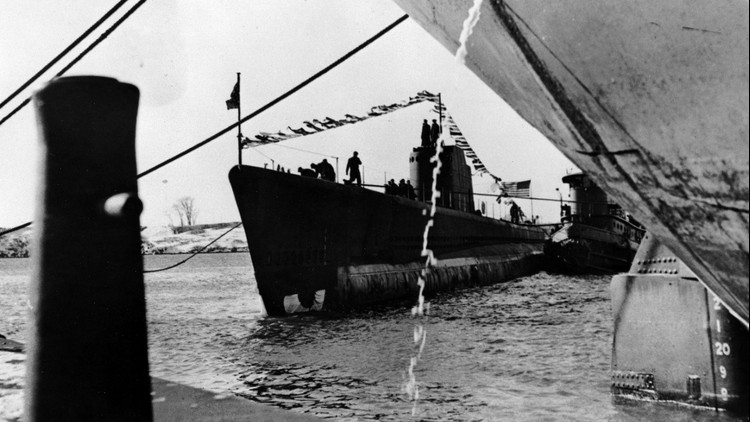
Navy researchers find wreck of World War II submarine that vanished 82 years ago
Nearly 82 years to the day after the USS Herring went missing during World War II, the Navy said it had found the wreck of a submarine that
TP
Task & Purpose