Special Operations Command lays out high-tech wish list
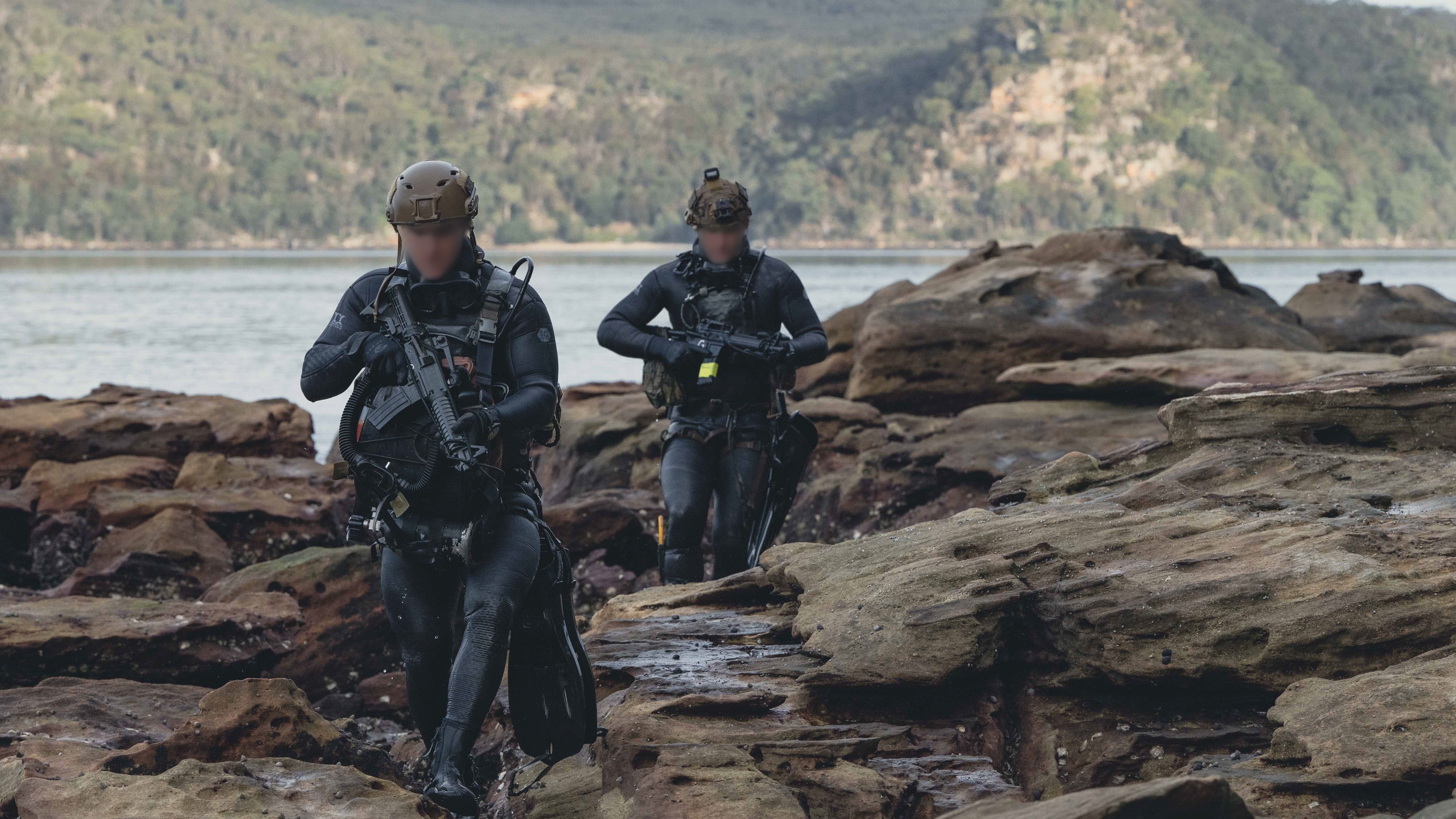
The command overseeing the top special operations units in the military is looking for industry partners — companies, research groups and non profits — to work with to develop new technologies for use in missions.
On Friday, April 24, U.S. Special Operations Command put out a broad solicitation on the SAM.gov website looking for participants to “accelerate” the use of high-tech tools as part of the Advancing Naval Capabilities through Holistic Opportunities and Resources (or ANCHOR) Initiative.
The sources sought solicitation, from SOCOM’s Special Operations Forces Acquisition, Technology, and Logistics team, lays out how the ANCHOR Initiative wants to work on identifying what technologies special operations forces require and develop prototypes to fill that need.
Top Stories This Week
Air Force can’t quit the A-10 Warthog, extends service into 2030
By Nicholas Slayton, Matt White
1st Cavalry Division soldiers will get the Army’s newest tank and infantry combat vehicle first
The US military wants to add 44,500 additional troops next year
Defence Blog first reporting on the listing, which unlike most military solicitations posted to the bidding website is working under Other Transaction Authority under 10 U.S.C. 4022. That legal provision allows the Department of Defense to move quicker to develop prototypes than it normally would using regular procurement processes.
And Special Operations Command is moving fact as it aims to become “a truly integrated multi-domain approach, synchronizing operations and effects across maritime, air, land, cyber, and space to outpace adaptive adversaries.” The solicitation offers a clear look at how Special Operations Command imagines current special operations capabilities and tactics integrating with emerging technologies such as lasers, drones and artificial intelligence.
“While grounded in the maritime environment, the focus is on capabilities that seamlessly connect and operate across domains, enabling distributed, networked, and resilient force employment from competition through high-end conflict,” the solicitation notes.
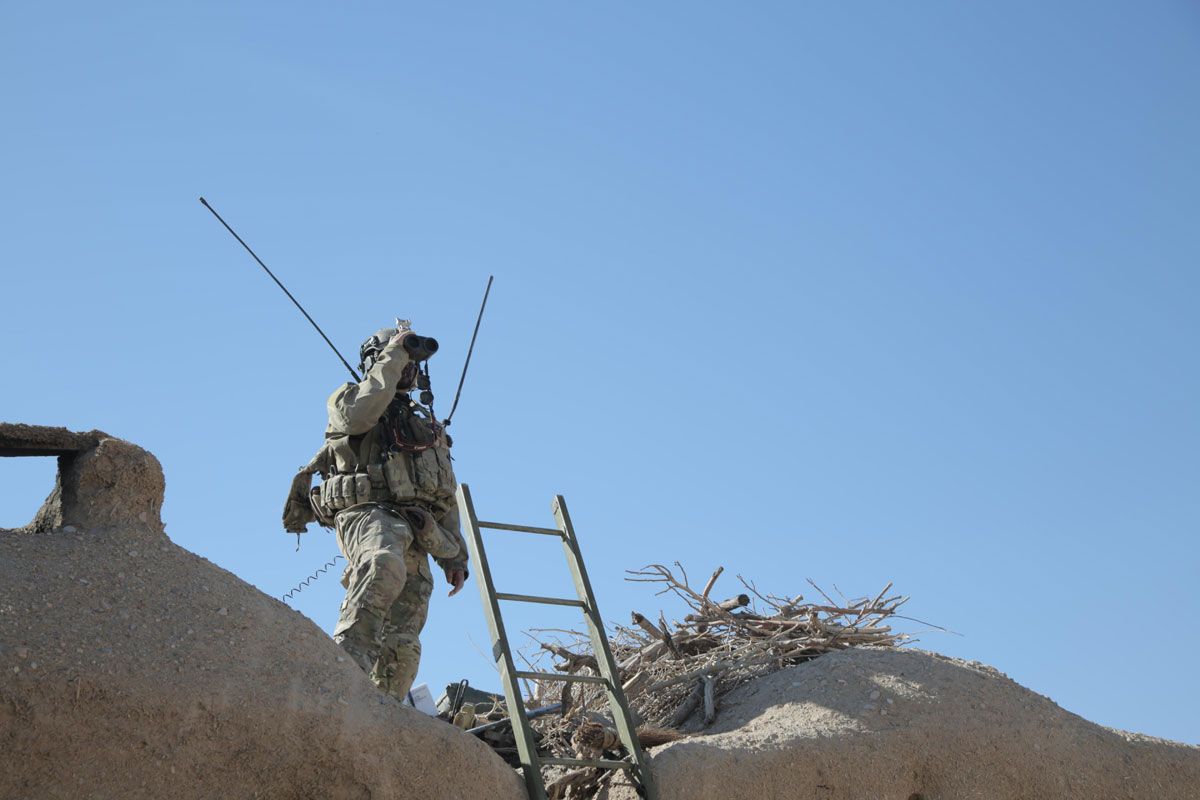
The development wish list centers around six key focal areas. The first one is about uncrewed systems, better known as drones. The military as a whole has been rapidly working to adapt to the proliferation of small and cheap drones, both integrating them into offensive tactics and developing strategies for defending against them. Special Operations Command’s ask calls for using drones for reconnaissance and intelligence gathering without putting deployed units into greater danger. It also wants counter-drone systems that are optimized to reduce weight and power requirements, so they can be easily fielded without becoming burdensome on troops.
Full-spectrum force
One of the biggest components in the six focuses is Command, Control, Communications, Computer, Cyber, Intelligence, Surveillance and Reconnaissance (C5ISR). In that area, Special Operations Command wants protected communications and real-time analytics assisted by artificial intelligence systems, in order to maintain command and control capabilities. These capabilities will “form the backbone of multi-domain maritime operations,” the solicitation reads, “empowering USSOCOM to outpace emerging threats and sustain operational advantage across mission execution.”
If protecting American forces’ communications and electronic systems is one pillar, another is disrupting or destroying enemy systems. The fifth field is focused on “scalable” kinetic and non-kinetic systems that can be used in support of special operations missions. Special Operations Command specifically mentions directed energy systems (i.e. lasers) and electronic and cyber warfare effects as technologies it wants to be able to use on maritime platforms. The last two focal points center on the humans at the heart of these missions and finding ways to mitigate “psychological burnout.” That also calls for helping troops use the other high-tech systems Special Operations Command wants with as little extra work as possible. To do so, Special Operations Command wants “natural control methods,” such as gesture recognition or voice commands to control drones.
The solicitation is also notable for how short the window is. Responses from interested parties are due by June 1, just over a month after the notice was posted.