Georgia families slam privatized military housing for dangerous living conditions in new report
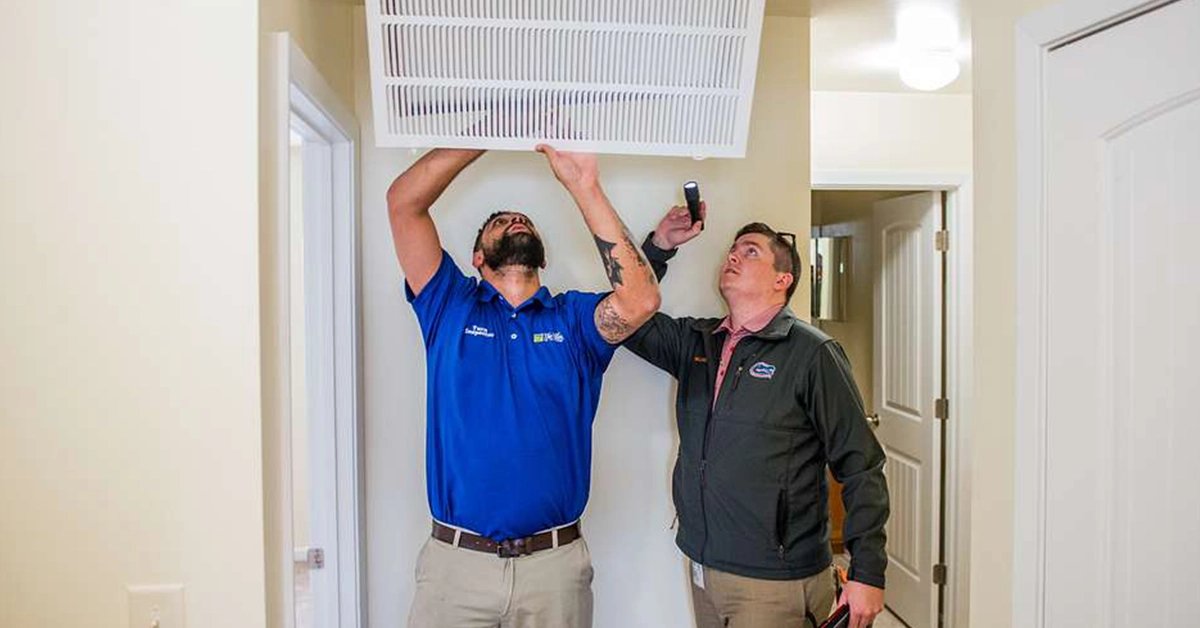
A premature newborn with elevated lead levels, a child who missed nearly half the school year because of mold-related illness, and families reporting electrical fires, flooding and cockroaches infesting kitchen appliances.
These are among the allegations outlined in a scathing new report released by U.S. Senator Jon Ossoff’s office, which details accounts from military families living in privatized housing at Fort Stewart and Fort Benning who say unsafe living conditions put their health and safety at risk.
“Our military servicemembers and their families make huge sacrifices for the country, and it’s a travesty how they’re being treated by privatized housing contractors in Georgia and nationwide,” Sen. Ossoff told Now Georgia. “The stories in this report should shock our conscience, and I will continue exposing the mistreatment of military families in privatized housing and working to protect them and improve conditions.”
The report, released July 8,2026, is the latest in Ossoff’s years-long oversight of privatized military housing in Georgia.
In 2022, the senator led an eight-month bipartisan investigation into conditions at Fort Gordon that uncovered what his office described as widespread neglect and mistreatment of military families. Following that investigation, the U.S. Army committed to conducting home-by-home inspections of privatized housing at military installations nationwide.
After hearing additional complaints from families stationed at Fort Stewart and Fort Benning, Ossoff’s office launched another inquiry in June 2025, interviewing military families about their experiences living in privatized housing. The report details mold contamination, lead exposure, plumbing failures, electrical hazards, pest infestations and repeated maintenance issues.
Among the accounts included in the eye-opening report is a Fort Stewart family who said their daughter missed nearly half the school year after developing illnesses they attributed to mold growing inside their home. According to the report, the child’s symptoms improved when she stayed elsewhere, but returned when she came back to the house. The family said visible mold appeared in the HVAC closet within three weeks of relocating.
Another family at Fort Benning reported that their premature newborn developed elevated lead levels just two weeks after moving into their home. According to the report, the family ultimately paid more than $1,000 to terminate their lease and relocate to another house on base. The report also alleges that a housing supervisor warned the family their baby could not crawl on the floors or play outside because of lead contamination around the home.
Several families described prolonged exposure to mold that they say resulted in chronic health problems. One Fort Benning family reported respiratory issues, allergies, chronic sore throats, fatigue, hives, rashes and sleep apnea that affected multiple members of the household. Their youngest daughter reportedly underwent a sleep study before ultimately requiring a tonsillectomy after developing sleep-disordered breathing.
“Living in unsafe conditions took a significant toll on my family,” the unnamed family stated in the report. “Instead of feeling safe in our home, we spent months worrying about the health effects of mold exposure and whether our concerns would be taken seriously. To this day, we do not feel our concerns were truly heard, and if they were, we have yet to see how the response helped our family. It is difficult to put into words the impact our living situation at Fort Benning has had on our children.”
Other families described repeated flooding, plumbing leaks that led to mold growth, and maintenance crews that they said performed temporary or cosmetic repairs without addressing the underlying problems. One family reported discovering mold spreading behind their refrigerator after a slow water leak, while another said flooding repeatedly damaged their basement whenever it rained.
“Within three months of living in my new base housing assignment, I had dealt with safety issues, appliance malfunctions, and health issues. While standing in the driveway using the garden hose to attempt to save my kitchen items from the mold that [the housing company] refused to address, I wondered if my family and I were truly welcome at Fort Benning,” the unnamed service member stated in the report.
Pest infestations and electrical issues were another recurring complaint among the families interviewed. One Fort Benning family reported German cockroaches living inside the oven, dishwasher and refrigerator, rendering the kitchen unusable, while another said mice chewed through electrical wiring in their stove and oven, creating a potential fire hazard.
According to the report, one Fort Benning family experienced two separate electrical fires after water leaking from an upstairs bathtub caused the home’s fire alarm system to short-circuit.
The report also alleges that some housing contractors delayed repairs or failed to fully remediate hazardous conditions after residents reported problems. Several families said repeated maintenance requests resulted in temporary fixes while mold, water intrusion and plumbing issues continued to return.
Ossoff’s office said the findings suggest that significant problems remain in privatized military housing despite reforms enacted by Congress in 2019 following a nationwide investigation into unsafe housing conditions on military installations.
“The Senator continues to investigate military housing operations to ensure transparency and to protect military families living on military bases in Georgia,” the report states.
Don’t Miss the Best of We Are The Mighty
• HomeFront Haven is a place of respite for military spouses • 7 hard truths military spouses wish they knew in the beginning • 5 things you can cry about even if no one deployed this month
Mighty MilSpouse
Mighty MilSpouse
Georgia families slam privatized military housing for dangerous living conditions in new report
Mighty MilSpouse
Military families still struggle with food insecurity, housing, and dwindling savings
Mighty MilSpouse
Overqualified, underemployed, and still showing up: the military spouse employment challenge
By Sara Jane Ginn
Mighty MilSpouse
The mental health crisis of military-connected families and the system that doesn’t protect us
By Sara Jane Ginn
Mighty MilSpouse
Mental Health and the Military Spouse: What spouses are really thinking
By Angelina "Strike" Stephens
Related Family stories

The $1 billion robbery that Saddam Hussein pulled off before US bombs fell
The group of men arrived at the Central Bank of Iraq before sunrise on March 18, 2003. Hours before the bank officially opened for the day,
7 hacks for the hard truths about raising kids in a dual-military household
Parenting already feels like organized chaos. Now add two military careers, four kids, competing duty schedules, and you’ve got the reality
5 sneaky habits wrecking military family mental health (and nobody talks about)
Military families are built tough, but some everyday habits are quietly burning them out. Here’s what’s really going on behind all that “we’