The messy side of moving
Four military moves in two years.
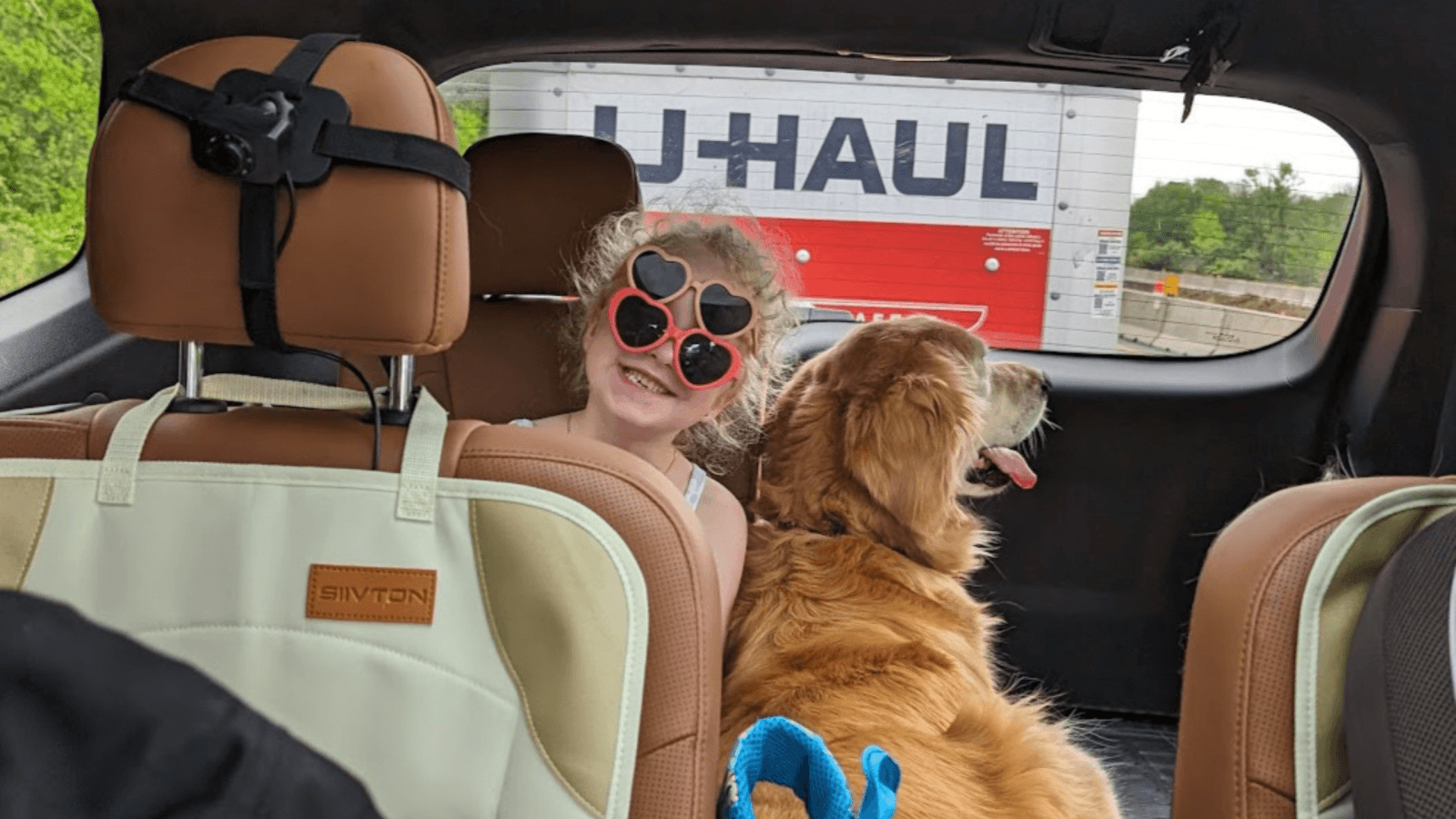
Logistically, it’s simple. We pack up our lives. My husband coordinates the movers with the Transportation Management Office and packs the U-haul as only a prior loadmaster could. The standard black-and-yellow bins, moving boxes, big moving trucks, suitcases, and favorite loveys in little hands indicate it’s moving time again. Then I spend the next few months finding the inventory stickers on all of our furniture and sorting through years’ worth of tchotchkes to find the essentials, the wine opener, and the ice cream scoop.
Yet the hardest part of moving isn’t what we post on Facebook or Instagram: it’s what never shows up there at all.
The messy side of a military relocation isn’t in our hallways lined with partially filled boxes or the half-packed kitchen full of food we have to find a new home for. It’s not in the card table or the air mattresses that fill a half-empty house. And it’s not even in the chaotic two-bedroom, pet-friendly temporary lodging facility into which we’ve packed our family of five.
With every PCS, we lose our favorite local breakfast spot and park. We have to say “hope to see you again” to the other moms we met at the playground. We trade our weekly coffee shop runs for a different one, and painstakingly say goodbye to the mama dove we’ve watched raise babies of her own. It was saying goodbye to a normal life we worked hard to create.
Moving … again
We started moving in 2024 when we made the big hop across the pond from the UK in January. We moved into my parent’s three-bedroom house with two littles and a third on the way. It was temporary, but it didn’t feel temporary in the way I expected; it felt like waiting while still trying to build something that resembled normal for the sake of my kids.
From there, we moved to Enid, Oklahoma, where my husband finished Initial Flight Training and Undergraduate Pilot Training. Then came Altus, Oklahoma, in December of ’25: another move, another reset, another place to learn quickly how to function in a space that wasn’t going to be ours for long.
Altus was different, though. It was the first place in a while where life slowed down slightly, I could exhale, and I felt a little lighter. There were connections made, routines that stuck, and we got to know the owner of the local coffee shop made it feel like “home” in a way I wasn’t used to anymore. The school on base was unlike any other; my kids jumped in heart-first and quickly made friends and had the most caring teachers. I made friends and made plans. For a moment, it worked. It felt like we had finally landed somewhere.
And then we moved again.
Now we’re in Alabama. We lived out of a two-queen-bed hotel room in Birmingham for a while before we finally moved into our finished new home. It’s another version of “temporary” that, quite frankly, we’re still getting used to.
The aftermath of a PCS
These past two years have brought a lot of anxiety. The overwhelm of all the boxes, constant reintroductions, unpredictability and instability of a new “normal.” I desperately craved routine and the feeling of being settled.
Yet life didn’t pause while we were moving. I navigated life’s biggest moments while solo-parenting. I brought home a new baby, held my kids’ hands through the first and last days of school, and created the magic of the holidays. I was stripped of my identity and forced to rebuild through every mile. Reintroducing myself over and over again in the name of survival.
Through it all, I never once felt settled. Each move felt like stacking bins, each one getting heavier.
Emotionally, I’ve never felt lonelier.
Fear crept in even when things felt stable, because I knew they wouldn’t stay that way. Even though I saw it coming, it still required therapy, and the occasional glass of wine and bowl of ice cream.
We got better at it: more organized, more prepared for the curveballs. But it never made the goodbyes easier, and to be honest, it was what those farewells represented that hit the hardest.
The idea of a normal life shattered. Versions of ourselves that we had molded and carefully placed into the kiln were taken out before firing, only to be reshaped yet again. Small pieces of our children were left behind with the friends and memories they leave behind. We left the house that was once a home, holding milestones and memories, in the distance. We said goodbye to connections forged out of survival and necessity.
As with everything else that comes with military life, it’s never as simple and easy as what you see at surface level.
But if the last two years have taught me anything, it’s that military families are remarkably good at building a life wherever they land, even when they’re exhausted by the process. I suppose that’s what they call resilience. *eye roll so hard it hurts*
“It’s always darkest before the dawn” has never been so annoyingly relevant — and so damn true.