The silent identity shift that military spouses undergo to survive the lifestyle
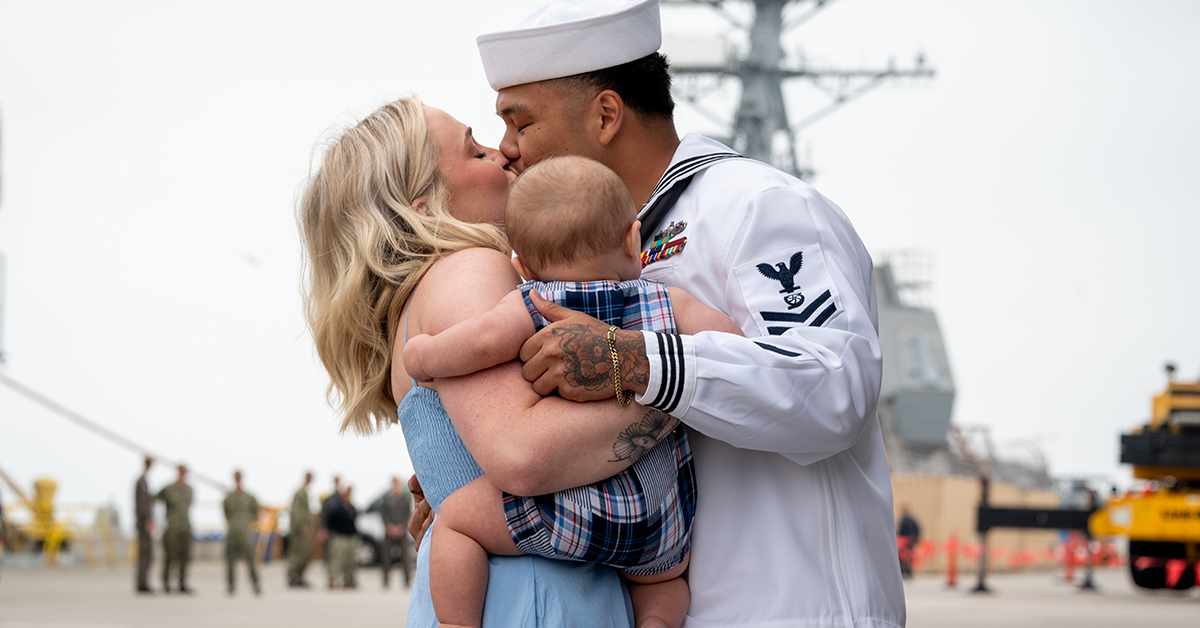
Ask a civilian what the hardest part of military life is, and they’ll probably say deployments. Long separations, missed birthdays, the whole Hollywood version of sacrifice.
Ask a military spouse?
You’ll get a different answer. And it’s not always the one people expect.
When I asked a group of military spouses to share their biggest struggle, the responses weren’t about one specific moment. They were about something deeper. Something quieter. Something that doesn’t always make it into the welcome brief or the Family Readiness Group (FRG) meeting.
It was about identity. Everyone typically talks about the struggles of being a military spouse—but not the transformation.
The Evolution of Military Spouses
There’s a moment in military spouse life when you realize you’re not the same person you were before the first set of orders arrived.
It usually doesn’t happen during the Pinterest-perfect homecoming photos or the emotional airport goodbye scenes Hollywood loves so much. No, it sneaks up on you somewhere between your third DMV change of address, your fifth “So what do you do?” conversation, and realizing you can pack an entire house like a Navy SEAL loading a deployment pallet.
People love talking about the struggles of military spouses. The loneliness. The career interruptions. The deployments. The constant goodbyes. And sure, those things are real. Military life can stretch a person thinner than government-issued toilet paper.
But what nobody really talks about is the transformation.
Because military spouses don’t just “deal with” military life. Over time, they evolve because of it. They become emotionally agile, absurdly resourceful, and capable of handling chaos with the calm efficiency of someone who has cried in a base housing parking lot before immediately pulling themselves together to make soccer practice on time.
At some point, military spouses stop being civilians adjacent to the military and become something else entirely: mission-minded partners who can adapt to almost anything.
They learn how to build community fast, because they know time is limited. Military spouses become experts at starting over in places they didn’t choose. They master flexibility because the military doesn’t care about your five-year plan, your kid’s travel season, or the fact that you just found a hairstylist you trusted.
And maybe the biggest shift of all? They learn how to carry uncertainty without letting it completely break them.
Looking Beneath the Surface
That identity shift isn’t always visible from the outside. Civilians may see a spouse who “doesn’t work consistently” or someone who moves a lot. What they don’t see is the person who has quietly become logistics coordinator, emotional support system, solo parent, career strategist, travel agent, crisis manager, and morale officer—all before noon.
Military spouses aren’t just surviving this lifestyle.
They’re reshaped by it.
Military spouse life has a funny way of taking things from you while quietly building something else in their place. The problem is, most conversations stop at the loss. The canceled careers. The missed holidays. The constant restarting.
What’s Lost, What’s Built
But if you look closer, there’s another side to the story.
Because for everything military life strips away, it also forces military spouses to build something stronger in return.
For many spouses, the shift doesn’t happen overnight. It’s subtle, but spouses learn to reframe the narrative—from “what’s lost” to “what’s built”:
What’s lost: Career stability What’s built: Adaptability and entrepreneurial grit
What’s lost: Long-term friendships nearby What’s built: The ability to build community almost anywhere
What’s lost: Predictability What’s built: Flexibility under pressure
What’s lost: A fixed identity tied to one place or role What’s built: A deeper sense of resilience and purpose
What’s lost: Control over timelines and plans What’s built: The ability to pivot without completely falling apart
What’s lost: The luxury of emotional fragility What’s built: Emotional discipline and endurance
What’s lost: The idea of “normal life” What’s built: A new definition of strength, family, and home
What’s lost: Personal convenience What’s built: Resourcefulness that would make a logistics officer proud
What’s lost: Consistent support systems What’s built: Independence mixed with intentional connection
What’s lost: Comfort zones What’s built: Confidence in unfamiliar environments
What’s lost: The ability to think only about yourself What’s built: Mission-minded partnership and sacrifice
What’s lost: The fantasy of perfect balance What’s built: The skill of surviving seasons with grace and humor
What’s lost: The question “Who am I outside of this?” What’s built: A stronger understanding of identity beyond circumstances
What’s lost: Stability on paper What’s built: Stability within themselves
Spouses who survive military life experience real evolution: They become resilient, adaptable, emotionally disciplined, and mission-ready in ways civilians rarely understand.
Others often describe military spouses as resilient—and that’s true. But resilience doesn’t mean it’s easy. It means adapting when your plans change. Showing up when it’s hard. Rebuilding when everything resets. And sometimes, learning who you are all over again.
So no, the hardest part isn’t the distance of deployment.
It’s the transformation.
And the quiet, ongoing work of becoming someone new without losing yourself completely in the process shares a rarely articulated truth. Military spouses aren’t just surviving the lifestyle;they’re being reshaped by it.
Don’t Miss the Best of We Are The Mighty
• Operation Intimacy: Why military couples can’t afford to neglect the bedroom • How milspouses can adapt and thrive under new OPM resume rules • Everything they don’t tell you about the financial realities of moving overseas
Mighty MilSpouse
The silent identity shift that military spouses undergo to survive the lifestyle
Mighty MilSpouse
HomeFront Haven is a place of respite for military spouses
By Sara Jane Ginn
‘I’ll always regret it if I don’t’: Army veteran trades filmmaking for music in his 40s
An Afghan SOF veteran explores America and the universal bonds of special operators in ‘Noori’
Darius Rucker receives Veterans Voice Award at the 52nd American Music Awards
Related Family stories
The $1 billion robbery that Saddam Hussein pulled off before US bombs fell
The group of men arrived at the Central Bank of Iraq before sunrise on March 18, 2003. Hours before the bank officially opened for the day,
7 hacks for the hard truths about raising kids in a dual-military household
Parenting already feels like organized chaos. Now add two military careers, four kids, competing duty schedules, and you’ve got the reality
5 sneaky habits wrecking military family mental health (and nobody talks about)
Military families are built tough, but some everyday habits are quietly burning them out. Here’s what’s really going on behind all that “we’