From the Revolution to today: Addressing Veteran homelessness

How history shaped our nation’s approach to caring for Veterans
The Elizabethan Poor Law, also known as the Poor Relief Act of 1601, served as the foundation for how poverty and homelessness were addressed in the American colonies. It established two forms of relief: “outdoor relief” (financial aid, clothing and food for those unable to work) and “indoor relief” (almshouses, orphanages and workhouses for those who could work but were unemployed).
These early forms of relief established a precedent for providing structured support to those in need and would later influence how assistance was tailored to returning service members.
The Revolutionary War and early federal support
Over 230,000 soldiers fought in the Revolutionary War (1775-1783), with 25,000 deaths. After the war, the return of thousands of Veterans strained communities, and urban areas saw increases in homelessness—prompting early federal action.
Beginning in 1818, Congress passed a law granting a lifetime pension to anyone who served for at least nine months in the Continental Army, Navy or Marines during the Revolution. The legislation represents one of the first formal government efforts to support Veterans and it established a framework for future Veteran programs and benefits.
The Civil War and the establishment of Veteran homes
Homelessness worsened after the Civil War (1861-1865), which involved more than 3 million soldiers—many drafted following the first conscription act passed by Congress in 1863—and resulted in more than 600,000 deaths. A post-war economic recession displaced many Veterans, forcing congressional action.
Legislation passed in 1865 led to the creation of the National Home for Disabled Volunteer Soldiers, reflecting the government’s commitment to supporting disabled Veterans. As described by the Home’s Board of Managers, “The Home is neither a hospital nor an almshouse, but a home, where subsistence, quarters, clothing, religious instruction, employment when possible and amusements are provided by the Government of the United States. The provision is not a charity but is a reward to the brave and deserving.”
By 1929, the National Home system had expanded to 11 branches, laying the foundation for modern residential and domiciliary care programs.
The World Wars, economic crisis and the G.I. Bill
Throughout the first half of the 20th century, major conflicts, economic challenges and social reforms continued to shape military service and the nation’s response to Veteran homelessness. World War I (1917-1919) involved nearly 5 million U.S. soldiers, with more than 100,000 killed and 200,000 wounded.
Coupled with the Great Depression—which left nearly 25% of the American workforce unemployed or living in shantytowns—a crisis mounted, culminating in the Bonus Army March of 1932.
Conditions improved in the early 1940s as tens of thousands of Americans enlisted or were conscripted for World War II (1941-1945), and a wartime economic upswing took hold. The Servicemen’s Readjustment Act of 1944—better known as the G.I. Bill—provided some 16 million returning Veterans with unemployment compensation and financial resources for education to help them reintegrate after military service.
Despite these gains, later conflicts would present new challenges requiring more targeted and coordinated solutions.
Post-Vietnam era and the rise of modern homeless initiatives
After the Vietnam War (1966-1975), Veteran-specific challenges became more visible and better understood. Many Veterans returned, facing post-traumatic stress disorder (PTSD), substance abuse, physical disabilities and social adjustment challenges. The period also coincided with the end of the draft in 1973 and the nation’s transition to an all-volunteer force.
Homelessness in the broader population also drew increased attention during this era, leading to the passage of the McKinney-Vento Homeless Assistance Act in 1987. A series of modern, community-based initiatives followed, including the Homeless Veterans Assistance Act (1987), Housing and Urban Development-VA Supportive Housing (HUD-VASH, 1992), and Supportive Services for Veteran Families (SSVF, 2008). These programs have been pivotal in addressing homelessness among Gulf War and Global War on Terrorism Veterans.
Today, they represent just a few of the many initiatives offering housing, case management and supportive healthcare to Veterans and their families, while fostering a collaborative approach between VA and community organizations.
Building on history to end Veteran homelessness
The history of Veteran homelessness policy and prevention centers on a long-standing national principle: It is the country’s responsibility to care for those who have served.
Today, VA continues to build on these lessons learned throughout American history, working to address the root causes of homelessness, expanding access to stable housing, and delivering comprehensive care and wraparound services to Veterans in need.
More than 250 years after the nation’s founding, that mission continues. Guided by nearly a century of experience and strengthened by partnerships across the country, VA is leading the charge to end Veteran homelessness once and for all.
Related Advocacy stories
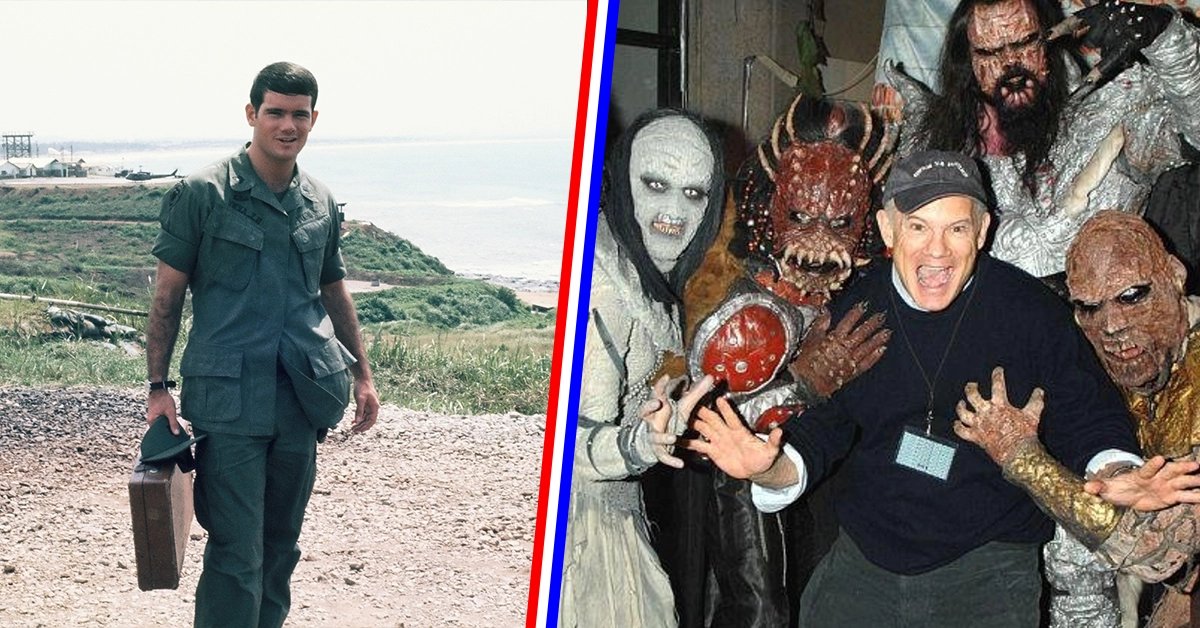
Vietnam vet Bill Roedy left the Army for cable TV—and helped win the Cold War
There aren’t many people who can say they once had nuclear missiles aimed at the same people they later recruited as an MTV audience. Bill R

How his father’s time in a Japanese POW camp influenced Bill Nye
Edwin “Ned” Nye didn’t want to become a lawyer. Seeing that he was already enrolled in law school, Nye—whose famous son simplified complex t

White House proposes all federal employees sign nondisclosure agreements
The Trump administration may require all federal employees to sign nondisclosure agreements in an effort to restrict leaks that are consider