How social connection can support Veteran suicide prevention after service

After military service, a sense of purpose can help Veterans in their next chapter
Suicide prevention can start with something as simple as helping a Veteran feel supported, connected and needed after the uniform comes off.
For many Veterans, transition isn’t only about new routines, a different job or a move. It can also be about identity. Military life can come with structure, shared purpose and a built-in community. Civilian life might feel less clear, more isolating or tougher to navigate at first. One of the many resources to help Veterans navigating these challenges is VA’s Don’t Wait. Reach Out. campaign.
If you’re a family member, supporter or fellow Veteran, what matters is helping create more connection, more conversation and more opportunity for a Veteran to build a meaningful civilian life.
How to help Veterans find new purpose
A Veteran might leave the military feeling proud of their service and still struggle to find their footing in civilian life. That’s a normal response to any major life change—let alone one as significant as leaving the military.
You can help by respecting that transition for what it is: a shift in relationships, routine and sense of self. Instead of pushing for a quick fix, make space for ongoing conversations. You might say, “You’ve been through a big change. How’s civilian life feeling these days?” Or “What feels like the hardest thing in your life right now?” Open questions like these invite honesty without pressure.
VA also offers transition-specific resources through Don’t Wait. Reach Out., including pages that connect Veterans to VA benefits, transition tools and stories from other Veterans who have been through similar experiences.
Building connection, not just staying busy
A packed schedule isn’t the same thing as belonging. One of the best ways to support a Veteran is helping them build real relationships in civilian life.
Maybe that looks like introducing them to people you know outside the military, inviting them to be part of your everyday plans or asking them to weigh in on decisions or help with projects. Social connection can be a lifeline in tough times, especially when someone feels isolated or uncertain where they belong.
Make the Connection can also help. This campaign shares stories from Veterans and their loved ones about transition, recovery and the challenges of civilian life.
Friends, neighbors, coworkers, partners, faith communities and families can all help create a sense of belonging. You don’t need military experience to be a good listener. You just need to be available, open-minded and compassionate. For another example of how conversation can make a difference, read this VA News story on having meaningful conversations and other ways to support the Veterans in your life.
VA can be a partner in this next chapter
The Veterans Crisis Line is available to any Veteran (and their friends and families), for any reason, at any time—it’s there for support before and during a crisis. Many Veterans call simply because they need someone to talk to—no crisis required.
The Veterans Crisis Line is available 24/7. When someone calls, chats or texts, they are connected to a real person who listens with care. Dial 988 then press 1, chat online at VeteransCrisisLine.net/Chat or text 838255. You don’t have to be enrolled in VA healthcare to reach us whenever you need someone to talk to.
Building a life after the military takes time. But with connection, purpose and the right support, Veterans can build a life that feels solid and meaningful.
Related Health stories
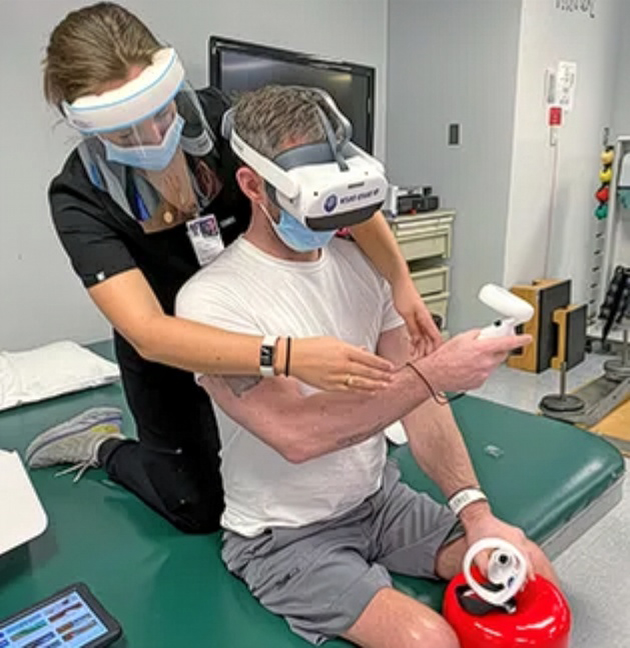
Virtual reality pain treatment expands for veterans
The Department of Veterans Affairs is expanding access to a U.S. Food and Drug Administration-authorized virtual reality (VR) therapy design

Live Whole Health #320: You deserve a break
Do you spend hours jumping between screens, messages and tasks during the day? Over time, this can make your mind tired and your body stiff.

First in VA to receive cutting-edge epilepsy treatment
A groundbreaking laser procedure offers a safer option for epilepsy treatment Back in 1980, when Robert Lindemann decided to enlist in the A