This National Guard unit fought alongside Marine Raiders in the Pacific
Ohio has never really been synonymous with “good,” even for some people who are from there. In fact, Gen Z and Gen Alpha turned “Ohio” into a colloquialism, a standalone adjective meant as an insult—both to the thing described and to the state itself.
But there are still plenty of good things the state has produced: LeBron James, “Superman” creators Jerry Siegel and Joe Shuster, zippers (maybe a sign to check yours), Blake Stilwell (We Are The Mighty’s editor in chief), and the NFL, just to name a few. But despite its poor reputation, Ohio natives are tenacious and full of grit.
While those who join the active-duty component get mixed in with all the other great people from across the nation, the Ohio National Guard embodies that very grit and tenacity. Throughout history, it has proven its ability to fight our nation’s battles and win. One major example comes from the 37th Infantry Division, which since was reorganized into the 37th Infantry Brigade Combat Team.
Ohio first raised its volunteer militia in the late 18th century and quickly became utilized to protect settlements from raids by British-backed Native tribes. Following the War of 1812, Ohio’s 1st Volunteer served under Gen. Zachary Taylor during the Mexican-American War, seeing action in Monterrey and Buena Vista. During the Civil War, Ohio soldiers defended Washington, D.C., from Confederate attacks.
In 1913, the 16th Division was formed, and the following year, it was called to federal service for World War I. At the onset, the division massively increased its strength and reorganized into the 37th Infantry Division, under the command of Gen. John Pershing.
In June 1918, the division deployed overseas and was among six American divisions that the Germans rated as the best for combat effectiveness. The division suffered more than 5,000 casualties during the war while serving valiantly during the Meuse-Argonne and St. Mihiel salient offensives.
World War II
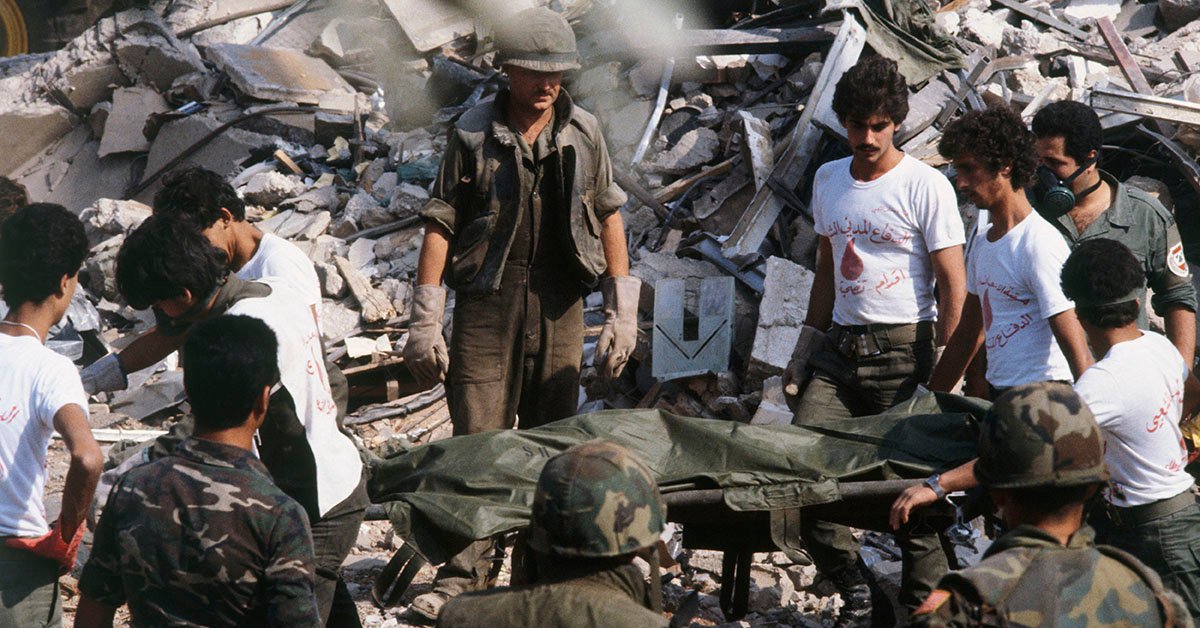
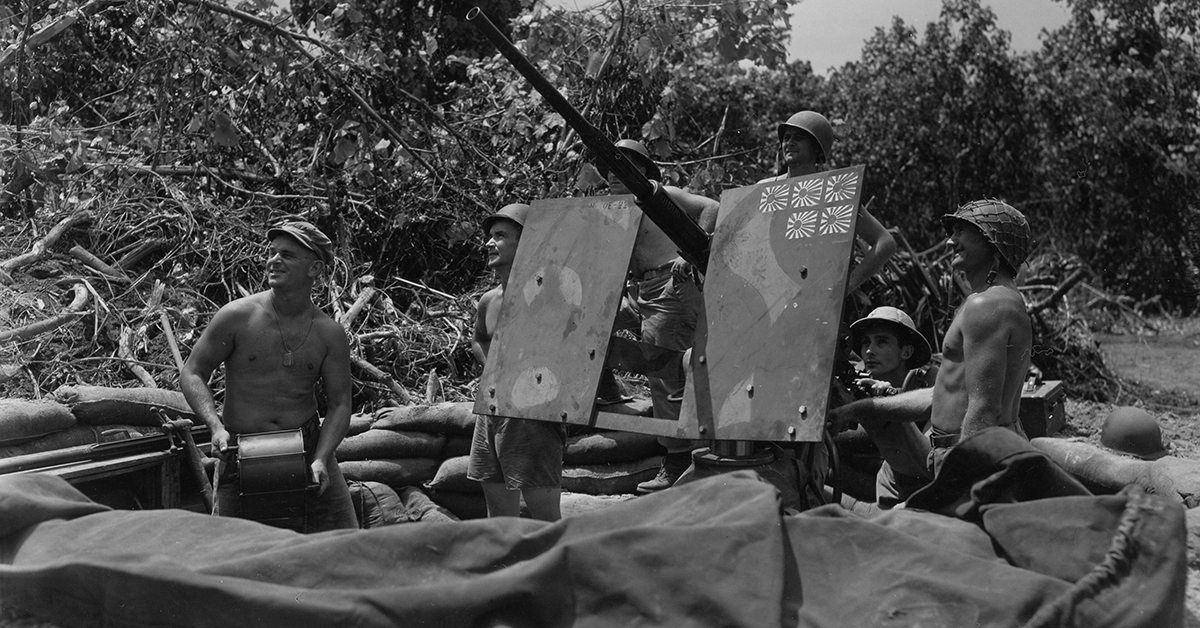
The Ohio National Guard took part in World War II from the very beginning. Company C of the 192nd Tank Battalion was in the Philippines when the Japanese attacked, mere days after the Pearl Harbor attacks. Despite their best efforts, they were captured and remained prisoners until the end of the war. In June 1942, the 37th Infantry Division arrived in Fiji to prepare for combat.
In July 1943, during the New Georgia Campaign, the 37th ID provided two battalions to land alongside Marine Raiders in the Kula Gulf. Their goal was to capture the Bairoko Village to cut off Japanese reinforcements from the north side of the island. However, when they finally arrived to take the village, they discovered the Japanese had bolstered their defenses since the initial landings. Leaders abandoned that plan until reinforcements arrived.
After New Georgia, the 37th ID served alongside the 3rd Marine Division during the Bougainville Campaign and as part of the Sixth Army during the Luzon Campaign to retake the Philippines. By the end of the war, they suffered just under 6,000 casualties, with more than 1,000 killed in action and slightly under 5,000 wounded. They served 592 days in combat.
For most of Vietnam, the National Guard was reserved for domestic use, but Ohio was one of the few states that deployed Army and Air National Guard units to serve in Southeast Asia during the war. Additionally, the Ohio National Guard helped quell a riot at the Ohio State Penitentiary in 1968, as well as reduce violence related to the truckers strike in 1970.
Shortly after that strike, the Ohio National Guard arrived on the campus of Kent State University to deal with anti-war protests. This led to one of the most infamous and tragic events on May 4, 1970, when Ohio National Guardsmen opened fire on protesters, killing four unarmed students and wounding nine others.
The 37th ID lives on through the 37th Infantry Brigade Combat Team. Those Guardsmen continued to serve with distinction throughout the Global War on Terror while maintaining their domestic mission. While soldiers from Ohio, Michigan, and South Carolina currently comprise the unit, the Buckeye brigade continues the legacy of those who fought before them and demonstrates what the National Guard is capable of.
Don’t Miss the Best of We Are The Mighty
• Summer blockbusters we’re already freaking out over • Why the National Guard is a great option for Marines • Mike Vining on Vietnam, Delta Force, and the sardines he never ate
This National Guard unit fought alongside Marine Raiders in the Pacific
World War II
The story of the only US soldier executed for desertion since the Civil War
Hollywood can bridge the divide between civilians and the military. It doesn’t.
A new veterans bill includes Major Richard Star Act but cuts benefits for 1.5 million to fund it
The last 6 Revolutionary War veterans survived long enough to be photographed