Tuskegee’s librarian: Dr. Sara Delaney brought healing through books

A visionary who redefined healing through literacy
At a time when hospitals focused primarily on physical treatment, Dr. Sara Marie Johnson Peterson Delaney believed healing also lived in the pages of a book.
For 34 years, Delaney served as chief librarian at the Veterans hospital in Tuskegee, Alabama, now part of the Department of Veterans Affairs. Her work transformed the hospital library into one of the most dynamic and therapeutic spaces in the VA system.
A vision rooted in literacy
Before arriving in Alabama in 1924, Delaney worked at the New York Public Library, where she learned Braille and Moonprint (a system of embossed reading) while serving visually impaired patrons. She carried that expertise with her to Tuskegee, convinced that reading was not simply recreational, it was restorative.
She once wrote, “The fact is well established that there is therapeutic value in books.” Decades before “bibliotherapy” became a formalized practice, Delaney was already implementing it.
More than a library
Under her leadership, the Tuskegee hospital library expanded far beyond shelves of books. Delaney organized:
A Disabled Veterans’ Literary Society
A Bibliotherapy Unit
A Debate Club and Press Club
Nature study, history and hobby groups
Philatelic and numismatic clubs
These programs fostered intellectual engagement, social connection and renewed confidence among Veterans, many of whom were navigating long-term hospitalization in a segregated South.
Delaney was also intentional about representation. She ensured that materials about Black history and culture were available, recognizing how meaningful it was for Black Veterans to see themselves reflected in literature.
Teaching independence
In 1934, she established a department dedicated to Veterans who were blind or visually impaired. Delaney personally taught Braille to more than 600 patients. Many later became instructors themselves, multiplying her impact far beyond the hospital walls.
National recognition
Her work drew national attention, including mention by Eleanor Roosevelt in her newspaper columns. Letters from former patients testified to Delaney’s profound influence—not only on literacy, but on dignity and human connection.
A lasting legacy
At Tuskegee, Delaney proved that libraries are not peripheral to care, they are central to it. Through books, discussion and community, she helped Veterans rediscover purpose and possibility that healing is not confined to medicine. Sometimes, it begins with a story.
Learn more about the history of Veteran care, and the women whose compassion, leadership and advocacy shaped it at every level.
Related Legacy stories
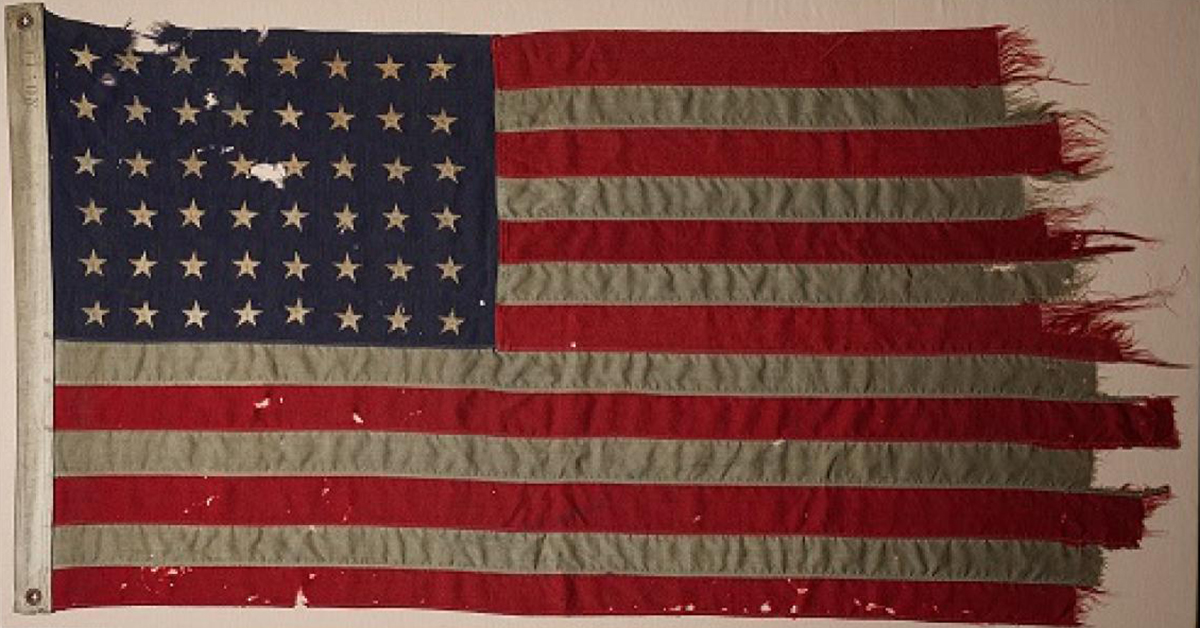
This American flag survived D-Day, then was returned to the US 75 years later
When Howard Vander Beek died in 2014 at the age of 97, he left behind a distinct reminder of his World War II service. Vander Beek, a lieute
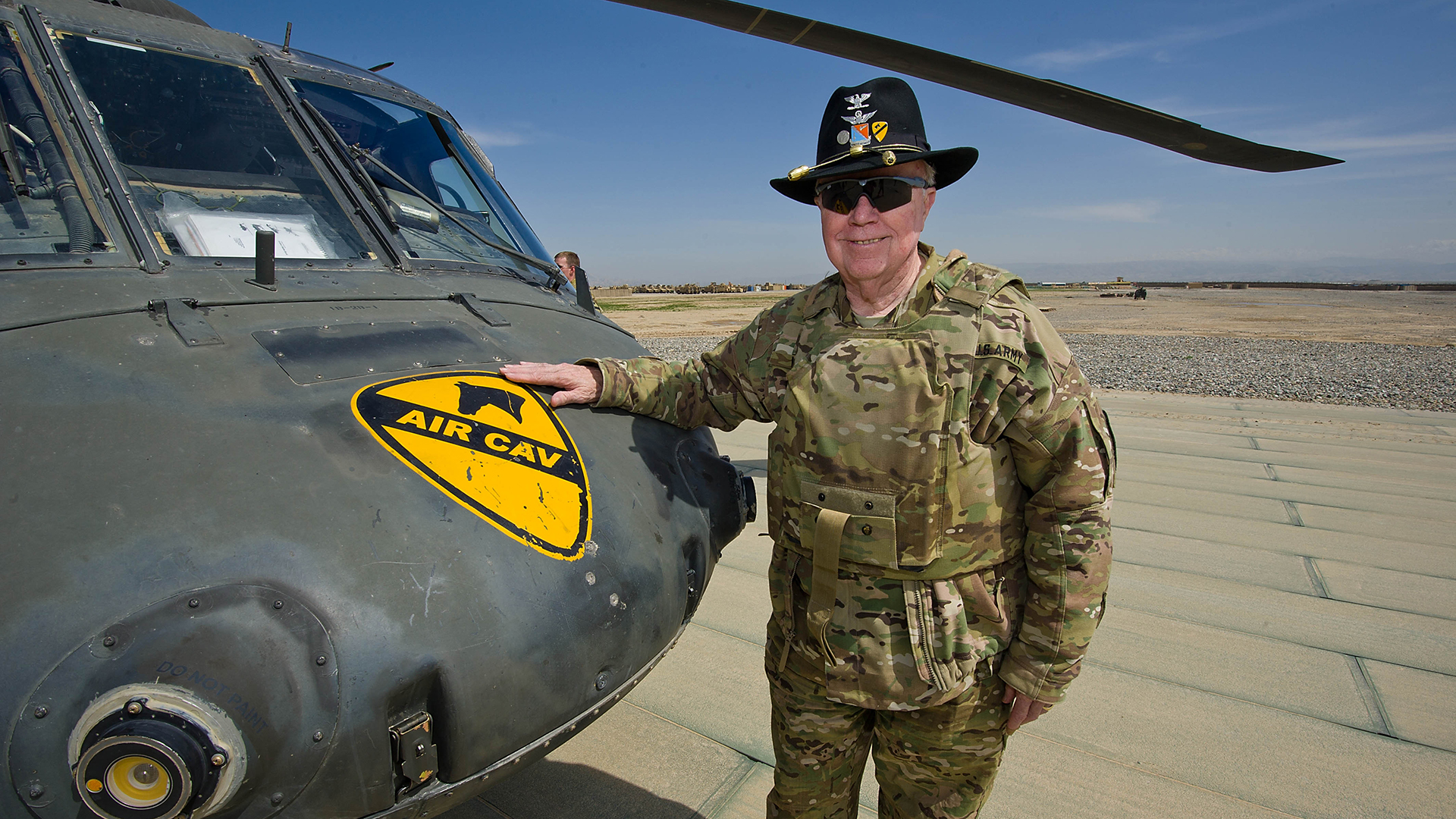
Medal of Honor recipient and legendary Vietnam War helicopter pilot ‘Old Snake’ has died
Retired Army Col. Bruce Perry Crandall, the legendary helicopter pilot who was awarded the U.S. military’s highest decoration for valor for

Air Force crew honors WWII-era Flying Tigers with A-10 paint job
It started as a routine transfer. Following an asset transfer from Korea, maintainers at Moody Air Force Base, Georgia, accepted and process