A Veteran’s second chance: Lifesaving heart care

Lifesaving, coordinated VA heart care saved an Army Veteran’s life after a critical arterial blockage was discovered
For years, Army Veteran Richard Boda brushed off the growing fatigue, shortness of breath and aching in his arms. He figured it was simply part of getting older, and like many Veterans, he wasn’t eager to visit a doctor. It wasn’t until his wife encouraged him to seek medical attention that he finally agreed. That decision changed, and likely saved, his life.
The importance of seeking care early and the life‑changing impact of VA’s specialized cardiology services
“I first saw Richard in December 2025, and he was having pretty classic angina, so I referred him for a heart catheterization at the Ann Arbor VA Medical Center (AAVA),” said Dr. Claire Duvernoy, CARDIO-VET Network cardiologist at the Aleda E. Lutz VA Medical Center in Saginaw, Michigan. “The results confirmed severe three-vessel coronary artery disease.”
Dr. Duvernoy consulted with Dr. Barry Deatrick, cardiac surgeon, from AAVA who reviewed Boda’s history. Together, they evaluated every possible option and mapped out the safest surgical approach, and he was immediately set up for a Coronary Artery Bypass Graft surgery.
Every day after surgery, Boda’s doctors stopped by to check on him, explain what they had done, and walk him through each stage of his recovery. Their steady communication and genuine compassion helped calm the fear he felt early on. “It turned out to be a great experience, even though I was scared at first,” Boda explained. “The doctors and medical staff took such good care of me. I couldn’t ask for anything more.”
The support continued even after he returned home. “They checked in the very day I was discharged,” he said. “I can’t speak highly enough about them. Their care was 100% outstanding.”
Significant progress
Today, Boda works hard on his recovery. He participates in physical therapy, completes weekly telehealth check‑ins, tracks his meals, and exercises and performs daily cardiac rehabilitation routines. He jokes about not liking hospitals, but he takes his health much more seriously now. “I want to be here for my grandbabies,” he said.
He has made significant progress. The shortness of breath has eased, his aching arms have improved and he reports having more energy. Boda remains committed to “stayin’ the course” so he can eventually return to his work as a commercial fisherman. His recovery may take months, or even up to a year, but he is determined.
“I was always healthy. They said my lungs looked like a 16‑year‑old’s, but my heart was not good,” he said. “I’m just grateful they caught it. I’m grateful for what I have right now.”
An important message for other Veterans, especially those in rural areas. CARDIO‑VET is an enterprise‑wide initiative in partnership with the VA Office of Rural Health, and it’s focused on providing high‑quality cardiology care to rural Veterans by leveraging the hub & spoke model.
Visit VA Rural Health to learn more.
Related Health stories
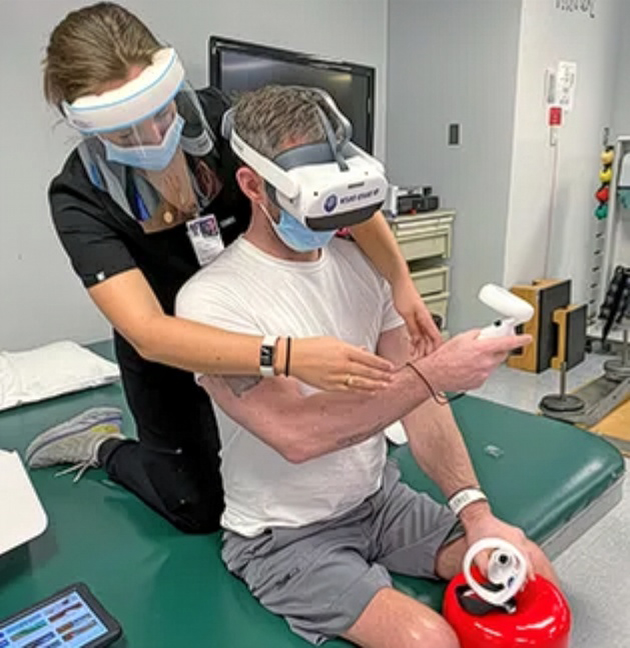
Virtual reality pain treatment expands for veterans
The Department of Veterans Affairs is expanding access to a U.S. Food and Drug Administration-authorized virtual reality (VR) therapy design

Live Whole Health #320: You deserve a break
Do you spend hours jumping between screens, messages and tasks during the day? Over time, this can make your mind tired and your body stiff.

First in VA to receive cutting-edge epilepsy treatment
A groundbreaking laser procedure offers a safer option for epilepsy treatment Back in 1980, when Robert Lindemann decided to enlist in the A