Operation Foster gives military pet owners peace of mind during deployment, training
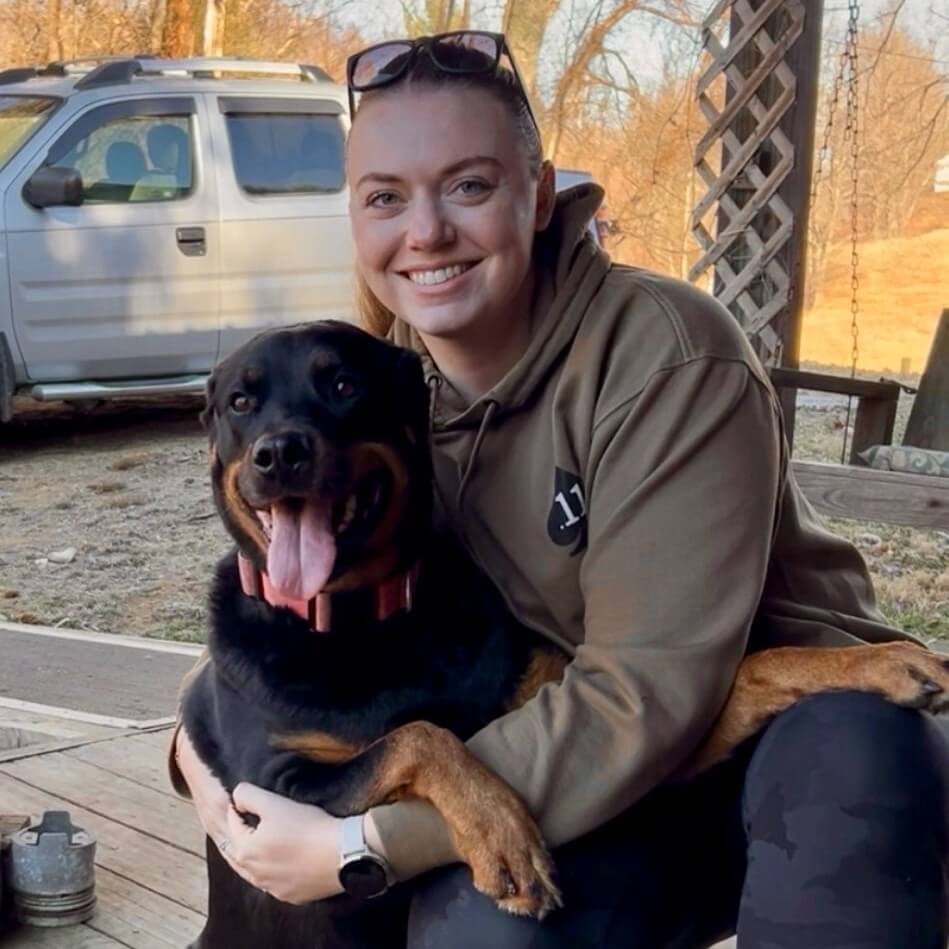
When Buzz Miller witnessed a heart-rending goodbye outside a shelter between a deploying service member and his pet, he was inspired to action, founding PACT for Animals in 2011.
“We fill that heartbreaking gap that doesn’t need to be,” said Gisele Fetterman, the director of strategic partnerships and development at PACT for Animals. “A very large part of shelter surrenders are because owners have a temporary crisis, nothing permanent, and our founder [Miller] was like, ‘We can fix this.’”
With PACT’s Operation Foster program, safe and caring foster families temporarily care for dogs, cats, reptiles and other creatures while their military owners are deployed, training or in tough circumstances like medical crises. Since its beginning, more than 3,000 people have served as foster parents to a variety of critters — even a horse — in all 50 states.
Army Sgt. Caleb VanLoan’s cats are two of those critters. After PCSing and during house-hunting, the liaison officer for a missile defense brigade at Vandenberg SFB had no place for his felines in temporary base housing. A friend told him about Operation Foster, which connected him with a nearby foster mom named Sandra. She happily watched Nuggets and Cookie for a month until VanLoan found housing.
“I feel very grateful for all the help they provided,” said VanLoan, who received kitty photos and updates from Sandra. “It would have been a very difficult situation if not for them, trying to find my pets a place to stay. Operation Foster allowed my cats to be well taken care of while I was able to focus on house-hunting, my daughter and my job.”
Support and peace of mind
Operation Foster has even supported veterans during crisis. One suicidal veteran explained his predicament to Fetterman: “If I get help, I will have to surrender my dog, and then I won’t have him to come home to.”
His dog was the only reason he was still alive, he told her on the phone — but if he went to any type of long-term treatment facility, who would care for his best friend? A shelter seemed the only option.
But Fetterman was able to offer Operation Foster as a solution. The program was designed to support service members who need peace of mind for their animals’ continued care.
“We realize the importance of that human-animal bond,” she said. “And there are just so many beautiful stories, which I get to be part of that every day — it’s such a small way to say thank you to someone who’s serving our country.”
‘Good for the soul’
The service comes at no charge to the service member or foster family, though the owners are still in charge of providing vet care, food and other supplies. The experience is usually so positive that both parties often stay in touch long after the original foster period. Fetterman can even recall one foster parent sending the deployed soldier photos of his dog with Santa Claus at the mall.
Given the increased current global presence of U.S. military members, Operation Foster is seeking more foster families and hopes to be included in every base welcome kit as a potential resource.
“This work is good for the soul,” Fetterman said. “To be able to give our military families that peace of mind, to keep that animal lifeline loved, belly-rubbed and fed — that’s just really special.”
For more information on Operation Foster, including how to apply for or become a foster family, see pactforanimals.org or on PACT for Animal’s social media channels.
Related Service stories

Yes, I Served in Iraq. But What if People Mistake Me for a Hero?
Illustration by Kim Vo The Department of Motor Vehicles was a good place to lose your identity, not find it, especially 30 minutes before cl
Officers only: New report lays out what a ‘US Cyber Force’ could look like
A new report argues that an independent Cyber Force should be staffed by only commissioned officers and warrant officers to better develop t
Navy researchers find wreck of World War II submarine that vanished 82 years ago
Nearly 82 years to the day after the USS Herring went missing during World War II, the Navy said it had found the wreck of a submarine that