She drove an ambulance during the Blitz then helped win D-Day
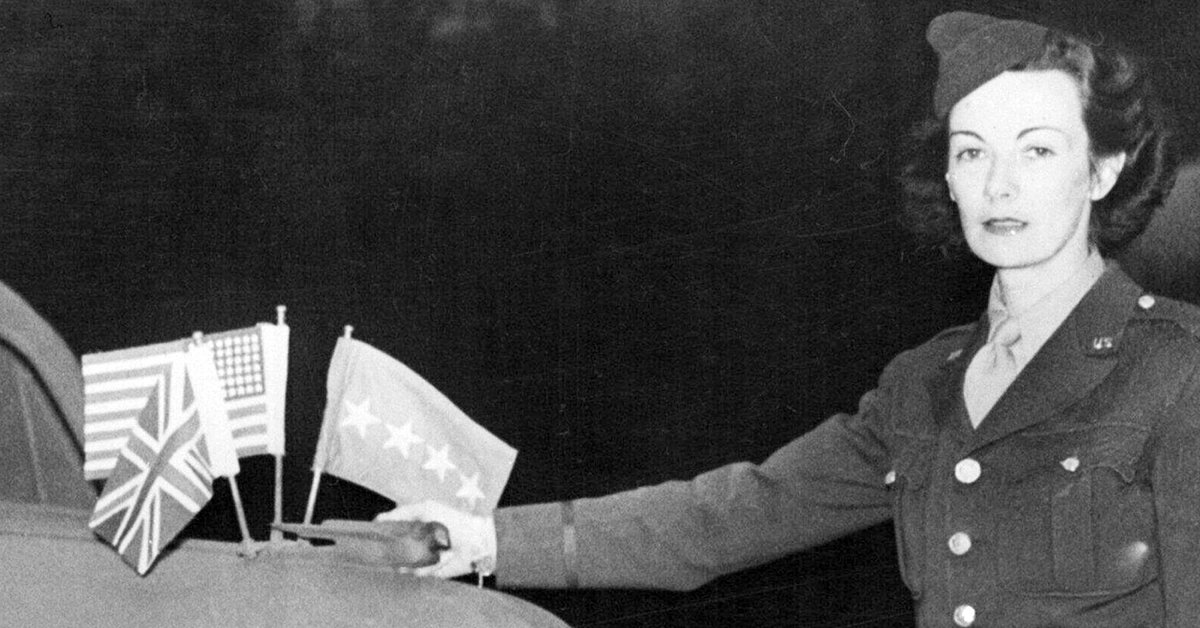
Before World War II, Kathleen McCarthy Summersby (Kay for short) was an Irish fashion model. Once the Germans started dropping bombs on Britain, she stepped up and showed her grit, driving an ambulance during the Blitz to pick up dead bodies and deliver them to the morgue. Later, she became Gen. Dwight D. Eisenhower’s right hand man, helping to make D-Day a success.
She was 33 years old and a civilian volunteer with the British Motor Transport Corps when she was assigned to be Eisenhower’s driver in London. Clearly she made an impression. How could she not? When bombs fell, she kept her cool—and her lipstick—in her gas mask.
Ike called her “stubborn as an Army mule” and she soon began to sit in on top secret meetings, formal dinners with Winston Churchill and President Franklin D. Roosevelt, and morale-boosting events with the troops.
Eisenhower secured Kay a lieutenant’s commission in the WAC (the Women’s Army Corps). Before long, she received the rank of captain, as well as the respect and trust of the Supreme Allied Commander.
Then came D-Day.
Let’s do a quick re-cap, shall we?
D-Day was a monumental military campaign.
We are talking an estimated 130,000 to 160,000 troops and 17,000 amphibious vehicles in the first 48 hours alone with over a million troops by July, 1,900,000 tons of supplies via Transatlantic shipments, and 23,400 airborne troops from 822 aircraft and gliders, not to mention a complex deception campaign designed to reinforce the German belief that the Allied landings would be in Pas-de-Calais instead of Normandy.
This was an all-eggs-in-one-massive-basket military operation. Cross-channel planning began years in advance before President Franklin D. Roosevelt finally appointed Ike the commander of Operation Overlord in December 1943.
It was the largest amphibious assault in history and a crusade that would allow the Allies to gain a foothold in continental Europe and begin the drive into Germany that would finally win the war against Hitler and his Nazi regime.
And it all nearly fell apart in the final hours due to the unpredictable weather of Northern Europe.
In the 72-hours leading up to D-Day, Eisenhower began to receive contradictory weather reports from his lead meteorologists. American meteorologist Col. Irving P. Krick, using analog weather prediction, insisted that the weather would be clear. Scottish Met Office meteorologist Group Capt. James Stagg, however, insisted that all signs pointed to a brewing storm that would capsize all amphibious vessels and blind all airframes.
The 2026 film “Pressure” depicts these events as well as the immense decision Ike had to make: go on June 5, 1944 as planned and risk that the storm prediction was true… or lose the window of opportunity and, most likely, the element of surprise—and maybe even the war.
Imagine all the highest-ranking officers of the Allied forces in that room making those decisions. Men under immense stress. Egos flaring. Costs unbelievably high. And right there in the middle… Kay Summersby.
History gives us conflicting reports of her contributions. Even her own autobiographies suggest two different stories. Ike was her boss… and Ike was her romantic affair, marked by the danger of war and stolen kisses. Ike’s political opponents inflamed rumors; Eisenhower was, after all, a married man.
But at the end of the day, it doesn’t really matter if there was a romantic bond between them. In fact, it would be understandable, because what is beyond doubt is that he trusted Kay. She was smart, brave, organized, competent, and unflinching during the worst war the world had ever seen. As his driver and secretary, she ensured he got where he needed to go with what he needed to accomplish his mission.
In “Pressure,” Kerry Condon (“The Banshees of Inisherin”) portrays Kay with a calming presence in the room of shouting men. I had the chance to speak with Condon, who described Kay as “the gatekeeper” of Ike.
“That was fascinating to me, that she had gotten so close to somebody who had such power and control over the situation,” she shared.
Wars cannot be won without that kind of support, and yet it is easy to dismiss their contributions. Kay Summersby became a U.S. citizen after the war, but was largely cast aside by Eisenhower, by men, and by the country she served.
Like so many women in history, she is defined through a patriarchal role: a pretty thing who may have scandalously connected deeply with the Supreme Commander of the Allied Expeditionary Force. But I think if someone had taken the time to record her story, we would find there is so much more to the woman who drove in darkness as bodies piled up and Luftwaffe bombs fell and used her gas mask as a cheeky purse for her f*** you, Hitler red lip.
Don’t Miss the Best of We Are The Mighty
• 6 war movie legends who died in 2025 • The 10 most lethal special operations units from around the world • ‘In Waves and War’ doc explores psychedelic healing among Navy SEALS
She drove an ambulance during the Blitz then helped win D-Day
‘Top Gun: Maverick’ actor and Vietnam veteran James Handy killed at 81
This is what it’s like to play a petty officer on ‘NCIS’
‘I’ll always regret it if I don’t’: Army veteran trades filmmaking for music in his 40s
An Afghan SOF veteran explores America and the universal bonds of special operators in ‘Noori’
Related Legacy stories
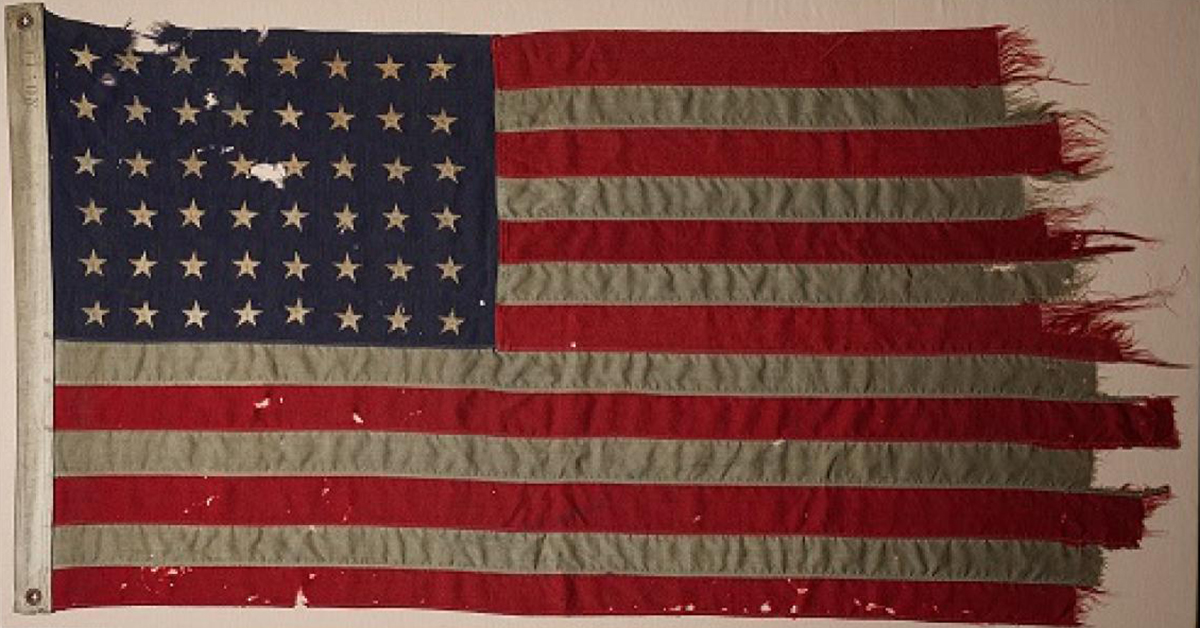
This American flag survived D-Day, then was returned to the US 75 years later
When Howard Vander Beek died in 2014 at the age of 97, he left behind a distinct reminder of his World War II service. Vander Beek, a lieute
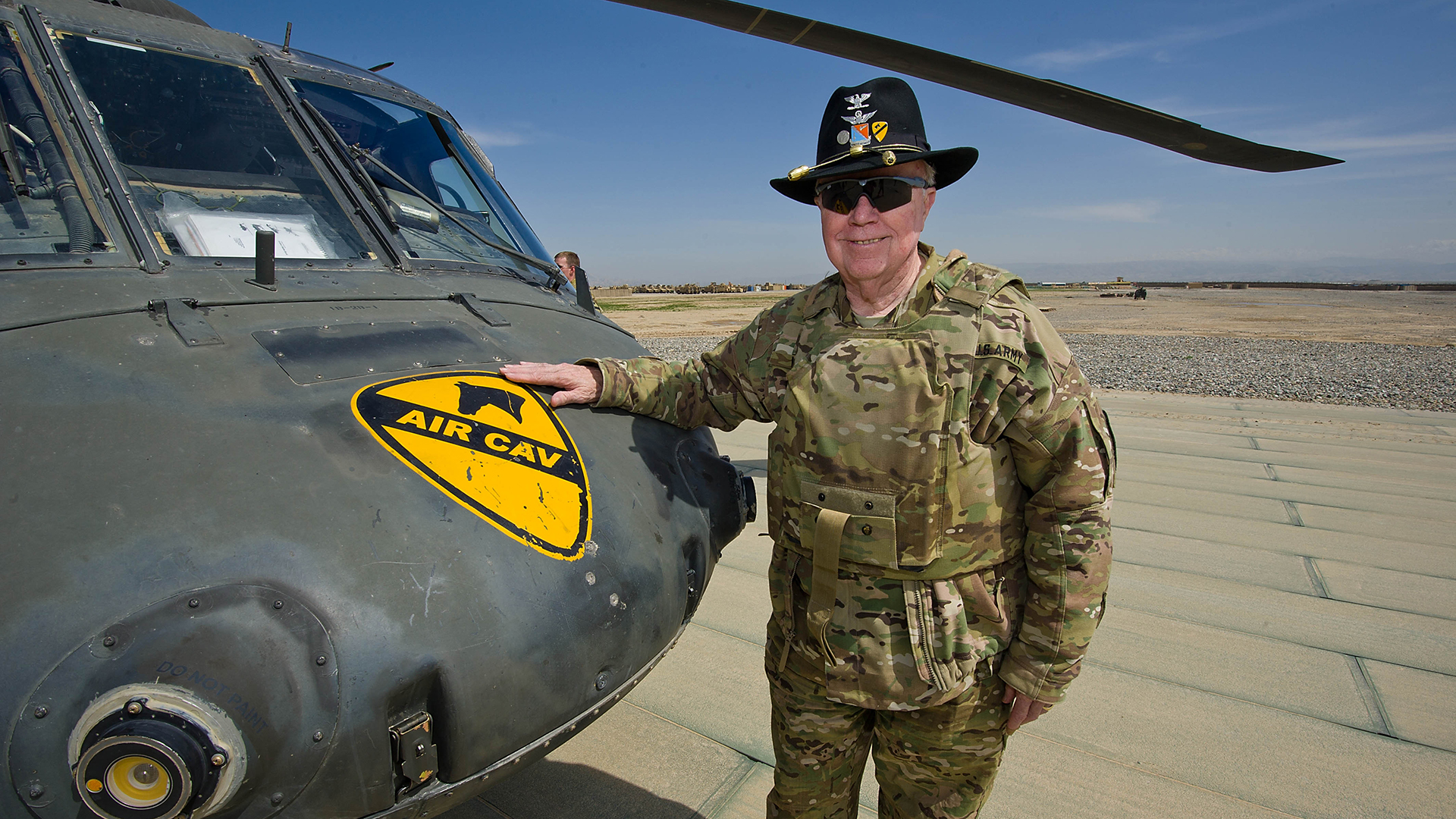
Medal of Honor recipient and legendary Vietnam War helicopter pilot ‘Old Snake’ has died
Retired Army Col. Bruce Perry Crandall, the legendary helicopter pilot who was awarded the U.S. military’s highest decoration for valor for
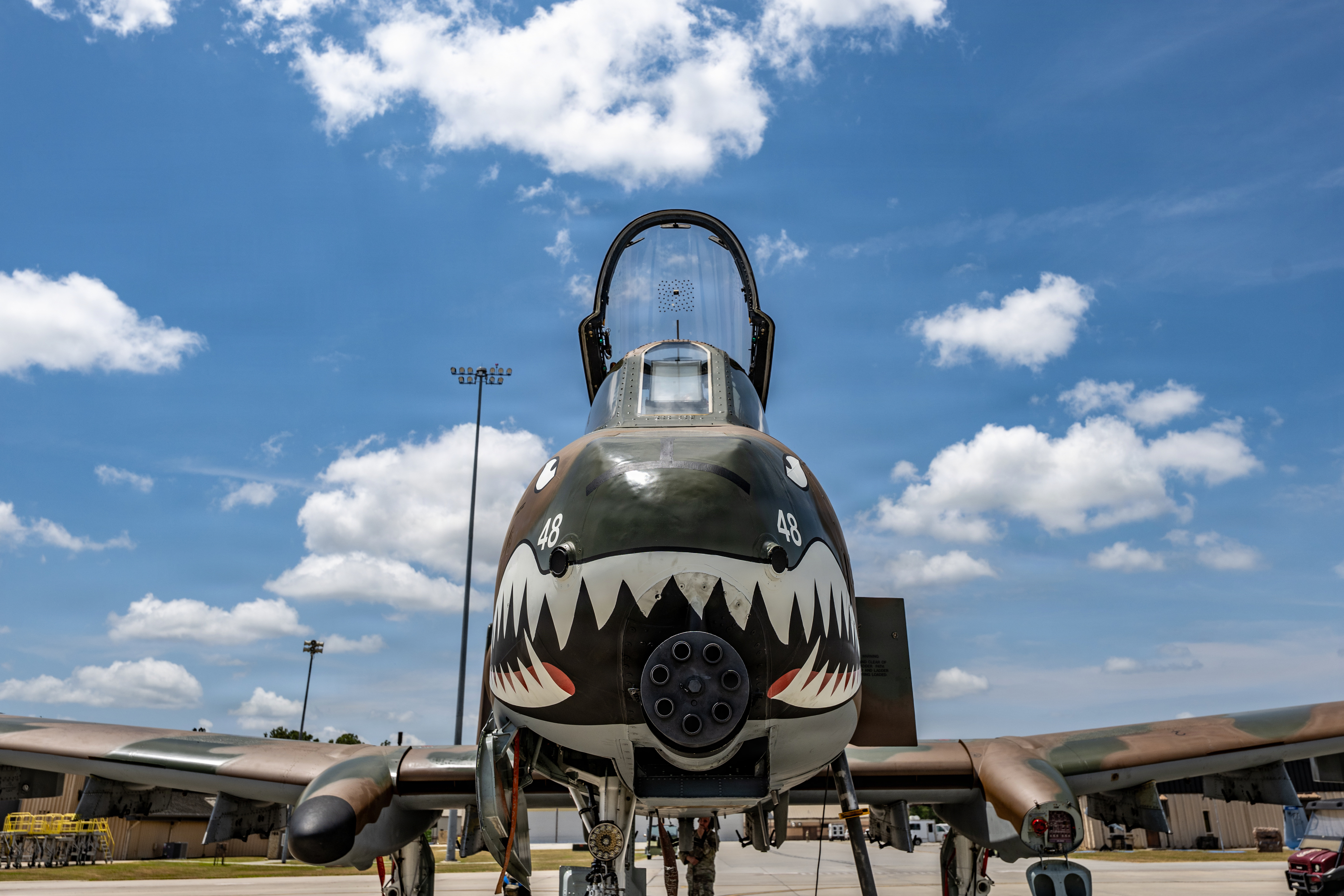
Air Force crew honors WWII-era Flying Tigers with A-10 paint job
It started as a routine transfer. Following an asset transfer from Korea, maintainers at Moody Air Force Base, Georgia, accepted and process