Start a suicide prevention talk to help save a Veteran’s life

Speaking up, whether you’re asking for help or offering it, can be lifesaving
Talking about suicide can be uncomfortable. But speaking up about how you’re feeling, or the struggles you’re facing, can make a real difference for you or a Veteran in your life.
It’s normal to worry about saying the wrong thing. Sometimes people hold back because they’re worried they’ll make things worse, or they feel embarrassed. But staying silent creates distance when connection is exactly what someone needs when they’re going through a challenging time.
Whether you’re going through a tough time or you notice someone else is, here’s how to start a conversation that could save a life.
You don’t need the perfect words to start a conversation
If something feels off, it’s OK to say that.
If you’re struggling, you might say this to someone you trust: “I haven’t been feeling like myself lately. Can I tell you about what’s going on?”
Or, if you notice that a Veteran in your life seems like they need some help, you could say, “I just want you to know I’m here for you if you need someone to talk to. It’s totally okay if you aren’t feeling like yourself lately. I want to listen.”
You don’t have to get it exactly right. What matters is showing up, speaking up and being willing to hear what someone has to say.
VA’s Crisis Conversation Handout also offers simple, everyday language you can use and it walks you through what to say, how to listen and what to do next. You can also read more about how to have the conversation, and exactly what to say.
Remember: Starting the conversation doesn’t make things worse
It’s a common myth that talking about suicide or thoughts of suicide can put the idea in their head or make things worse. But it won’t.
Asking directly (“Are you thinking about suicide?”) can make it easier for someone to open up. It shows them you’re not afraid of the conversation and you’re there to listen.
If you’re feeling this way yourself, being honest with someone you care about can take some of the heavy feelings off your shoulders. Telling someone else what you’re going through can open the door for them to provide support. They may have been uncertain about how to talk to you about it, what support to offer, or completely unaware of your struggles.
VA S.A.V.E. Training can also help people recognize warning signs of a suicide crisis, explain more about how to start a conversation, and show you how to act with care and compassion if a Veteran you know is having thoughts of suicide. It’s free, and you can take it either online or in person without being enrolled in VA services.
Support is always available, not just in a crisis
You don’t have to wait until things feel overwhelming, or seem overwhelming for someone else, to have a conversation.
The Veterans Crisis Line is available to any Veteran (and their friends and families), for any reason, at any time. Plenty of Veterans use it just to talk to someone when they need some extra support in challenging times.
The Veterans Crisis Line is available 24/7. When someone calls, chats or texts, they are connected with a real person who listens with care. Dial 988 then Press 1, chat online at VeteransCrisisLine.net/Chat, or text 838255. You don’t have to be enrolled in VA health care to reach us whenever you need someone to talk to.
There’s no perfect script for tough moments, but what matters is having the conversation at all instead of staying silent. VA is here to help, and together, we can protect Veterans and the people they care about, no matter what’s going on.
Related Health stories
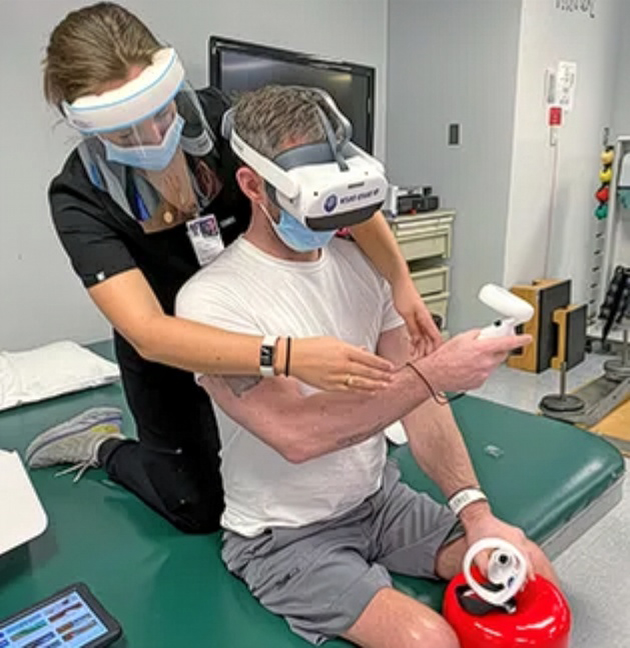
Virtual reality pain treatment expands for veterans
The Department of Veterans Affairs is expanding access to a U.S. Food and Drug Administration-authorized virtual reality (VR) therapy design

Live Whole Health #320: You deserve a break
Do you spend hours jumping between screens, messages and tasks during the day? Over time, this can make your mind tired and your body stiff.

First in VA to receive cutting-edge epilepsy treatment
A groundbreaking laser procedure offers a safer option for epilepsy treatment Back in 1980, when Robert Lindemann decided to enlist in the A